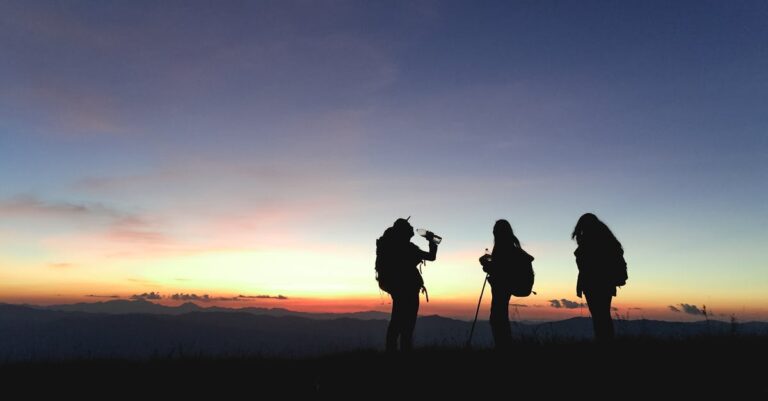
Quitter l’effervescence parisienne pour un périple à vélo vers Chartres, c’est s’offrir une parenthèse de liberté où chaque coup de pédale débloque le coffre au trésor du patrimoine français. Entre paysages variés, sites historiques majeurs et nature préservée, cet itinéraire séduit les amateurs de tourisme & vélo en quête d’authenticité et d’évasion. Plus qu’une simple balade de 100 kilomètres environ, le trajet emprunte la Véloscénie, un parcours emblématique qui relie la capitale à la cathédrale de Chartres en passant par des joyaux architecturaux et naturels. Déjà plébiscité par les passionnés de cycloculture, ce parcours s’impose aussi comme un enjeu majeur pour promouvoir un tourisme responsable, offrant une alternative écoresponsable à la voiture tout en valorisant les richesses régionales. Véritable corridor entre urbanisme et campagne, cette route révèle autant les contrastes que les continuités qui façonnent l’identité culturelle francilienne et eurélienne.
Au départ de Paris, on découvre un tissu urbain dense puis, en moins de trente kilomètres, l’environnement change radicalement. On traverse la vallée de la Bièvre, un espace chargé d’histoire industrielle et bucolique, avant d’entrer dans le Parc naturel régional de la Haute Vallée de Chevreuse. Ce fragile écrin recèle des châteaux, des abbayes, et des forêts, souvent méconnus du grand public. L’itinéraire s’aventure sur des voies dédiées, invitant les cyclistes équipés, que ce soit d’une Bianchi ou d’un vélo Decathlon, à une aventure fluide et sécurisée. Enfin, l’arrivée à Chartres couronne ce voyage sportif d’un chef-d’œuvre gothique reconnu mondialement, la cathédrale Notre-Dame de Chartres, classée au patrimoine mondial de l’UNESCO. Ce voyage incarne un véritable appel à redécouvrir la richesse culturelle française à vélo, une expérience inspirante déjà popularisée par L’Atelier du Voyage, VéloLoisirs et de nombreux acteurs de Voyages à Vélo.
Découverte des trésors culturels sur l’itinéraire Paris-Chartres à vélo
Le parcours Paris-Chartres est un itinéraire majeur intégrant plusieurs sites culturels d’exception, entre patrimoine historique et nature préservée. La richesse du trajet réside dans la diversité des haltes, qui permettent de basculer aisément d’une époque à une autre et de jongler entre histoire urbaine et charme rural.
Au départ, prendre le temps d’admirer Notre-Dame de Paris est indispensable. Ce monument gothique, avec ses vitraux d’une finesse inégalée, offre déjà une introduction à la culture française. Le Pont Neuf, allure monumentale, et l’Hôtel de Ville du XVIe siècle sont également des étapes urbaines incontournables qui illustrent l’évolution architecturale de la capitale.
Peu après, le trajet longe la Seine, offrant des panoramas typiquement parisiens, où la Tour Eiffel scintille au loin. Un arrêt à la Sainte-Chapelle sur l’île de la Cité s’impose : ses vitraux du XIIIe siècle forment un kaléidoscope coloré qui fascine tout voyageur. Suivant la vallée de la Bièvre, la nature s’immisce doucement tandis que les vestiges industriels, comme les anciens moulins et fabriques, racontent le passé ouvrier de cette région.
En atteignant la vallée de Chevreuse, l’ambiance devient plus champêtre. Le château de Breteuil, joyau du XVIIe siècle, et l’abbaye des Vaux-de-Cernay, havre de paix cistercien, sont des haltes culturelles qui enrichissent le parcours d’une dimension spirituelle et aristocratique. L’Espace Rambouillet, quant à lui, introduit une immersion dans la faune locale, où l’observation des cerfs et rapaces devient un spectacle naturel d’exception.
Enfin, Chartres avec sa cathédrale gothique, ses vitraux légendaires et son centre-ville aux maisons à colombages, ferme ce circuit sur une apothéose culturelle. La ville propose également une gastronomie locale unique, amplifiant la multidimension de ce voyage.
- 🛤️ Sites inscrits au patrimoine UNESCO : Notre-Dame de Paris, cathédrale de Chartres
- 🏰 Châteaux emblématiques : Breteuil, la Madeleine
- 🌿 Parc naturel : Haute Vallée de Chevreuse
- 🖼️ Musées incontournables : musée de la Photographie à Bièvres
- 🚲 Voies cyclables sécurisées et labellisées Véloscénie
| Étape | Distance approximative (km) | Points culturels majeurs | Spécificités |
|---|---|---|---|
| Paris (départ) | 0 | Notre-Dame, Pont Neuf, Sainte-Chapelle | Site urbain historique, architecture gothique |
| Vallée de la Bièvre | 15 | Moulins, fabriques, musée de la Photographie | Patrimoine industriel, ambiance rurale |
| Vallée de Chevreuse | 45 | Château de Breteuil, abbaye des Vaux-de-Cernay | Patrimoine aristocratique et spirituel |
| Rambouillet | 65 | Espace Rambouillet | Faune sauvage, parc animalier |
| Chartres (arrivée) | 90 | Cathédrale, centre historique | Patrimoine gothique, culture locale forte |


Les conditions techniques et logistiques d’un voyage à vélo entre Paris et Chartres
Prendre la route entre Paris et Chartres à vélo ne s’improvise pas. Cet itinéraire, proposé notamment par les acteurs du tourisme & vélo tels que VéloLoisirs et L’Atelier du Voyage, requiert une préparation rigoureuse tant sur le plan technique que logistique. Un vrai casse-tête pour ceux qui ne maîtrisent pas les spécificités du parcours, mais un défi stimulant pour les amateurs avertis.
Le parcours s’étend sur une distance d’environ 90 à 105 kilomètres selon les variantes empruntées. La Véloscénie offre des tronçons aménagés, majoritairement plats ou légèrement vallonnés, adaptés à différents profils de cyclistes. Il est conseillé de privilégier un vélo polyvalent, par exemple un modèle Bianchi ou un vélo trekking disponible chez Decathlon, équipé de sacoches robustes pour transporter les indispensables.
- 🔧 Vérification du matériel : freinage, pneu, transmission
- 🧰 Kit de réparation pour crevaison et autres incidents
- 🎒 Sacoches adaptées au voyage à la journée ou itinérant
- ⛑️ Casque et équipement de protection conformes
- 📱 Tracé GPS téléchargé depuis des sites spécialisés comme Outdooractive ou la Véloscénie
Quant à la logistique, prévoir des pauses régulières pour se reposer, s’hydrater et nourrir le corps est essentiel. L’itinéraire croise plusieurs villages équipés en points d’eau potable et commerces locaux, ce qui facilite les ravitaillements. L’obtention d’un hébergement, que ce soit en chambre d’hôte ou hôtel, doit être anticipée à l’avance, surtout en période touristique.
| Aspect | Recommandation | Ressources / références |
|---|---|---|
| Vélo adapté | Polyvalent, Trekking ou route confort | Bianchi, Decathlon |
| Equipement | Casque, gants, sacoche, kit réparation | L’Atelier du Voyage, VéloLoisirs |
| Navigation | Utiliser GPS + cartes papier | Dolce Via Paris-Chartres |
| Hébergement | Réserver à l’avance | Les Bicycleurs – hébergements vélo |

Zoom sur la biodiversité et les paysages rencontrés lors du trajet vélo Paris-Chartres
Ce voyage à vélo entre Paris et Chartres permet une immersion dans une biodiversité surprenante, que l’on découvre au fil des différents écosystèmes traversés. La proximité de la capitale rend accessible un accès à une faune et une flore riches, à condition de connaître les bonnes pratiques pour respecter ces écosystèmes fragiles. La vallée de la Bièvre ouvre la porte à des espaces semi-naturels, avec sa végétation variée qui comprend ormes, saules et des prunelliers. Au fur et à mesure que le cycliste s’enfonce vers la vallée de Chevreuse, la flore se densifie tandis que la faune locale, des petits mammifères aux oiseaux, devient plus visible.
Un des sites privilégiés pour l’observation de la faune sauvage est l’Espace Rambouillet. Ce parc animalier offre un habitat sécurisé pour cerfs, sangliers, biches et rapaces, et constitue un enjeu majeur pour la conservation dans la région. Pour sécuriser vos appareils photo et profiter pleinement de la visite, il est conseillé de privilégier les alternatives aux flash trop intrusifs qui pourraient perturber les animaux.
- 🌳 Observations essentielles : chênes, bouleaux, hêtres
- 🦌 Faune à repérer : cerfs, biches, sangliers, rapaces
- 📸 Conseils photo : éviter le flash, rester discret
- ♻️ Rappel important : ne pas quitter les sentiers balisés
- 🌿 Éducation environnementale : panneaux explicatifs sur la faune locale
| Zone | Type d’habitat | Principales espèces | Recommandations pour visiteurs |
|---|---|---|---|
| Vallée de la Bièvre | Rivière et zones boisées | Chênes, saules, hérons | Respect des zones sensibles, ne pas déranger |
| Haute Vallée de Chevreuse | Forêts denses, prairies | Hêtres, cerfs, rapaces | Suivre les sentiers, éviter les feux |
| Espace Rambouillet | Parc animalier en forêt | Sangliers, biches, rapaces | Ne pas nourrir les animaux, rester calme |

Vous avez un projet spécifique ?
Kevin Grillot accompagne entrepreneurs et PME en SEO, webmarketing et stratégie digitale. Bénéficiez d'un audit ou d'un accompagnement sur-mesure.
Découvrez les trésors gastronomiques et artisanaux entre Paris et Chartres
Ce trajet à vélo est aussi une aventure sensorielle qui sollicite les papilles et le savoir-faire local. La tradition culinaire des territoires traversés reflète la diversité et la richesse culturelle de la région. Quitter Paris, c’est entrer dans une zone où les spécialités artisanales et gastronomiques changent selon les villages, chacune apportant sa touche au terroir régional.
Chartres est célèbre pour son pâté de Chartres, un plat emblématique que les gourmets ne doivent absolument pas manquer. Cette pâte de viande fine enveloppée dans une croûte délicate se révèle être un vrai voyage gustatif qui s’accorde parfaitement avec un vin local ou un cidre artisanal. Par ailleurs, les macarons de Chartres, ces douceurs traditionnelles, apportent une note sucrée incontournable à votre voyage.
Le long de l’itinéraire, des marchés locaux et des artisans exposent leurs créations, notamment dans les villages de la vallée de la Bièvre et de Chevreuse. On peut y découvrir des fromages locaux, du miel, ainsi que des produits de boulangerie artisanale. Ces arrêts gourmands s’invitent comme des pauses bienvenues après l’effort sur le vélo.
- 🥐 Le pâté de Chartres, spécialité locale incontournable
- 🍯 Marchés locaux proposant miel et produits artisanaux
- 🍪 Macarons de Chartres, douceur à savourer
- 🧀 Fromages et produits fermiers des villages traversés
- 🥂 Vins et cidres locaux en harmonie avec la cuisine
| Produit / spécialité | Origine | Explication | Où le goûter ? |
|---|---|---|---|
| Pâté de Chartres | Chartres | Terrine feuilletée de viande, recette traditionnelle | Chartres, marchés locaux |
| Macarons | Chartres | Doux biscuit sucré, spécialité de la ville | Boulangeries artisanales |
| Miel local | Vallée de la Bièvre | Produit artisanal naturel | Marchés de village |
| Fromages fermiers | Vallée de Chevreuse | Produits frais et locaux | Artisans locaux |

L’importance du tourisme à vélo dans la valorisation du patrimoine français
Le développement du tourisme à vélo, porté par des initiatives telles que Les Routes de France ou CycloCulture, s’impose aujourd’hui comme une alternative de plus en plus crédible aux formes traditionnelles de tourisme. Cette pratique, bien ancrée dans les pratiques 2025, questionne sérieusement nos modes de consommation et le rapport à l’environnement. Le voyage à vélo, notamment sur des itinéraires comme Paris-Chartres, permet de ralentir la cadence, de s’imprégner du paysage et de respecter la nature tout en valorisant le patrimoine.
Les retombées économiques locales sont évidentes : les hébergements, artisans, restaurateurs et petits commerçants profitent directement de cet afflux de visiteurs. Les acteurs du tourisme & vélo, comme L’Atelier du Voyage ou VéloLoisirs, accompagnent cette transition en proposant des prestations adaptées, favorisant aussi une mobilité douce et durable. Ce modèle touristique inclusif appelle toutefois à une vigilance particulière quant à l’impact sur les espaces naturels sensibles, ce qui impose un comportement responsable de la part de chacun.
- 🚴♂️ Promotion d’une mobilité douce et durable
- 🏘️ Effet bénéfique sur l’économie locale
- 📚 Sensibilisation à la protection du patrimoine naturel
- 🛠️ Nécessité d’adapter infrastructures et services
- 🌍 Enjeu majeur de la transition écologique dans le tourisme
| Avantages du tourisme à vélo | Conséquences économiques et environnementales |
|---|---|
| Développement économique local | Revenus accrus pour hébergements et artisans |
| Réduction de l’empreinte carbone | Moins de pollution liée aux transports motorisés |
| Mieux connaître le patrimoine | Expérience immersive et éducative |
| Favoriser la santé | Pratique sportive et bien-être |

Comment bien préparer son équipement pour un voyage à vélo sur la Véloscénie
Se lancer sur un parcours vélo comme Paris-Chartres exige un équipement adapté, combinant sécurité, confort et praticité. Le choix des accessoires n’est pas un hasard et conditionne la réussite de l’aventure. Plusieurs enseignes comme Decathlon ou L’Atelier du Voyage proposent désormais des équipements spécialisés pour ce type d’expéditions.
La priorité est la sécurité : un casque homologué, des gants, des lumières obligatoires à l’avant et à l’arrière sont indispensables pour circuler sur des voies mixtes ou en ville. Ensuite, l’aspect confort passe par un siège ergonomique, des vêtements techniques évacuant la transpiration et des chaussures adaptées. Le rangement joue un rôle crucial : choisir des sacoches étanches et bien réparties évite les déséquilibres et facilite l’accès au matériel.
- 🧢 Casque bien ajusté, homologué
- 🧤 Gants pour le confort et la protection
- 💡 Éclairages avant et arrière obligatoires
- 🎽 Vêtements techniques respirants
- 🎒 Sacoches étanches, légères, faciles d’accès
| Équipement | Fonction | Marques reconnues |
|---|---|---|
| Casque | Protection tête | Decathlon, Bianchi |
| Sacoches vélo | Rangement matériel | L’Atelier du Voyage |
| Éclairage | Visibilité sécurité | Decathlon |
| Vêtements techniques | Confort pendant effort | VéloLoisirs |
Vous avez un projet spécifique ?
Kevin Grillot accompagne entrepreneurs et PME en SEO, webmarketing et stratégie digitale. Bénéficiez d'un audit ou d'un accompagnement sur-mesure.
Les étapes clés pour un séjour culturel et sportif réussi de Paris à Chartres
Un périple à vélo alliant culture et sport ne s’improvise pas, d’autant plus que le trajet relie deux villes pleines d’histoire. Planifier les étapes clés permet de mieux gérer son effort et profiter pleinement des richesses du parcours. En suivant les recommandations des spécialistes de Voyages à Vélo, cycloculture et tourisme à vélo, il est possible d’organiser un séjour de 3 à 4 jours avec un rythme adapté.
Ce découpage optimise la découverte tout en ménageant les forces. Par exemple :
- 🚲 Jour 1 : Paris vers Bièvres – rencontre avec la vallée de la Bièvre et le musée de la Photographie
- 🌳 Jour 2 : Bièvres à Rambouillet – immersion dans la vallée de Chevreuse et visite du château de Breteuil
- 🦌 Jour 3 : Rambouillet à Maintenon – découverte de l’Espace Rambouillet et détente en nature
- 🏰 Jour 4 : Maintenon à Chartres – arrivée et exploration de la cathédrale, centre historique et produits locaux
Chaque étape inclut des pauses gourmandes et des visites culturelles. L’intérêt est de concilier les plaisirs du sport avec ceux de la découverte, tout en restant flexible et à l’écoute de ses besoins physiques. Cette organisation découle d’une expertise qui évite les pièges des itinéraires trop ambitieux et permet une expérience équilibrée et sûre.
| Jour | Étape | Distance approximative (km) | Points d’intérêt |
|---|---|---|---|
| 1 | Paris – Bièvres | 15 | Musée de la Photographie, vallée de la Bièvre |
| 2 | Bièvres – Rambouillet | 30 | Château de Breteuil, vallée de Chevreuse |
| 3 | Rambouillet – Maintenon | 20 | Espace Rambouillet, nature |
| 4 | Maintenon – Chartres | 25 | Cathédrale, centre-ville |

Les meilleures astuces pour un voyage à vélo écoresponsable entre Paris et Chartres
Au cœur des débats actuels, l’écoresponsabilité est un critère crucial pour tout projet voyage. En 2025, la prise de conscience des enjeux environnementaux invite à redoubler d’efforts pour minimiser son impact, surtout dans des espaces naturels sensibles comme ceux que l’on traverse entre Paris et Chartres. Une pratique qui questionne sérieusement la manière dont on se déplace et consomme sur place.
Pour cela, évaluer les services proposés par les prestataires, comme L’Atelier du Voyage engagé dans le tourisme durable, s’impose. Privilégier les alternatives légales pour le ravitaillement local, éviter le plastique, recycler ses déchets, et respecter les règles de circulation et de préserver la biodiversité font partie des bonnes pratiques désormais incontournables. Ce choix éclairé garantit une expérience riche et responsable.
- ♻️ Utiliser des équipements durables et réparables
- 🛍️ Acheter local et limiter les emballages
- 🚱 Réduire la consommation d’eau lors des pauses
- 🔋 Favoriser les sources d’énergie renouvelable pour la recharge des équipements
- 🌱 Respecter la faune et la flore, rester sur les sentiers
| Bonnes pratiques | Impact positif |
|---|---|
| Équipements durables (Bianchi, Decathlon) | Réduction des déchets et de l’empreinte carbone ♻️ |
| Achats locaux et circuits courts | Soutien à l’économie locale et diminution du transport 🚜 |
| Gestion responsable des déchets | Préservation de l’environnement naturel 🌿 |
| Respect des sentiers balisés | Protection des habitats naturels et biodiversité 🐦 |

FAQ pratique pour un voyage à vélo de Paris à Chartres
- 🚲 Quelle est la distance exacte entre Paris et Chartres à vélo ?
La distance est d’environ 90 à 105 km selon l’itinéraire choisi, principalement via la Véloscénie. - 🚩 Le parcours est-il accessible aux débutants ?
Oui, l’itinéraire est aménagé et la majorité du trajet est relativement plat, mais une bonne condition physique est recommandée. - 🛏️ Où peut-on trouver des hébergements adaptés ?
Les villages et villes traversés disposent de chambres d’hôtes, hôtels et campings, plusieurs ressources en ligne comme Les Bicycleurs recensent ces options. - 📅 Combien de jours faut-il prévoir ?
En général, un séjour de 3 à 4 jours est idéal pour profiter pleinement du voyage sans fatigue excessive. - ⚠️ Quels équipements sont indispensables ?
Casque, sacoches, kit de réparation, éclairages et vêtements techniques sont essentiels pour sécurité et confort.
📋 Checklist SEO gratuite — 50 points à vérifier
Téléchargez ma checklist SEO complète : technique, contenu, netlinking. Le même outil que j'utilise pour mes clients.
Télécharger la checklistBesoin de visibilité pour votre activité ?
Je suis Kevin Grillot, consultant SEO freelance certifié. J'accompagne les TPE et PME en référencement naturel, Google Ads, Meta Ads et création de site internet.

Checklist SEO Local gratuite — 15 points à vérifier
Téléchargez notre checklist et vérifiez si votre site est optimisé pour Google.
- 15 points essentiels pour le SEO local
- Format actionnable et imprimable
- Utilisé par +200 entrepreneurs