

In a professional context increasingly attentive to inclusion, the issue of legal working hours for people with disabilities raises major challenges. Indeed, although French law imposes a 35-hour working week as the general standard, the specific nature of disabilities often requires adaptations to ensure the physical and mental health of the workers concerned. This legal framework, supplemented by a range of measures promoting integration, seeks to reconcile economic demands with the need for enhanced protection. Between time adjustments, flexible schedules, and support systems, we take stock of a subject that remains as complex as it is essential, often perceived as a real headache for employers and employees themselves. Collaboration between various stakeholders, from the occupational physician to organizations such as AGEFIPH and Cap Emploi, is essential to find the essential balance between the right to work and respect for disabilities. A comprehensive overview provides insight into the ins and outs of these current regulations. Legal Working Hours for Workers with Disabilities: A Common Framework for All
The legal working hours in France are clearly defined for all employees, including those with disabilities, at 35 hours per week. This rule is based on the fundamental principle of equality and inclusion, enshrined in the French Labor Code. However, this uniform framework is not always sufficient to meet the specific needs of people with disabilities, who may require adaptations to maintain their long-term health.
It is noted that the law does not provide for any automatic reduction in statutory working hours based on disability, but at the same time, it leaves the door open to personalized adjustments. For employers, this nuance must be taken into account to prevent regulatory requirements from becoming a barrier to employment. For example, it is possible, in certain cases, to reduce working hours to a minimum of 16 hours per week for a part-time contract, which is a real backdoor for adapting working hours to the real capabilities of disabled employees. Here is a list of the applicable rules regarding weekly working hours and their terms for workers with disabilities: Standard legal working hours: 35 hours per week 🚩Minimum working hours for a part-time contract: 16 hours per week, under specific conditions ⚠️
Possibility of agreed adjustments between the employee, employer, and occupational physician 🔄 Flexibility in the distribution of hours to adapt to needs 🕑 Respect for the principle of equal pay in proportion to the time worked 💰
Type of Disabled Worker
- Legal Working Hours
- Minimum Working Hours
- Key Comments
- Worker with a Physical Disability
- 35 hours
| 16 hours | Adaptations according to severity, frequent breaks, teleworking preferred | Worker with a Mental or Psychological Disability | 35 hours |
|---|---|---|---|
| 16 hours | Flexible hours, therapeutic part-time work recommended | Sensory Disability | 35 hours |
| 16 hours | Adjustments Schedules, adapted positions | Other specific situations | 35 hours |
| To be assessed on a case-by-case basis | Intervention by an occupational physician is strongly recommended | This shared vision of working hours aims to maintain a balance between economic performance and sustainable social inclusion. However, in practice, the complexity of cases often requires tailor-made solutions, which can be a real administrative headache if the employment is not supported by specialized professionals. | Discover the essential role of workers with disabilities in supporting the inclusion and autonomy of people with disabilities. Explore their skills, challenges, and the importance of their work in improving individuals’ quality of life. Learn more about career opportunities and resources available in this vital area. |
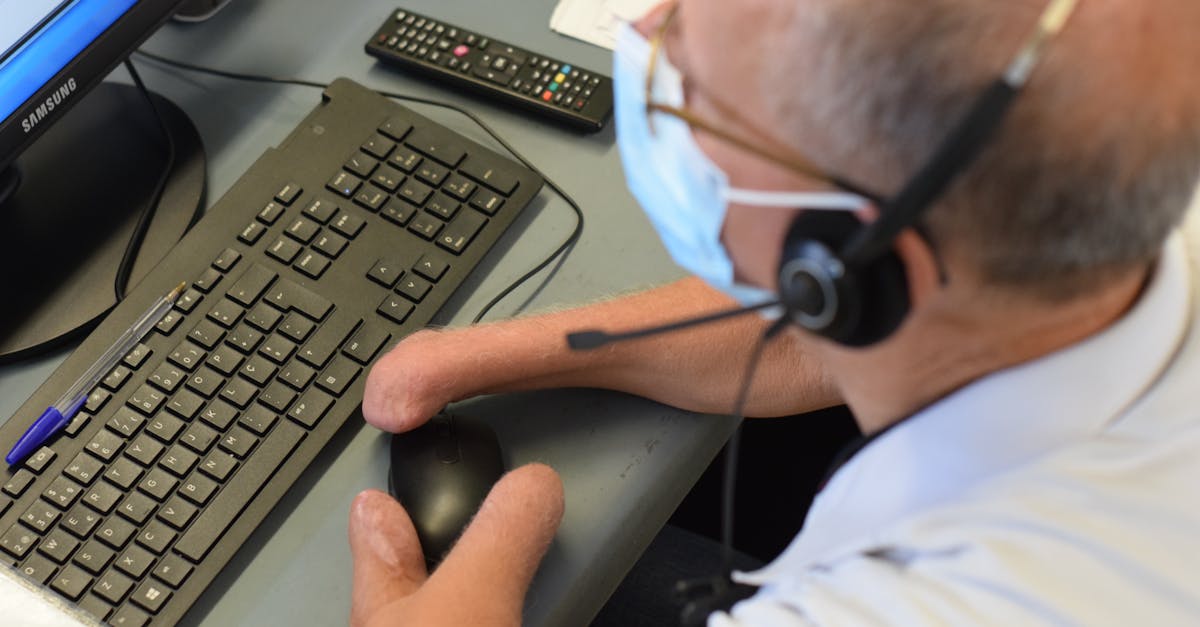
| Working Time Arrangements: Flexibility and Adaptation to Specific Needs | Working time arrangements for workers with disabilities are an essential technique for ensuring their continued employment. Contrary to a rigid vision, these arrangements take into account various aspects such as the nature of the disability, fatigue, and company constraints. The Labor Code allows for several forms of adaptation: | Reduced working hours | : the possibility of reducing daily or weekly hours to meet the employee’s needs. |
Flexible working hours

Therapeutic part-time work
: a gradual return to work adapted to post-illness capacity.
Teleworking
- : a solution to reduce travel constraints. Additional breaks
- : inclusion of appropriate rest periods to limit exhaustion. The occupational physician’s role is central: they assess the situation, advise on appropriate measures, and approve proposed adjustments. This collaboration helps prevent situations of covert discrimination while respecting the employee’s health. Here is a summary table of possible adjustments:
- Type of Adjustment Description
- Example of Application Health Impacts
- Reduction in working hours Reduction in hours of presence, part-time
Increase to 24 hours per week instead of 35 hours
Limits chronic fatigue and physical pain
| Flexible hours | Possibility of adapting schedules according to daily fatigue | Starts between 9 a.m. and 11 a.m. | Allows better management of personal and medical life |
|---|---|---|---|
| Teleworking | Remote work to save on commuting | Working from home 3 days a week | Reduces travel-related stress and the risk of accidents |
| Therapeutic part-time work | Gradual reintegration after sick leave | 4 hours per day for 3 weeks before full return | Facilitates convalescence and medical monitoring |
| Extra breaks | Rest between tasks or specific hours | Breaks every hour for 5 minutes | Improves concentration and reduces mental fatigue |
| For To learn more about these measures and how they fit into legislation, a good starting point is this comprehensive article on | How many hours do disabled workers work? | https://www.youtube.com/watch?v=W1gBbbQzKlU | |
| Specific adaptations according to the nature of the disability | Each disability covers very different realities that require careful customization of working hours. This individualization is essential to avoid the risks of exhaustion or deterioration of health, but also to respect the dignity and abilities of each individual. | Physical disabilities often require frequent breaks or the option of working remotely. This measure limits physical exertion and avoids time-consuming travel. Conversely, mental disabilities call for greater flexibility, such as flexible schedules and therapeutic part-time work, to manage stress and cognitive impairments. | Sensory disabilities, such as deafness or blindness, also require adaptations, whether in terms of schedules or the position employed, to create a more inclusive and safe environment. Physical Disability: 🌿 Frequent breaks, teleworking, ergonomic chair |
Psychological/Mental Disability: 🌿 Flexible working hours, therapeutic part-time work, psychological support Sensory Disability: 🌿 Job adaptation, flexible working hours, adapted communication toolsSevere or Multiple Disabilities: 🌿 Combination of several personalized measures
Preferred Accommodations
Priority Objectives
Physical
Frequent breaks, teleworking, reduced travel
- Reduction of muscular and nervous fatigue
- Psychological/Mental
- Flexible working hours, therapeutic part-time work, support
- Stress management, prevention of mental exhaustion
| Sensory | Adapted workstation, flexible working hours, specific tools | Improved communication and workplace safety |
|---|---|---|
| Multiple Disabilities | Combination of adaptations according to needs | Comprehensive and personalized support |
| Employers often call on specialized organizations such as | Handicap International | , |
| Cap Emploi | or | Les Entreprises Adapted to make these procedures safer and improve quality of life at work. These partners also offer training to teams to better understand disabilities. |
| Discover how disability workers provide essential support to people with disabilities, promoting their independence and inclusion in society. Learn about their roles, the skills they need, and the importance of their contribution to the daily lives of those they support. | Support and Assistance: Essential Partners in Professional Integration | The support landscape for workers with disabilities relies on a range of stakeholders who play a key role in securing their career paths. These include: |
💼 AGEFIPH: Financial and technical support for job adaptation and hiring. 🌐 Cap Emploi : Personalized support for integration efforts. 🏭

Vous avez un projet spécifique ?
Kevin Grillot accompagne entrepreneurs et PME en SEO, webmarketing et stratégie digitale. Bénéficiez d'un audit ou d'un accompagnement sur-mesure.
: Dedicated structures promoting skilled employment.
🛠
- MDPH : Disability assessment and guidance. 🏫
- Second Chance School : Training and refresher courses. 🤝 Association of the Paralysed of France
- and Concordia : advocacy and social support.
- 🔄 Missions Locales : professional integration of young people with disabilities.
- 🏠 Adapei : support for people with intellectual disabilities.
- This synergy between organizations ensures comprehensive care, with solutions adapted to the realities on the ground and the difficulties of the situations encountered. It also frees up resources for access to vocational training or technical adaptations of workstations. Organization Main role Type of support Target audience
- AGEFIPH Financial aid and employment support Subsidies, advice, training
- Workers with disabilities in ordinary settings Cap Emploi Placement and career guidance
Personalized advice, administrative support
| Job seekers with disabilities | Adapted Enterprises | Protected and adaptive employment | Adapted positions, supervision |
|---|---|---|---|
| Disabled Workers with Special Needs | MDPH | Disability Assessment | Recognition, Allowance |
| People with Disabilities in General | Second Chance School | Training and Reintegration | Workshops, Refresher Courses |
| Young People with Disabilities | To gain a deeper understanding of the complexity of accommodations, reading “Disabled Workers: What Are the Possible Accommodations” is essential. This guide details often overlooked aspects and helps avoid administrative pitfalls. | https://www.youtube.com/watch?v=sndVL0WiMlc | Employer Obligations and Disabled Workers’ Rights in the Organization of Working Time |
| In the world of inclusive work, employers and employees find themselves in a relationship governed by clear rights and duties. On the one hand, employees with disabilities enjoy the same rights as their colleagues, but with the addition of specific protections aimed at preventing any form of discrimination. On the other hand, employers must not only ensure strict compliance with legal working hours, but also implement reasonable accommodations. | Beyond the simple obligation to employ disabled workers (OETH), which imposes a 6% quota on companies with more than 20 employees for workers recognized as disabled, the legal framework requires a favorable working environment and appropriate working conditions. These obligations are part of a comprehensive approach in which each stakeholder plays a role in securing and sustaining employment. ✔️ Respect for equal pay and treatment | ✔️ Implementation of reasonable adjustments to work hours and positions | ✔️ Protection against unfair dismissal based on disability |
| ✔️ Priority access to adapted vocational training | ✔️ Compliance with employment quotas for disabled workers | Employer obligations | Rights of disabled workers |
Consequences for non-compliance Adjustment of work hours and positions Right to a suitable environment

Compliance with the 6% employment quota
Access to support programs
Fines and financial penalties for the company
- Protection against discrimination
- Right to appeal and complaint
- Lengthy and costly legal procedures
- Guarantee appropriate training
- Right to professional development
| Lack of employee motivation and demotivation | This regulated interaction is essential to avoid the boomerang effect of work that is rendered impossible or poorly adapted. To follow good professional practices, don’t hesitate to regularly consult resources such as “the rights of workers with disabilities.” This information allows you to better understand the intricacies of the legal framework while securing your career path. | Discover our complete guide on workers with disabilities, their essential role in supporting people with disabilities, and the resources available to improve their quality of life. Learn how these dedicated professionals contribute to inclusion and empowerment within society. International Comparison: What the Working Hours of Disabled Workers Reveal in Neighboring Countries |
|---|---|---|
| Observing practices abroad, we note that France is not isolated in the scraping/lart-de-la-data-a-votre-portee-comment-le-web-scraping-peut-transformer-votre-entreprise/">application of a standard legal working time, but notable differences exist in the adaptation of working hours to accommodate disabilities. For example, in Luxembourg, known for attracting many French cross-border workers, the legal working hours are often comparable, around 35 hours, but adaptations benefit from more pronounced social support and supplementary benefits. | In countries like Germany and Scandinavia, the trend is toward a more automatic reduction in working hours based on the severity of the disability, often combined with specific financial support measures. However, this approach can sometimes prove complex for employers in terms of organization and monitoring. Here is a comparative table of legal working hours and work accommodation practices for people with disabilities in France, Luxembourg, Germany, and Sweden: | Country |
| Standard legal working hours | Possible accommodations | Special features |
| France | 35 hours | Part-time, teleworking, flexible hours |
| Minimum working hours of 16 hours possible, AGEFIPH support | Luxembourg | 35 hours |
Reduced working hours based on disability, specific benefits Enhanced social security coverageGermany


Automatic reduction for disability
Incentives for sheltered employment
Sweden
40 hours
| Adapted working hours, specific leave | Advanced inclusive policy | These comparisons demonstrate a development that should be taken seriously, where national policies oscillate between standardization and adjustments based on cultural and social contexts. As an employer or employee, it is wise to learn about international best practices to better identify appropriate solutions. Best Practices for Securing and Optimizing the Working Hours of Employees with Disabilities | Ensuring adequate working hours is an ongoing challenge that requires vigilance and creativity. To prevent overwork or repeated sick leave, it’s essential to create a climate conducive to dialogue. |
|---|---|---|---|
| Here are some essential tips for successful adjustments: | 🎯 Regularly listening to the employee’s expressed needs and making ongoing adjustments | 🎯 Close collaboration with the occupational physician and specialized organizations such as the SOS Group or Cap Emploi | 🎯 Implementation of personalized monitoring and frequent assessments |
| 🎯 Raising awareness and training staff on disabilities to promote integration | 🎯 Using digital tools to adapt schedules and monitor work time | Tip | Description |
| Major Benefit | Continuous dialogue | Between the employee, the employer, and the occupational health physician | Anticipating difficulties before they worsen |
| Team training | Regular sessions to raise awareness and adapt behaviors | Fostering a climate of mutual support | Medical monitoring |
Regular health checks
Vous avez un projet spécifique ?
Kevin Grillot accompagne entrepreneurs et PME en SEO, webmarketing et stratégie digitale. Bénéficiez d'un audit ou d'un accompagnement sur-mesure.
Preventing burnout and accidents
Digital flexibility
Apps to manage schedules
- Optimizing organization and performance
- Working with organizations such as AGEFIPH and the Association des Paralysés de France
- greatly improves the management of this complex issue.
- Frequently asked questions about working hours for disabled workers
- What are the legal working hours for a disabled employee? The duration is the same as for all employees: 35 hours per week. However, adjustments are possible based on the employee’s specific needs.
| Can a reduction in working hours be requested due to a disability? | Yes, particularly through a part-time contract of up to 16 hours per week, after medical advice and the employer’s agreement. | What are the roles of the occupational physician in these adjustments? |
|---|---|---|
| They assess the employee’s health, recommend necessary adjustments, and monitor their ability to maintain employment without health risks. | Which organizations can support employers and employees? | AGEFIPH, Cap Emploi, Les Entreprises Adaptées, the Association des Paralysés de France, Groupe SOS, and Adapei are key support providers. |
| Is teleworking a suitable solution for workers with disabilities? | Indeed, it facilitates fatigue management and limits restrictive travel, particularly for those with physical and mental disabilities. | For more information, consult |
| How many hours should a disabled worker work | to better understand all the applicable rules. | |

📋 Checklist SEO gratuite — 50 points à vérifier
Téléchargez ma checklist SEO complète : technique, contenu, netlinking. Le même outil que j'utilise pour mes clients.
Télécharger la checklistBesoin de visibilité pour votre activité ?
Je suis Kevin Grillot, consultant SEO freelance certifié. J'accompagne les TPE et PME en référencement naturel, Google Ads, Meta Ads et création de site internet.

Checklist SEO Local gratuite — 15 points à vérifier
Téléchargez notre checklist et vérifiez si votre site est optimisé pour Google.
- 15 points essentiels pour le SEO local
- Format actionnable et imprimable
- Utilisé par +200 entrepreneurs


