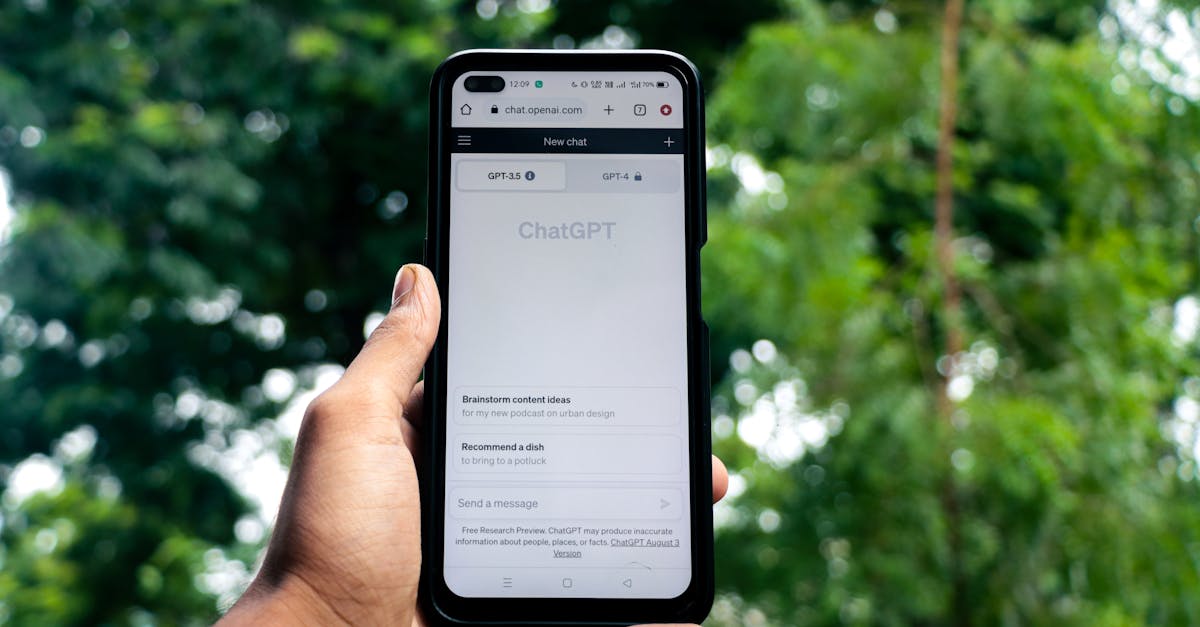
We are on the cusp of a radical transformation in the field of digital scraping/la-polyvalence-du-scraping-un-outil-mille-possibilites/">marketing. Online search is no longer limited to simply browsing web pages, and the rise of artificial intelligence (AI) is fundamentally changing the rules of the game. By 2026, nearly 35% of marketers will have already adopted Search Engine Optimization (SEO), catalyzing a revolution that is having a significant impact. While traditional organic search has always seemed incomplete, this new era requires a complete rethinking of how brands appear, position themselves, and, above all, how they capture attention in an environment where voice search, intelligent assistants, and the delivery of instant results are becoming the norm. The end of “blue links” and the rise of AI are challenging the relevance of keyword targeting alone. Today, simply being listed in the top results is no longer enough to capture a user’s interest. Conversational or contextual search demands a more precise, more human, and above all, more strategic approach. The transition to AEO is not just an evolution; it’s an essential step for anyone who wants to thrive in this new landscape where user experience has become the top priority. The need to consider semantics, a deep understanding of queries, and above all, the ability to enrich content so that it is recommended by these new interaction engines, are now at the heart of the competition.
Optimize your website’s visibility on search engines with effective SEO strategies tailored to your needs.
For decades,
organic search engine optimization It relied on optimization based on keywords, page structure, and indexing techniques. Search algorithms made it possible to rank content according to its relevance, but this approach has its limitations. With the advent of artificial intelligence and new conversational interfaces, these mechanisms are showing their weaknesses. Search engines, once confined to simply listing results, are now evolving into assistants that understand the query in its entirety. For example, a user asks: “What is the best skincare routine for sensitive skin in winter with French organic products?” Traditional SEO, based on the mere presence of keywords like “sensitive skincare,” is no longer sufficient to address this complexity. AI, thanks to its semantic capabilities, analyzes the context, the intent, and even the season to provide a precise and personalized answer. This requires SEO specialists to move beyond conventional strategies and adapt to this new logic of multimodal search. The future of SEO lies in understanding the query in its entirety. Voice search, for example, is radically transforming how users formulate their requests, favoring more natural and conversational questions. As a result, simply targeting keywords is no longer enough to appear at the top of the results, because the algorithm now prioritizes semantic relevance within an optimal user experience framework. The separation between text, image, and video content is coming to an end, making a completely revamped strategy necessary to avoid being relegated to obscurity. https://www.youtube.com/watch?v=LjHhdSHwgxE A New Way to Think About Content Discovery in 2026
Internet users’ search habits have undergone a major shift. Gone are the days of typing a series of keywords hoping to appear in the top results. Today, users expect quick, precise, and context-specific answers. AI-powered search, particularly through assistants like ChatGPT or Claude, fosters conversational interaction where each question is preceded by a specific answer. This forces companies to rethink their approach to visibility and content creation.
For example, an e-commerce manager can now ask a sophisticated question to the virtual assistant, rather than clicking a link on a results page. In this context, the challenge is no longer simply to appear for a targeted query, but to be the preferred source that AI prioritizes in its responses. The key lies in a content strategy focused on semantic understanding, in-depth information, and the ability to anticipate long-tail keywords. This amounts to a fundamental shift in how we approach SEO, focusing on real value for the user rather than simple technical optimization.

Structures and strategies to capitalize on the rise of AEO in 2026
To take advantage of this new era, marketers must adopt innovative—and above all, user-centric—strategies. The first step is to restructure content creation around real-world questions, relying on user experience optimization methods.


Next, the integration of multimodal content becomes essential. Text, images, videos, and audio must be orchestrated so that the AI algorithm can grasp all facets of the search query. The consistency between these different forms of expression directly influences how intelligent assistants recommend your content. Maintaining constant monitoring of search algorithm developments and using specialized tools remains a necessity. The ability to interpret weak signals, analyze new user behaviors, and optimize the technical structure for SEO in a highly multimodal environment will be crucial for staying ahead of the competition. Ultimately, the goal is clear: to ensure your content becomes the go-to resource that artificial intelligence recommends first. Criterion Importance in 2026Type of optimization
Semantic understanding
🔥 Crucial for success
| Long-tail content, FAQs, recent questions | Multimodal content | 🚀 Essential for relevance |
|---|---|---|
| Text, images, videos, podcasts | User interaction | 🌟 Essential for recommendations |
| Engagement, feedback, CTA | Key skills to master AEO and anticipate the future of SEO | In this new era, it’s no longer enough to be good at technical skills or link building. Mastering |
| search engine optimization | must incorporate a deep understanding of artificial intelligence, the challenges of voice search, and new user expectations. The ability to analyze semantic data, create multimodal content, and keep up with evolving algorithms is becoming essential. | Professionals must cultivate a curiosity for |
Vous avez un projet spécifique ?
Kevin Grillot accompagne entrepreneurs et PME en SEO, webmarketing et stratégie digitale. Bénéficiez d'un audit ou d'un accompagnement sur-mesure.
new SEO trends
while learning about semantic analysis tools and artificial intelligence to anticipate changes and become more agile. Continuous training, staying up-to-date with technological advancements, and experimentation are key to remaining competitive in the face of the gradual disappearance of SEO based solely on quantifiable metrics and the widespread adoption of AEO.Ultimately, those who can combine technical expertise, strategic understanding, and mastery of AI tools will be at the forefront of the future of SEO. Forecasts clearly show that, in this competitive landscape, the ability to adapt quickly is the only way to avoid being left behind by 2026.
https://www.youtube.com/watch?v=vz-D01B1vxA What exactly is AEO?Search Engine Optimization (AEO) involves optimizing your content so that it is directly recommended by artificial intelligence during conversational or contextual searches.
AEO goes beyond simple keyword optimization by integrating semantic understanding, multimodality, and contextualization, enabling better interaction with new virtual assistants.
What are the main challenges for SEO professionals today?
They must now rethink their content strategy, master voice search, anticipate the evolution of search algorithms, and integrate multimodal content to remain visible and relevant.
Source:
www.journaldunet.com
📋 Checklist SEO gratuite — 50 points à vérifier
Téléchargez ma checklist SEO complète : technique, contenu, netlinking. Le même outil que j'utilise pour mes clients.
Télécharger la checklistBesoin de visibilité pour votre activité ?
Je suis Kevin Grillot, consultant SEO freelance certifié. J'accompagne les TPE et PME en référencement naturel, Google Ads, Meta Ads et création de site internet.

Checklist SEO Local gratuite — 15 points à vérifier
Téléchargez notre checklist et vérifiez si votre site est optimisé pour Google.
- 15 points essentiels pour le SEO local
- Format actionnable et imprimable
- Utilisé par +200 entrepreneurs