Une nouvelle étape dans l’optimisation SEO : Google revoit ses recommandations sur la structure des URLs
En 2025, le monde du référencement naturel se trouve à un tournant crucial. Google, le maître incontesté de la recherche en ligne, a récemment mis à jour ses recommandations sur la structuration des URLs, ce qui pourrait bien bouleverser les stratégies SEO. Pour les responsables de sites web, les spécialistes du SEO et même pour les éditeurs de contenu, comprendre ces changements est désormais une nécessité vitale. La clarté, la simplicité et la sémantique deviennent les nouveaux piliers pour maximiser l’indexation et la visibilité. La mise en œuvre de ces nouvelles directives permet non seulement d’améliorer la compréhension par Google, mais aussi d’optimiser l’expérience utilisateur. La question n’est plus de savoir si l’on doit suivre ces recommandations, mais plutôt comment les appliquer concrètement pour se démarquer dans un environnement numérique de plus en plus concurrentiel. Entre hashtag, optimisation des mots-clés et gestion fine des paramètres d’URL, cette mise à jour impose un regard neuf sur la structure technique d’un site web.

Les fondamentaux de la nouvelle recommandation de Google pour des URLs SEO efficaces
Les directives actualisées par Google en juin dernier sont intraçables dans leur ambition : rendre les URLs plus compréhensibles, stables et surtout, plus en phase avec les attentes des moteurs. Ces recommandations touchent directement à la manière dont le contenu est organisé et présenté dans les adresses web. La première règle ? privilégier une URL simple, sans caractères spéciaux ou paramètres alambiqués. Par exemple, une adresse claire et accessible sera : https://www.exemple.com/formation/controle-gestion-si. À l’opposé, une URL peu optimisée pourrait sembler confuse et difficile à interpréter, tant pour Google que pour l’utilisateur.
De façon concrète, cette mise à jour insiste sur trois piliers :
- 👉 La lisibilité, avec des mots-clés connectés au contenu
- 👉 La stabilité, en évitant les changements fréquents
- 👉 La hiérarchie claire, avec des chemins logiques
Une entreprise comme Solution SEO souligne l’importance de ces paramètres pour conquérir une meilleure position dans les résultats. La bonne nouvelle, c’est que ces directives offrent une simplicité algorithmique pour Google, mais aussi une navigation facilitée pour l’utilisateur final. En limitant les caractères spéciaux, en évitant les longues chaînes de paramètres, et en préférant l’usage d’URL en minuscules, on s’assure un bolt dans la course au positionnement. La compréhension de ces principes est essentielle pour préparer des campagnes SEO efficaces.
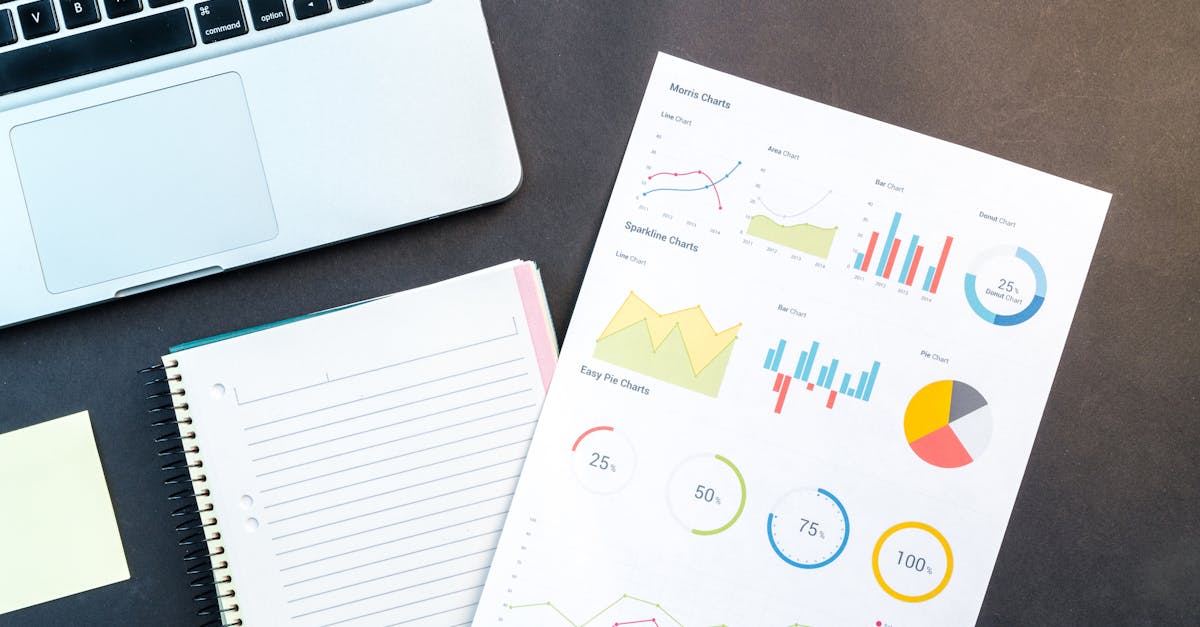
Les éléments-clés pour une URL optimisée selon Google
Selon la nouvelle documentation, chaque URL doit respecter des critères précis pour être considérée comme efficace :
| Critère | Recommandation | Exemple |
|---|---|---|
| Lisibilité | Utiliser des mots-clés séparés par des tirets | https://www.exemple.com/formation/controle-gestion-si |
| Caractères spéciaux | Éviter %20, @, accents, underscores | Correct : https://www.exemple.com/outils/tableaux-de-bord |
| Paramètres dynamiques | Limiter leur usage et préférer des chemins statiques | Correct : https://www.exemple.com/produits/chaussures/femme |
| Majuscule / Minuscule | Utiliser uniquement des minuscules | Correct : https://www.exemple.com/actualites/iphone |
| Redirections | Mettre en place des redirections 301 pour tout changement |

Comment appliquer durablement ces nouvelles recommandations SEO sur votre site
Partons sur de bonnes bases : la migration ou la révision des URLs est un processus qui demande planning, rigueur et surtout, anticipation. La correction des URLs obsolètes ou mal optimisées est à la portée de tous, à condition de respecter quelques règles fondamentales. La première étape consiste à faire un inventaire précis des URLs existantes, via un audit technique poussé. Ensuite, chaque URL doit être analysée pour évaluer sa pertinence, sa longueur, sa sémantique et sa hiérarchie.
Une fois les URLs identifiées, il convientde mettre en place une stratégie de migration en adéquation avec l’algorithme de Google. La redirection 301, par exemple, joue un rôle capital pour préserver le référencement de pages anciennes vers de nouvelles, plus performantes. L’outil classique reste le fichier .htaccess ou la configuration serveur, qui permet de gérer finement ces redirections dans le respect des recommandations officielles. Par ailleurs, il est indispensable d’actualiser tous les liens internes, en particulier ceux dans le menu, le plan du site, et la sitemap, pour favoriser une indexation efficace et durable.
Les astuces pour éviter les erreurs courantes lors de la restructuration
- ⚠️ Vérifier les URL en amont — utilisez des outils comme Screaming Frog ou SEMrush pour repérer les liens cassés ou non optimisés.
- 🔑 Définir une nomenclature cohérente — choix d’un format uniforme pour toutes les URLs, en évitant la multiplication de paramètres ou de chemins incompréhensibles.
- 🚦 Utiliser des balises canoniques en absolu pour préciser la version principale d’une page, évitant ainsi le duplicate content.
- 🛠️ Tester toutes les redirections en profondeur à l’aide d’outils comme Redirect Path ou Google Search Console.
Une mise à jour structurelle bien menée a des retombées immédiates : gain en visibilité, amélioration de l’expérience utilisateur et gestion renforcée des mots-clés. Mieux, le site devient plus résistant face aux vagues d’algorithmes, même si ces derniers se veulent plus évolutifs et complexes.
Vous avez un projet spécifique ?
Kevin Grillot accompagne entrepreneurs et PME en SEO, webmarketing et stratégie digitale. Bénéficiez d'un audit ou d'un accompagnement sur-mesure.
Les bénéfices concrets d’une URL bien structurée pour le référencement
Investir dans une structure URL claire et cohérente n’est pas une simple question d’esthétique numérique. C’est un véritable levier SEO pour aller au-delà des métriques classiques. La bonne structuration facilite la compréhension de votre contenu par Google et par vos visiteurs. En optant pour des URLs sémantiques, vous accroissez la capacité de votre site à apparaître dans des recherches larges ou spécialisées via des mots-clés liés à votre secteur.
Par exemple, une boutique en ligne spécialisée dans la vente de chaussures pour femmes pourra bénéficier d’une URL comme : https://www.exemple.com/produits/chaussures/femme. Cette structure indique clairement à Google que la page concerne une catégorie précise, renforçant le référencement naturel dans cette niche. Par ailleurs, cette cohérence facilite aussi le partage sur les réseaux sociaux, où une URL claire et compréhensible sera plus susceptible d’être cliquée et partagée.

FAQ : tout savoir sur la mise à jour des recommandations Google en matière d’URLs SEO
- 👉 Pourquoi Google insiste-t-il sur la simplicité des URLs ?
- Google privilégie les URLs lisibles et compréhensibles, car cela facilite le crawl, l’indexation et la hiérarchisation du contenu, tout en améliorant l’expérience utilisateur.
- 👉 Faut-il modifier toutes mes URLs existantes ?
- Pas nécessairement. La clé est d’identifier celles qui sont peu optimisées et de les rediriger en 301 vers des versions conformes aux nouvelles recommandations.
- 👉 Combien de caractères doit faire une URL ?
- Il est conseillé de ne pas dépasser 150 caractères, pour assurer une bonne lisibilité et éviter tout problème d’affichage ou de partage.
- 👉 Quelles erreurs à éviter lors d’une refonte URL ?
- Ne pas utiliser de caractères spéciaux, éviter de multiplier les paramètres, et toujours tester les redirections pour ne pas perdre de position dans Google.
- 👉 La gestion des URLs en multilingue est-elle impactée ?
- Oui, Google recommande l’utilisation d’URLs en minuscules, cohérentes, et avec une hiérarchie claire pour chaque version linguistique, afin d’assurer une meilleure indexation.
Source: formation.lefebvre-dalloz.fr
📋 Checklist SEO gratuite — 50 points à vérifier
Téléchargez ma checklist SEO complète : technique, contenu, netlinking. Le même outil que j'utilise pour mes clients.
Télécharger la checklistBesoin de visibilité pour votre activité ?
Je suis Kevin Grillot, consultant SEO freelance certifié. J'accompagne les TPE et PME en référencement naturel, Google Ads, Meta Ads et création de site internet.

Checklist SEO Local gratuite — 15 points à vérifier
Téléchargez notre checklist et vérifiez si votre site est optimisé pour Google.
- 15 points essentiels pour le SEO local
- Format actionnable et imprimable
- Utilisé par +200 entrepreneurs