

Voyager, c’est plonger dans l’inattendu, une expérience riche en découvertes que seule la photographie peut figer dans le temps. Pourtant, choisir le bon appareil photo pour capturer ces instants précieux est un vrai casse-tête. La diversité des modèles disponibles, de Canon à Leica en passant par Nikon ou Sony, complique encore la décision. On fait le point sur ce choix clé, en tenant compte des besoins spécifiques liés aux différentes formes de voyages. Que ce soit pour un safari en Afrique, une randonnée dans les Alpes ou une escapade urbaine, la sélection d’un appareil adapté est un enjeu majeur. Une errance non préparée peut laisser filer des souvenirs imparfaits, voire irrécupérables. 📸
Le budget alloué n’est pas un simple chiffre, il détermine la portée des performances techniques accessibles. Un petit compact suffira-t-il ou faut-il viser un hybride sophistiqué ou un reflex robuste ? À cela s’ajoute la dimension du poids et de la maniabilité, cruciales selon la nature du voyage. L’évolution rapide des technologies impose aussi une vigilance permanente : les nouveaux modèles intègrent des fonctions ingénieuses comme la stabilisation avancée, les viseurs électroniques haute définition ou encore le Wi-Fi intégré pour partager instantanément ses clichés. Des alternatives récentes émergent également avec des hybrides de plus en plus compacts et performants, ou encore des modèles étanches type GoPro adaptés à la photo sous-marine. 🌍
Ce guide pratique offre un panorama complet et technique mais accessible pour s’y retrouver dans cet univers saturé. Les voyageurs ne doivent plus craindre de perdre des images essentielles, mais au contraire, apprendre à choisir un allié numérique qui transformera leurs périples en galeries d’art ambulantes. Équipé judicieusement, chaque cliché deviendra une histoire racontée avec clarté et intensité. Le choix éclairé d’un appareil photo n’est plus une option, c’est une nécessité.
Les critères essentiels pour choisir un appareil photo de voyage adapté
Choisir son appareil photo pour voyager nécessite une réflexion approfondie basée sur plusieurs critères, souvent liés étroitement aux attentes personnelles et au type de voyage envisagé. Voyons pourquoi chacun de ces aspects est un vrai révélateur pour une décision avisée.
1. Les besoins photo selon le type de voyage
La nature du voyage influence grandement le choix. Par exemple, un séjour en milieu naturel demande un équipement léger et résistant capable de tenir face aux aléas climatiques, tandis que pour un voyage culturel, la qualité d’image et la possibilité de changer d’objectif sont prioritaires.
- 🌿 Randonnée, trekking : privilégier la compacité et la robustesse, souvent un appareil compact ou un hybride léger.
- 🏙️ Villes et musées : qualité et polyvalence, donc un reflex ou un hybride avec divers objectifs.
- 🏞 Safari, faune sauvage : zoom puissant et rapidité autofocus sont primordiaux (exemple : Canon avec objectifs téléobjectifs).
- 🏄 Voyages aquatiques : opter pour un appareil étanche ou une action cam type GoPro.
C’est une étape décisive pour éviter d’emporter un appareil inadapté, générateur de frustration.
2. Compétences et usage photographique
Le niveau en photographie joue un rôle significatif :
- Débutant : un compact ou un smartphone à haute capacité photo suffit. Par exemple, les modèles Huawei récents proposent des performances honorables.
- Passionné intermédiaire : des hybrides comme un Sony Alpha 7C ou un Fujifilm X-T4 sont adaptés pour progresser.
- Expert : préfèrera un reflex ou un hybride plein format à objectifs interchangeables, comme Nikon Z50 ou Leica SL2, offrant un contrôle maximal.
Chaque profil doit évaluer honnêtement son besoin de simplicité ou de polyvalence technique.
3. Budget alloué et rapport qualité/prix
Ancrer son choix dans un cadre budgétaire réaliste est indispensable :
- Moins de 500€ : options limitées mais de qualité correcte, comme certains compacts Ricoh ou Panasonic.
- Entre 500€ et 1500€ : gamme hybride d’entrée/milieu de gamme, appareils Sony et Fujifilm très performants.
- Au-delà de 1500€ : reflex ou hybrides professionnels assurant des clichés d’exception.
Anticiper les coûts additionnels : objectifs, sacoches, batteries supplémentaires, etc. On recommandera notamment de consulter un comparatif complet comme sur meilleurtest.fr pour peaufiner son choix.
4. Ergonomie et portabilité
Un aspect souvent négligé mais fondamental : l’appareil doit être pratique à transporter et facile à manier en situation de voyage. L’encombrement peut vite devenir un frein à la spontanéité. Pour cela, évaluer la taille, le poids, et la prise en main de l’appareil s’impose.
- Privilégier un boîtier compact pour les séjours prolongés où la légèreté est clé.
- Penser aux accessoires comme la bandoulière ou un sac photo adapté.
- Considérer la résistance aux chocs et aux intempéries (Olympus propose souvent des modèles robustes adaptés aux environnements difficiles).
| Type d’appareil | Poids moyen (g) 📦 | Encombrement | Résistance | Idéal pour |
|---|---|---|---|---|
| Compact | 200-350 | Très faible | Moyenne | Voyage léger, photos rapides |
| Hybride | 400-700 | Modéré | Bonne | Qualité et polyvalence |
| Reflex | 700-1200 | Important | Excellente | Photographes experts |
Ces critères combinés permettent de délimiter clairement les modèles à privilégier selon ses besoins spécifiques.
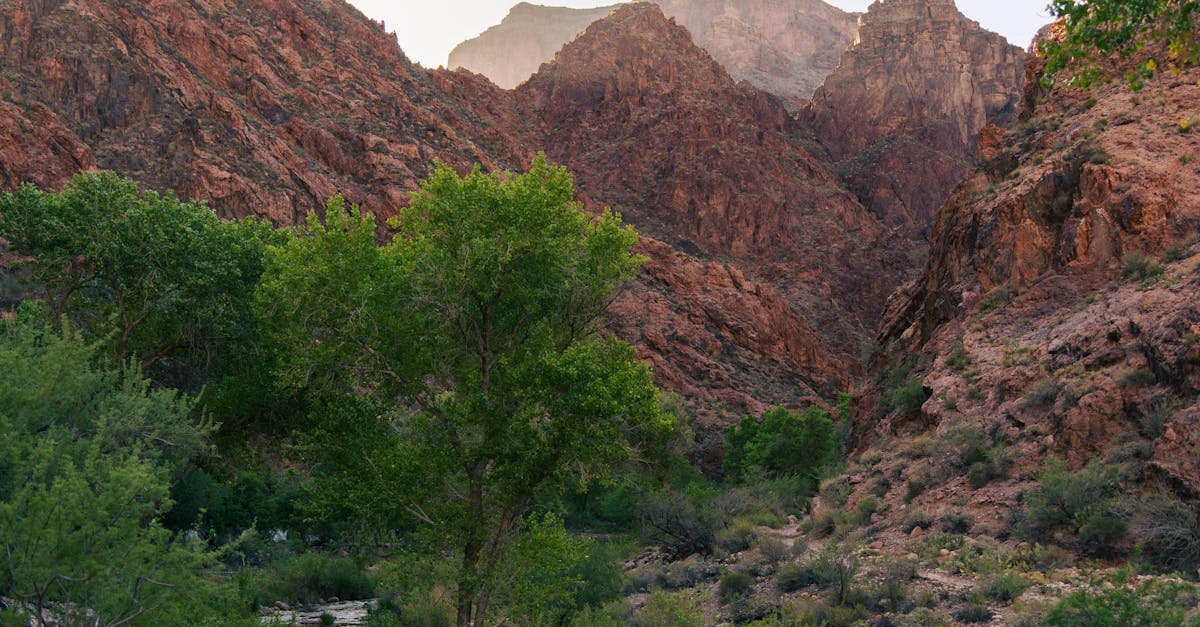

Les appareils compacts : légèreté et simplicité pour la photographie en voyage
Les appareils photo compacts restent depuis longtemps une solution plébiscitée pour leur facilité d’utilisation et leur poids minimal. Ils offrent un vrai confort pour les explorateurs mobiles qui recherchent la discrétion et la rapidité, sans sacrifier une qualité d’image respectable.
Fonctionnalités principales des compacts
Un compact hybride comme le Canon PowerShot G7 X Mark III propose des capteurs performants et un zoom optique efficace. La plupart des compacts intègrent désormais un viseur électronique ou un écran tactile orientable, rendant la prise de vue intuitive dans toutes les situations.
- 📷 Capteur CMOS performant, souvent 1 pouce pour un bon compromis qualité/portabilité.
- 🔍 Zoom optique variable (jusqu’à 20x sur certains modèles).
- 🛡️ Résistance aux éclaboussures sur certains modèles étanches, idéale pour le voyage.
- 📡 Connectivité Wi-Fi et Bluetooth pour un partage instantané.
Des marques comme Ricoh avec son GR III, ou Panasonic avec son Lumix TZ200, demeurent des références incontournables dans cette catégorie. Elles assurent une bonne qualité même en faible luminosité, grâce à une grande ouverture de l’objectif.
Avantages des compacts en voyage
- 💼 Facilité à glisser dans une poche ou un sac à dos.
- 📱 Maniabilité proche du smartphone, adaptée aux amateurs.
- 🔋 Consommation énergétique modérée, permettant une longue autonomie.
- 💸 Budget accessible souvent inférieur à 1000€.
Limites à considérer
La limitation majeure tient au contrôle réduit sur certains réglages manuels, ainsi qu’à la performance moindre des zooms par rapport aux hybrides ou reflex. En outre, les capteurs plus petits limitent légèrement le rendu en très haute qualité ou en situation extrême comme les photos nocturnes.
| Modèle | Capteur | Zoom optique | Poids (g) | Fourchette de prix (€) |
|---|---|---|---|---|
| Canon PowerShot G7 X Mark III | 1 pouce | 4.2x | 304 | 650-800 |
| Sony RX100 VII | 1 pouce | 8.3x | 302 | 1200-1400 |
| Fujifilm X100V | APS-C | Fixe (23mm) | 478 | 1300-1500 |
Pour explorer d’autres comparatifs approfondis sur le sujet, ce guide ultime offre une mine d’informations.

Les appareils hybrides : équilibre entre performances et modularité
Les appareils hybrides se positionnent en parfait compromis entre compacts et reflex. Equipés de capteurs plus grands que les compacts, souvent APS-C ou plein format, ils permettent une qualité d’image élevée, tout en restant assez légers pour voyager. La possibilité d’interchanger les objectifs autorise une polyvalence créative précieuse.
Les atouts techniques des hybrides
- 📸 Capteur APS-C ou plein format pour une meilleure gestion de la lumière.
- 🔄 Objectifs interchangeables selon les besoins : grand-angle, téléobjectif, macro.
- 🎥 Vidéo 4K en haute définition, prisée pour vloggeurs et voyageurs multimédias.
- ⚙️ Nombreuses options de réglages manuels et modes spécialisés.
Des exemples probants incluent le Sony Alpha 7C qui, avec son format très compact plein format, est prisé des voyageurs exigeants. Le Fujifilm X-T4, quant à lui, convainc avec son système de stabilisation et sa robustesse, parfait pour des conditions difficiles. Pour ceux qui préfèrent la marque française Olympus, ses derniers modèles Micro 4/3 sont légers avec une bonne autonomie.
Pourquoi les hybrides séduisent les voyageurs ?
- 🚀 Excellent rapport qualité/poids.
- 🎨 Liberté créative renforcée grâce au changement des objectifs.
- 🔧 Prise en main intuitive et personnalisable.
- 🌐 Intégration facile avec smartphones et réseaux via Wi-Fi/Bluetooth.
Quelques limites potentielles
Les hybrides demandent un investissement un peu plus conséquent. Le poids reste plus élevé qu’un compact et ils requièrent parfois une certaine connaissance technique pour exploiter pleinement leurs capacités, ce qui peut rebuter les néophytes. De plus, la nécessité d’emporter plusieurs objectifs augmente la charge lors des déplacements.
| Modèle | Capteur | Poids (g) | Vidéo | Prix (€) |
|---|---|---|---|---|
| Sony Alpha 7C | Plein format | 509 | 4K | 2200-2500 |
| Fujifilm X-T4 | APS-C | 607 | 4K | 1500-1700 |
| Olympus OM-D E-M5 Mark III | Micro 4/3 | 414 | 4K | 1100-1300 |
Ces appareils s’adaptent aussi bien aux shoots touristiques qu’aux prises de vues plus complexes, notamment pour la photo de nuit ou la macrophotographie. Un guide détaillé sur le sujet est disponible à cette adresse.
Vous avez un projet spécifique ?
Kevin Grillot accompagne entrepreneurs et PME en SEO, webmarketing et stratégie digitale. Bénéficiez d'un audit ou d'un accompagnement sur-mesure.
Les reflex : l’excellence photographique et la robustesse
Les reflex restent une référence pour les photographes exigeants. Leur solide construction, leurs capteurs de grande taille et leur système optique interchangeable garantissent une qualité d’image inégalée. Si le poids et l’encombrement sont des contraintes lourdes, l’investissement s’avère généralement payant pour des clichés d’exception.
Caractéristiques des reflex adaptés au voyage
- 📷 Capteurs plein format ou APS-C offrant une gamme dynamique étendue.
- 🔧 Possibilité de changer les objectifs en fonction des conditions.
- 🛠 Construction robuste pour affronter les usages intensifs.
- 🎯 Autofocus rapide et précis idéal pour la faune ou le sport.
Des modèles comme le Canon EOS RP (plein format) ou bien le Nikon Z50 (APS-C hybride avec système reflex) démontrent la variété importante dont disposent les photographes. Leica, propose aussi des appareils hybrides à visée reflex très haut de gamme, destinés aux professionnels et passionnés fortunés.
Inconvénients liés aux reflex en contexte de voyage
- 👜 Poids et taille pouvant limiter la mobilité.
- 🔋 Autonomie parfois plus faible nécessitant des batteries de rechange.
- 💡 Nécessité d’un apprentissage technique avancé pour maîtriser l’appareil.
| Modèle | Capteur | Poids (g) | Résistance | Prix (€) |
|---|---|---|---|---|
| Canon EOS RP | Plein format | 485 | Moyenne | 1300-1500 |
| Nikon D850 | Full frame | 915 | Excellente | 2500-3000 |
| Leica SL2 | Plein format | 1100 | Robuste | 5000+ |
Ce type d’appareil est conseillé aux photographes capables de gérer le poids et les accessoires, privilégiant la qualité absolue sur l’ergonomie.
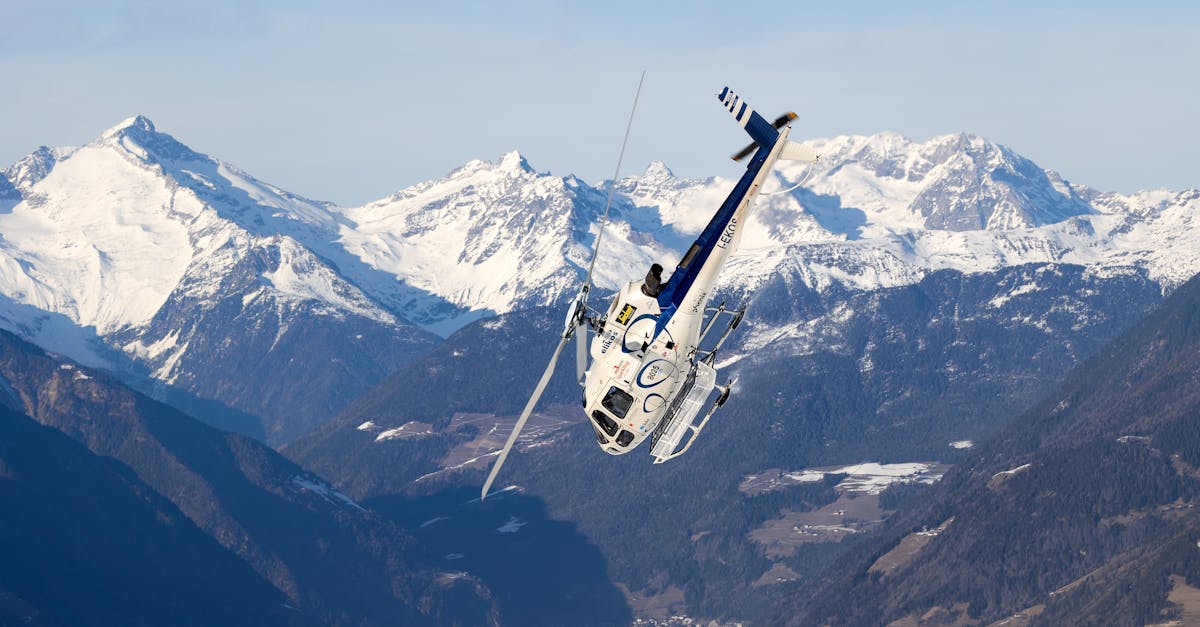

Appareils spécialisés pour environnements extrêmes et aventure
Lorsque l’on part pour des aventures hostiles, qu’il s’agisse d’expéditions en montagne, de plongée sous-marine ou de trek en zones humides, une attention particulière doit être portée aux paramètres de résistance et d’autonomie des appareils photo.
Caméras d’action et appareils étanches
La GoPro demeure un incontournable dans cette catégorie. Compacte, légère et spécialement conçue pour affronter des conditions difficiles, elle permet de filmer et de photographier sous l’eau ou dans des environnements poussiéreux. On notera aussi l’évolution vers des modèles hybrides avec capteurs plus grands que les premières versions.
- 🌊 Étanchéité standard jusqu’à 10 mètres ou plus avec boîtiers spécifiques.
- 🚵 Résistance aux chocs et vibrations extrêmes.
- 🎥 Fonctionnalités vidéo 4K pour documenter les aventures avec détails.
- 🔄 Connectivité pour le contrôle à distance via smartphone.
Appareils photo compacts renforcés
Les marques Olympus, Panasonic ou Ricoh proposent des appareils compacts spécialement renforcés pour ces usages. Par exemple, l’Olympus Tough TG-6 est étanche, résistant aux chocs et à la poussière, une combinaison essentielle pour les photographes aventuriers.
Conseils pratiques pour sécuriser vos appareils
- 💼 Utiliser des housses et sacs photo adaptés aux conditions, résistants à l’eau.
- 🔌 Prévoir des batteries de rechange étanches et un système de charge portable.
- 🛡️ Nettoyer régulièrement les capteurs et objectifs pour éviter les dégradations.
- 📍 Éviter d’exposer l’appareil à des températures extrêmes prolongées.
Une évolution à prendre au sérieux, car ces environnements extrêmes peuvent facilement constituer une porte dérobée à la perte irrémédiable de souvenirs précieux. Plus d’informations sur ces pratiques et équipements se trouvent notamment sur voyagetips.com.

Comprendre les spécifications techniques pour affiner son choix
Maîtriser certains termes techniques permet d’éviter les fausses bonnes idées lors de l’achat. Voyons les points incontournables :
- Capteur : La taille (APS-C, plein format) impacte la qualité d’image et la performance en faible lumière.
- Ouverture : Un objectif avec valeur f faible (ex : f/1.8) permet plus de lumière, important pour les photos en intérieur ou nuit.
- ISO : La sensibilité ISO influence la capacité à gérer les conditions lumineuses variées. Lisez à ce sujet cet article détaillé pour mieux appréhender cet aspect.
- Vitesse d’obturation : Détermine la capacité à figer un mouvement.
- Stabilisation : Optique ou capteur, elle permet d’obtenir des images nettes malgré les tremblements.
- Résolution : Mesurée en mégapixels, elle doit correspondre aux besoins (impression, partage numérique).
- Autonomie de batterie : Un point souvent sous-estimé, déterminant pour les longues journées de shooting.
Un tableau récapitulatif clairs aide à mettre en perspective ces caractéristiques :
| Spécification technique | Description | Importance en voyage 📍 |
|---|---|---|
| Capteur | Taille et format du capteur influencent la qualité générale de l’image | 🌟 Essentiel |
| Ouverture | Contrôle la quantité de lumière reçue, clé pour faibles lumières | 🌟🌟 Très important |
| ISO | Permet de varier la sensibilité à la lumière sans trop dégrader l’image | 🌟🌟 Important |
| Stabilisation | Réduit le flou causé par les mouvements de l’appareil | 🌟🌟 Essentiel |
| Résolution | Nombre de mégapixels, impacte la qualité pour impression/recadrage | 🌟 Moyen |
| Autonomie | Durée d’utilisation sans recharge, cruciale en voyage | 🌟🌟 Très important |
Approfondir ces notions techniques permettra d’éviter les pièges et d’identifier les appareils réellement adaptés.
Vous avez un projet spécifique ?
Kevin Grillot accompagne entrepreneurs et PME en SEO, webmarketing et stratégie digitale. Bénéficiez d'un audit ou d'un accompagnement sur-mesure.
Prendre en compte la connectivité et les fonctions intelligentes
La photographie en voyage ne se limite pas simplement à la prise d’image. Le partage instantané, la sauvegarde sécurisée en ligne, l’édition rapide ou même le contrôle à distance ouvrent de nouvelles perspectives.
- 📶 Wi-Fi et Bluetooth intégrés facilitant la connexion aux smartphones.
- ☁️ Stockage cloud automatique via applications associées.
- 🔌 Recharge rapide et via USB-C, importante sur le terrain.
- 🖥️ Interaction avec apps de post-traitement simplifiée (exemple : Lightroom mobile).
Ces fonctions intelligentes, désormais quasi indispensables, assurent une meilleure fluidité dans la gestion des images lors d’un voyage.
Pour plus de détails, un article récent souligne les innovations en matière de connectivité mobile liées à la photographie.

Les marques incontournables et leurs spécificités
Sur le marché, plusieurs marques dominent et proposent des gammes variées :
- Canon : large choix, solides en reflex et compacts, réputés pour leur ergonomie.
- Nikon : excellence en capteurs et autofocus, modèles hybrides performants.
- Sony : pionniers des appareils hybrides plein format compacts.
- Fujifilm : finesse colorimétrique, appareils hybrides très appréciés.
- Olympus : compacts robustes et excellents pour l’aventure.
- Panasonic : leader en vidéo avec ses hybrides Lumix.
- GoPro : imbattable pour les sports extrêmes et environnements hostiles.
- Ricoh : compacts performants et faciles à emporter.
- Leica : luxe et qualité d’image exceptionnelle, pour les connaisseurs.
- Huawei : propose des smartphones hybrides avec une excellente capacité photo.
Ce panorama dynamique aide à mieux orienter le choix en fonction du profil de voyageur.

FAQ : Questions fréquentes sur le choix d’un appareil photo pour voyager
- ❓ Quel est l’appareil photo le plus léger pour voyager ?
Les compacts comme le Sony RX100 VII ou les modèles Panasonic Lumix TZ200 sont parmi les plus légers et facilement transportables.
- ❓ Faut-il privilégier un appareil avec zoom puissant ?
Tout dépend des sujets photographiés. Pour la faune ou paysages lointains, un zoom puissant est utile. Sinon, un objectif fixe ou grand-angle est préférable pour la qualité.
- ❓ Peut-on voyager seulement avec un smartphone ?
Les smartphones tels que ceux de la marque Huawei offrent de très belles performances mais restent limités en créativité et qualité en conditions extrêmes.
- ❓ Les hybrides sont-ils vraiment meilleurs que les compacts ?
Oui, en termes de qualité d’image et options créatives, les hybrides apportent davantage, bien qu’ils soient un peu plus encombrants.
- ❓ Quels accessoires sont indispensables pour un voyageur photographe ?
Batteries supplémentaires, cartes mémoire, sac photo résistant, et protections sont essentiels pour sécuriser votre matériel.
Pour aller plus loin et bénéficier de conseils approfondis, n’hésitez pas à consulter des sites spécialisés comme lesdeuxpiedsdehors.com ou voyageway.com.
📋 Checklist SEO gratuite — 50 points à vérifier
Téléchargez ma checklist SEO complète : technique, contenu, netlinking. Le même outil que j'utilise pour mes clients.
Télécharger la checklistBesoin de visibilité pour votre activité ?
Je suis Kevin Grillot, consultant SEO freelance certifié. J'accompagne les TPE et PME en référencement naturel, Google Ads, Meta Ads et création de site internet.

Checklist SEO Local gratuite — 15 points à vérifier
Téléchargez notre checklist et vérifiez si votre site est optimisé pour Google.
- 15 points essentiels pour le SEO local
- Format actionnable et imprimable
- Utilisé par +200 entrepreneurs


