

Amidst turmoil in the digital giants sector, an AI startup named Perplexity is striking hard, proposing an exceptional offer to acquire Google Chrome. With a $34.5 billion cash offer, it is upending the balance established for years, while the American courts are demanding the sale of the browser to Google due to monopoly. This financial attack, unexpected in a sector where Google, Microsoft, Apple, and Samsung dominate the market, sheds a harsh light on the future challenges of online search, data collection, and technological supremacy. Perplexity, which positions itself as a rising star, is banking not only on Chrome’s intrinsic value—estimated at over $50 billion—but also on a bold strategy to open source the Chromium code while retaining Google as the default search engine. The political, regulatory, and economic contexts are intertwined in this operation, revealing a fierce battle for the future of the web and artificial intelligence. Perplexity and its explosive offer for Chrome: a revolution in the race for web dominance.
Discover acquisitions: definition, challenges, and best strategies for successful acquisitions or business growth. Practical advice and simple explanations.

The days when startups were content with mere innovation talk are over. Today, the financial and regulatory war is more intense than ever. Perplexity’s proposal comes as Google is under pressure in the United States. The courts are demanding the sale of Chrome to dismantle a quasi-monopolistic position that limits competition. Yet, Chrome’s value far exceeds the startup’s offering. A competitor such as DuckDuckGo or Brave could even consider an offensive if the deal were successful. Perplexity’s move could reignite the debate on cloud regulation, data protection, and freedom of choice for Internet users. Most experts agree that Google, with its 68% global market share, has both strategic and geopolitical clout. The problem: who will truly control access to billions of users, and consequently, the distribution of artificial intelligence? https://www.youtube.com/watch?v=M8r1Fia2Vq0
Strategic Implications for Industry Giants
Current Situation
Post-Acquisition Scenario
| Market Value | Over $50 Billion Estimated for Chrome | Likely Revaluation, Depending on New Players |
|---|---|---|
| Market Share | 68% Globally | Potentially Reduced Share if Chrome Changes Ownership |
| Strategy | Dominance Through Data and Ecosystem | Increased Competition, Necessary Diversification |
| Possible Future Scenarios for Search, Advertising, and Artificial Intelligence | What would the acquisition of Chrome mean for the digital ecosystem as a whole? Acquisition or not, this transaction exposes various scenarios. Perplexity, for example, could usher in a new era for online search by offering a more transparent platform, integrating its AI to improve the user experience. With this in mind, compatibility with alternative browsers like Mozilla Firefox or Opera could become a key issue. Web neutrality, often claimed by these players, could be undermined by the dominance of a single search engine or by market fragmentation. | Maintaining Google as the default search engine would guarantee stability, but might not eliminate the threat to competition. ⚖️ |

A gradual integration of AI into Chrome could revolutionize search, rendering some current standards obsolete. 🤖
A potential diversification of players in the face of new giants could accelerate, with the rise of players like Brave and Mozilla. 🌐
- Regulators will need to adapt their frameworks to keep pace with these rapid developments. 📜
- Discover the keys to acquisitions, its essential strategies, and practical tips for developing and boosting your business’s growth.
- Frequently asked questions about Perplexity’s attempted acquisition of Chrome
- Can Perplexity really acquire Google Chrome?

Vous avez un projet spécifique ?
Kevin Grillot accompagne entrepreneurs et PME en SEO, webmarketing et stratégie digitale. Bénéficiez d'un audit ou d'un accompagnement sur-mesure.
this article
.
What are the real risks for Google if Chrome changes hands? The loss of Chrome could weaken Google’s overall strategy. This browser is a closed door to its other services like Google Search, YouTube, or Google Ads. Losing this position would drastically reduce their ability to collect valuable data and maintain their hegemony. Furthermore, control of an entire search and advertising ecosystem is slipping away from them, leaving room for new players like Brave and DuckDuckGo, which focus on privacy and open source. From a regulatory perspective, this could also make Google vulnerable to fines or even loss of market share. The question arises: to what extent is Google prepared to defend its position in the face of tomorrow’s challenges?How could this offer influence the future of alternative browsers?
The development of browsers such as Mozilla Firefox or Brave could gain new momentum if Chrome becomes less dominant or radically changes its nature. Their advantage? Highlighting their privacy policies, their compatibility with AI, and their open source structure. Competition could then intensify, with joint innovations or strategic alliances. The presence of a player like Perplexity, with its strong investments in AI, could also give rise to browsers directly integrating these new technologies, strengthening their potential against Chrome and other major players such as Opera or Microsoft’s Edge. The battle for market dominance is thus becoming fiercer and more dynamic than ever.
Key questions on the eve of the browser wars in 2025
Can Perplexity really force Google to back down in this battle? ⚔️
What would the impact be on web market regulation? 🌍
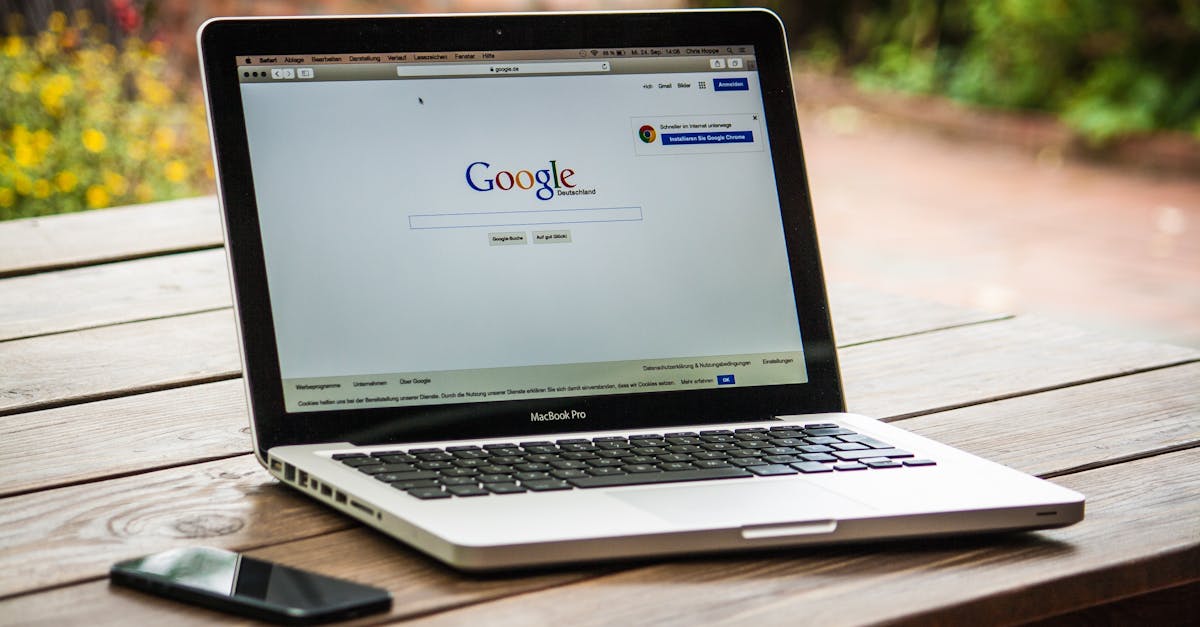
Do alternative browsers stand a chance against this new competition? 🚀
- How could the rise of AI transform online search? 🤖
- What does the future hold for privacy in the face of this concentration of players? 🔒
- Frequently Asked Questions
- Can Perplexity really acquire Google Chrome?
- Absolutely, thanks to a solid fundraising round and a well-crafted strategy, Perplexity is in a position to make a credible offer. Although this transaction seems ambitious, it also relies on a regulatory environment that could push Google to give in. The open-sourcing of the Chromium code, combined with this massive investment, could usher in a new era for search and browsing. For more information, please read this article.

What are the risks for Google if Chrome slips away?
Losing Chrome would represent a major strategic loss: the platform serves as a gateway to its other services, notably its search and advertising software. Losing control of the browser could weaken its dominant position and pave the way for digital democracy, where players such as Brave and DuckDuckGo would gain influence. Regulation could also intensify, with restrictions on data collection and the use of AI algorithms. The question is: to what extent is Google prepared to defend its supremacy?
See the article “Perplexity” .What scenarios for the future of browsers in 2025?
If Perplexity succeeds, the web could shift into a new era, dominated by browsers fully integrating artificial intelligence. Alternatives such as Mozilla Firefox or Brave, already heavily focused on privacy, could seize the opportunity to strengthen their position. Innovation in personalized search, speed, and security would be particularly central to this new race. These players’ strategies will need to evolve, with a strong emphasis on transparency and security to convince an increasingly privacy-conscious public. As such, the future looks more uncertain than ever, and this battle could well profoundly reshape the dynamics of the web market by 2030.
📋 Checklist SEO gratuite — 50 points à vérifier
Téléchargez ma checklist SEO complète : technique, contenu, netlinking. Le même outil que j'utilise pour mes clients.
Télécharger la checklistBesoin de visibilité pour votre activité ?
Je suis Kevin Grillot, consultant SEO freelance certifié. J'accompagne les TPE et PME en référencement naturel, Google Ads, Meta Ads et création de site internet.

Checklist SEO Local gratuite — 15 points à vérifier
Téléchargez notre checklist et vérifiez si votre site est optimisé pour Google.
- 15 points essentiels pour le SEO local
- Format actionnable et imprimable
- Utilisé par +200 entrepreneurs


