

Une fuite révèle la stratégie d’OpenAI : faire de ChatGPT l’interface centrale du monde numérique
En 2025, l’univers de l’intelligence artificielle se trouve à un tournant décisif, propulsé par une fuite interne qui expose la vision ambitieuse d’OpenAI. Contrairement à l’image d’un simple chatbot, le géant de la tech veut transformer ChatGPT en un « super-assistant universel », capable d’intervenir à chaque étape de la vie quotidienne. Cette stratégie va bien au-delà du simple échange de questions-réponses ; elle vise à faire de ChatGPT le point d’entrée principal vers tous les services numériques, modifiant en profondeur la façon dont nous interagissons avec la technologie. La révélation confirme que l’intelligence artificielle, loin d’être un outil isolé, devient un maillon essentiel de notre expérience utilisateur, mêlant données, automatisation et connectivité dans un tout cohérent. La transformation s’inscrit dans un contexte où la rivalité avec d’autres acteurs comme Google, Meta, ou Microsoft devient de plus en plus féroce. La volonté d’OpenAI ? Prendre le contrôle de l’écosystème numérique, en intégrant son IA dans toutes les interfaces, pour concurrencer aussi bien les moteurs de recherche que les assistants vocaux et autres plateformes en ligne. La suite s’annonce comme une révolution, où chaque interaction, qu’elle soit à la maison, au travail ou en déplacement, sera pilotée par un assistant toujours plus intelligent, personnalisé et omniprésent. Le défi est de taille : comment faire pour assurer cette connexion fluide, tout en garantissant la sécurité et la confidentialité des données ? Pour y répondre, la société mise tout sur une double stratégie : développement rapide de ses modèles, et création d’un système de données en boucle fermée, permettant une auto-amélioration continue. En s’installant ainsi comme un pilier indispensable du numérique, ChatGPT pourrait redéfinir le paysage technologique des années à venir. Mais derrière cette ambition se cache une série de questions cruciales : jusqu’où pourra-t-on aller pour optimiser cette immersion dans la vie digitale, et quelles seront les répercussions en termes de gouvernance et de vie privée ? La réponse s’écrit en partie dans cette fuite qui a mis à jour la feuille de route stratégique d’OpenAI. Les prochains mois réservaient encore bien des surprises dans cet univers en pleine accélération. Si vous souhaitez mieux comprendre ces enjeux, n’hésitez pas à explorer cet article détaillé.

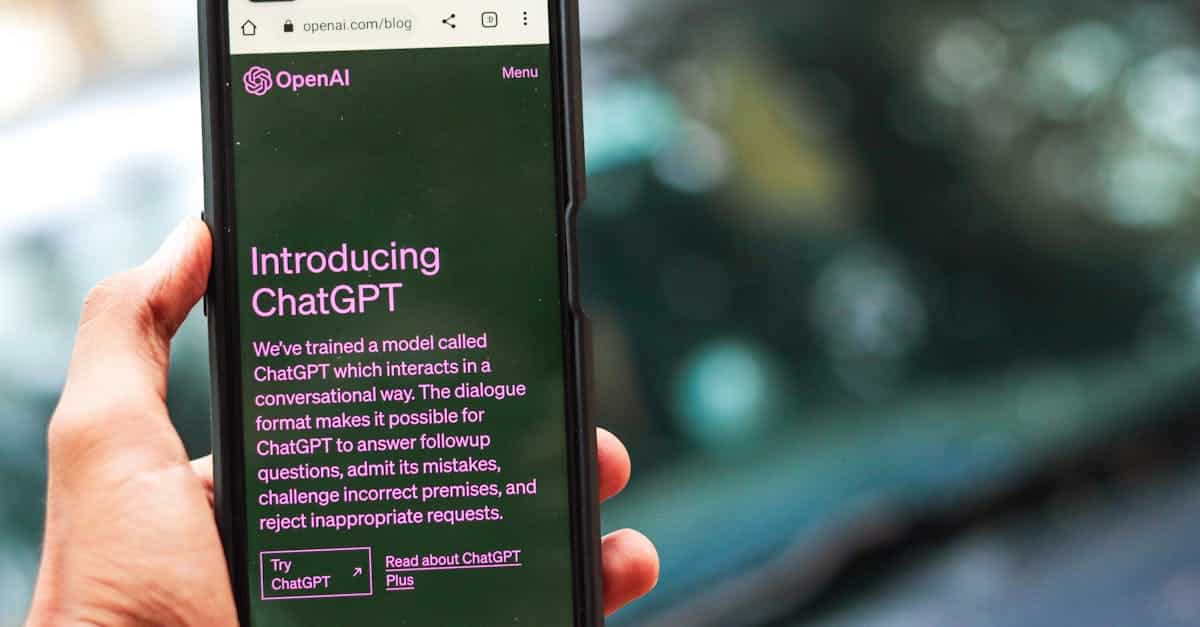
OpenAI dévoile ses plans pour faire de ChatGPT le centre de votre expérience numérique
Ce que cette fuite intrigue le plus, c’est l’ambition d’OpenAI de placer ChatGPT au cœur de toutes nos interactions numériques. Selon un document confidentiel intitulé « ChatGPT: H1 2025 Strategy », l’entreprise veut doter son IA d’une interface multimodale capable de s’intégrer dans tous les supports possibles : smartphones, ordinateurs, objets connectés, voire même via des interactions physiques à travers des appareils IoT. Résultat : ChatGPT ne sera plus un simple chatbot, mais une passerelle omniprésente, capable d’interagir avec vous par la voix, la vidéo, ou même la reconnaissance d’images. La conception d’un tel système repose sur trois piliers : un modèle d’IA utile, une interface universelle, et un système de données autoalimenté. Chaque composant joue un rôle clé dans cette stratégie de domination. La liste des usages quotidiens s’allonge — de la gestion de vos emails à l’organisation de votre emploi du temps ou la commande de vos courses. La question n’est plus « peut-on faire mieux ? », mais « comment faire pour que cette capacité devienne la norme ». Il s’agit ici de repenser entièrement la façon dont l’humain se connecte au numérique.
Les trois piliers d’une expérience numérique révolutionnaire
- Un modèle utile : GPT-4o et ses successeurs se destinent à couvrir un large spectre d’applications, du codage à la recherche avancée, en passant par l’apprentissage personnalisé. La promesse : une IA T-shaped, à la fois généraliste et experte en profondeur.
- Une interface universelle : aller au-delà des simples applications grâce à une disponibilité permanente sur tous supports : applications mobiles, desktop, sites web, commandes vocales, SMS, et intégration dans les assistants comme Siri ou Alexa.
- Un système de données en boucle fermée : une boucle de rétroaction continue basée sur les préférences des utilisateurs, pour personnaliser, améliorer, et rendre l’expérience de plus en plus fluide et naturelle.

Intégration multimodale et omniprésence : la nouvelle frontière de l’IA
Les mots clés de cette stratégie d’OpenAI sont clarté : immersion et omniprésence. L’idée centrale ? faire de ChatGPT un compagnon accessible à tout moment, en toutes circonstances. À la maison, il sera capable de gérer la musique, répondre à des questions ou proposer des recettes en utilisant la voix ou la vidéo. Sur le terrain, il pourra recommander un restaurant ou un itinéraire, en analysant des images ou en interaction avec des capteurs connectés. Au bureau, il prendra des notes, organisera des réunions, voire préparera des présentations. La force réside dans la capacité à exploiter la multimodalité : voix, images, vidéos, ou interactions physiques, pour offrir une expérience totalement fluide et naturelle. Cette approche révolutionne la relation entre l’humain et la technologie, en permettant à l’IA de « voir » et « entendre » le contexte, plutôt que de répondre simplement à un ensemble de questions. En quelques mois, cette vision risque de transformer radicalement nos habitudes. La stratégie se centre également sur l’interconnexion des appareils, pour créer une véritable symphonie d’actions automatisées, une vraie dystopie où l’expérience utilisateur devient ultra-personnalisée. Malgré les enjeux, là où certains voient une avancée, d’autres craignent une perte de contrôle ou une surcharge informationnelle. La route vers cette nouvelle ère passe par une forte coordination entre innovation technologique et respect des règles de sécurité. Pour l’instant, OpenAI travaille ses modèles pour atteindre une autonomie et une adaptabilité quasi totales, à l’image des dernières avancées en matière d’IA générative.

Vous avez un projet spécifique ?
Kevin Grillot accompagne entrepreneurs et PME en SEO, webmarketing et stratégie digitale. Bénéficiez d'un audit ou d'un accompagnement sur-mesure.
Les trois axes fondamentaux pour bâtir le super-assistant de demain
Une formule résume bien cette vision : faire de ChatGPT un « super-assistant » T-shaped, c’est-à-dire doté d’un large spectre de compétences générales et d’une expertise pointue dans des domaines précis. Pour concrétiser cette vision, OpenAI s’appuie sur trois piliers essentiels :
- Un modèle utile : La famille GPT-4o, en constante évolution, doit pouvoir traiter toutes sortes de tâches, du simple conseil à la gestion complexe de projets. La capacité à aller au-delà des métriques classiques, en intégrant une compréhension contextuelle fine, est une priorité. Par exemple, gérer le codage, l’apprentissage personnalisé ou la recherche en profondeur devient accessible à une IA en permanente évolution, capable de s’adapter en temps réel à l’utilisateur.
- Une interface omniprésente : La stratégie d’OpenAI consiste à rendre ChatGPT accessible sur toutes les surfaces : sites web, applications, gadgets connectés, et même par commandes vocales ou simples SMS, pour garantir une connexion sans faille. La compatibilité multi-supports favorise la dépendance et rend le « super-assistant » incontournable dans la vie quotidienne. Qu’on soit à la maison, en déplacement ou au travail, l’expérience reste fluide et cohérente.
- Un système de données en boucle fermée : la collecte continue des interactions permet à ChatGPT d’apprendre en permanence, améliorant ses réponses, affinant ses recommandations, et anticipant les besoins futurs. La maîtrise des préférences de chaque utilisateur devient la clé pour instaurer une expérience unique, basée sur la personnalisation continue.
| Axes stratégiques | Objectifs principaux | Exemples d’applications |
|---|---|---|
| Modèle utile 🚀 | Gérer des tâches quotidiennes et complexes | Codage, recherche, conseils, apprentissage |
| Interface universelle 🌐 | Disponibilité sur tous supports | Web, mobile, casque VR, commandes vocales |
| Système de données 🔄 | Auto-amélioration continue et personnalisation | Recommandations, ajustements en temps réel |

Le tournant du multimodal, une nouvelle étape vers une intelligence omniprésente
Ce qui se dessine pour 2025, c’est une IA capable de dépasser la simple réponse textuelle. La stratégie d’OpenAI mise sur la multimodalité : expérience intégrée où voix, images, vidéos et interactions physiques se coordonnent pour offrir un accompagnement personnalisé. Par exemple, en visitant une ville, votre AI pourrait analyser en direct une image du monument, vous donner son histoire, recommander un restaurant à proximité, puis organiser votre déplacement. La capacité à comprendre ces différents contextes et à agir en conséquence change radicalement la donne. La question est : combien de temps jusqu’à cette réalité ? La clé réside dans la capacité des modèles à traiter et associer simultanément plusieurs types de données. Au cœur de cette démarche, la plateforme ChatGPT aspire à devenir l’un des outils les plus avancés en matière d’IA générative sécurisée. Pour l’instant, OpenAI insiste sur l’importance d’une interface fluide où chaque interaction, qu’elle soit vocale ou visuelle, est intégrée dans un même flux. La sécurisation des données et la transparence restent des enjeux majeurs, notamment à l’approche de réglementations plus strictes. La montée en puissance de cette multimodalité pourrait ouvrir la porte à une expérience utilisateur quasiment intuitive, où chaque besoin est anticipé avant même qu’il ne soit formulé. La route est encore longue, mais la nomination d’un « assistant omni-actif » semble désormais inévitable dans le paysage technologique.


Les enjeux de gouvernance et de sécurité autour de cette croissance exponentielle d’OpenAI
Au-delà de la technologie elle-même, cette ambition soulève de lourdes questions en matière de gouvernance, de vie privée et de sécurité. La collecte massive de données – Une étape indispensable pour l’autoamélioration de ChatGPT – pose inévitablement le problème de la confidentialité et du respect des réglementations en vigueur. En 2025, face à la croissance de cette intelligence générative, les acteurs publics et privés doivent repenser leur cadre juridique. La transparence reste un défi majeur, notamment face à la multitude d’interactions quotidiennes qui alimentent la boucle de rétroaction. OpenAI doit également faire face à la méfiance accrue du public, craignant une exploitation abusive de leurs données personnelles, ou une dépendance croissante. La crainte d’un usage malveillant ou d’une fuite de données sensibles, comme déjà constaté dans plusieurs incidents précédents (voir cet exemple), oblige à renforcer la sécurité. La transparence sur le fonctionnement des modèles, leur éthique, et leur gouvernance devient donc primordiale pour maintenir la confiance. De plus, la compétition géopolitique autour de l’IA augmente, certains s’interrogeant déjà sur la possibilité d’exporter ou de détourner ces technologies, y compris vers des acteurs non européens ou occidentaux. La bataille pour la maîtrise de cette nouvelle révolution technologique se joue aussi dans la sphère politique, avec des implications stratégiques de plus en plus lourdes. Toute cette dynamique montre que, derrière cette course à l’innovation, la véritable question est celle de la responsabilité collective face à ce pouvoir grandissant. La sécurité de l’information et la régulation sont devenues des impératifs pour tous ceux qui aspirent à un avenir responsable dans un monde piloté par l’IA proactive et sécurisée.
Vous avez un projet spécifique ?
Kevin Grillot accompagne entrepreneurs et PME en SEO, webmarketing et stratégie digitale. Bénéficiez d'un audit ou d'un accompagnement sur-mesure.
Questions fréquentes (FAQ) sur la stratégie d’OpenAI et le futur de ChatGPT
- Quel est l’objectif ultime d’OpenAI avec ChatGPT en 2025 ?
- Transformer ChatGPT en un super-assistant omniprésent, intelligent et personnalisé, capable de s’intégrer dans tous les aspects de la vie numérique des utilisateurs.
- Quels sont les principaux enjeux liés à cette stratégie ?
- La gestion des données, la sécurité, la gouvernance éthique, ainsi que la compétition géopolitique pour la maîtrise de l’IA.
- Comment OpenAI compte-t-elle assurer la confidentialité des données ?
- En renforçant ses mesures de sécurité, en garantissant une transparence accrue, et en respectant les réglementations internationales pour protéger la vie privée.
- En quoi cette stratégie pourrait-elle défier les géants du web ?
- En proposant une interface unique, universelle, et ultra-personnalisée, capable de déployer l’IA à l’échelle globale, surpassant les moteurs de recherche classiques et les assistants vocaux.
- Quelles innovations technologiques sont attendues pour 2025 ?
- Une IA multimodale avancée, une intégration profonde avec les appareils connectés, et une capacité accrue à apprendre en boucle fermée pour une expérience utilisateur en constante amélioration.
📋 Checklist SEO gratuite — 50 points à vérifier
Téléchargez ma checklist SEO complète : technique, contenu, netlinking. Le même outil que j'utilise pour mes clients.
Télécharger la checklistBesoin de visibilité pour votre activité ?
Je suis Kevin Grillot, consultant SEO freelance certifié. J'accompagne les TPE et PME en référencement naturel, Google Ads, Meta Ads et création de site internet.

Checklist SEO Local gratuite — 15 points à vérifier
Téléchargez notre checklist et vérifiez si votre site est optimisé pour Google.
- 15 points essentiels pour le SEO local
- Format actionnable et imprimable
- Utilisé par +200 entrepreneurs


