
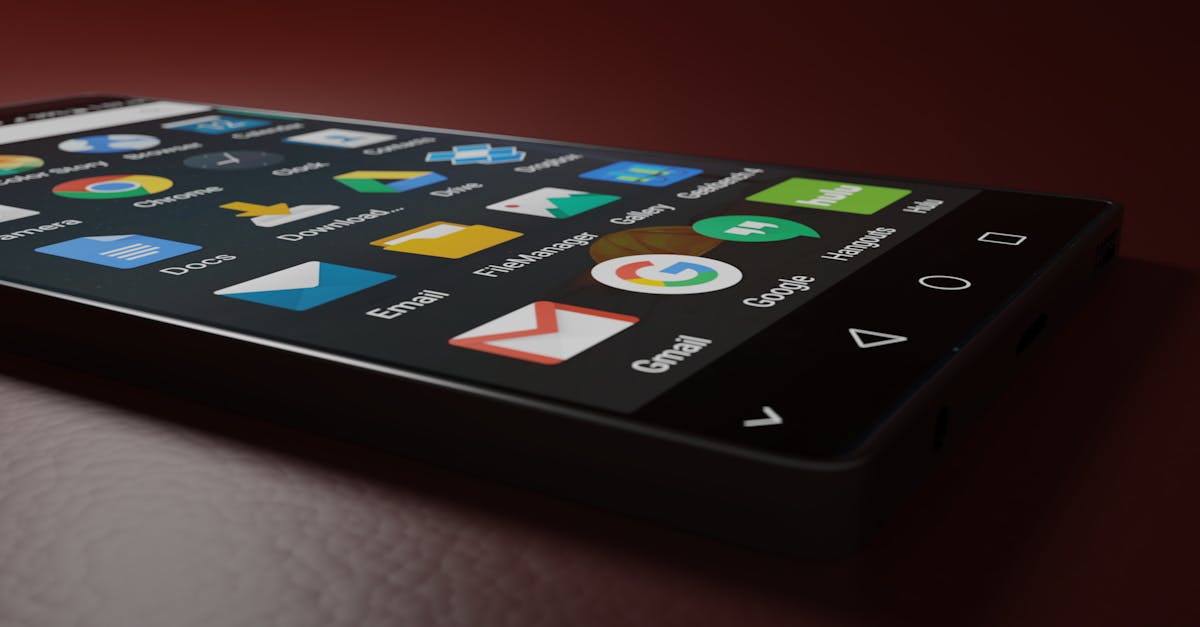
En 2025, la rivalité entre Google et Apple atteint de nouveaux sommets, poussée par les défis que rencontre l’assistant vocal Siri. Alors qu’Apple peine à déployer sa refonte majeure, baptisée Apple Intelligence, la stratégie de Google devient plus offensive que jamais. La sortie imminente du Pixel 10, avec son design futuriste et ses fonctionnalités d’intelligence artificielle avancées, sert de catalyseur à une guerre déjà déclarée. En quelques secondes, une publicité cinglante, diffusée massivement sur YouTube, se moque ouvertement des retards d’Apple à moderniser Siri, tout en vantant la supériorité de ses propres innovations. Ce contexte tendu, où chaque constructeur cherche à dominer la scène de la mobilité et de la technologie sans fil, montre bien que la bataille pour le leadership dans l’intelligence artificielle est plus que jamais en cours. La publicité de Google ne fait pas que taquiner Apple : elle prouve à quel point la compétition se joue aussi dans le scraping/la-polyvalence-du-scraping-un-outil-mille-possibilites/">marketing, en jouant la carte de l’humour et de la provoc’ pour séduire les utilisateurs frustrés. Découvrez dans cet article tous les enjeux de cette rivalité et comment chaque acteur essaie de s’imposer au sommet de l’écosystème numérique.
La stratégie audacieuse de Google face à l’échec persistant de Siri et la montée en puissance des smartphones intelligents
Depuis plusieurs années, Google s’est positionné comme le leader incontesté de l’innovation dans le domaine de l’intelligence artificielle appliquée aux smartphones. Avec ses Pixel, le géant de la tech ne se contente pas d’identifier un appareil de plus – il veut s’imposer comme l’alternative crédible face aux produits titanesques d’Apple. La dernière campagne, autour de la sortie du Pixel 10, illustre parfaitement cette stratégie : avec une vidéo d’une trentaine de secondes, Google en profite pour ridiculiser le retard de Siri, tout en mettant en avant ses fonctionnalités IA avancées. Cette publicité, marquée par une ironie mordante, ne laisse aucun doute sur ses ambitions de dominer le marché de la mobilité.
Pourquoi Google mise-t-elle tant sur cette communication contre Apple ?
- 🌐 Pour déstabiliser la perception que les utilisateurs ont d’Apple dans le domaine de l’innovation.
- 🔥 Pour prendre l’ascendant dans une bataille déjà lancée pour la domination de l’écosystème mobile.
- 🎯 Pour attirer une clientèle frustrée par l’attentisme d’Apple à révolutionner Siri.
- 🌟 Pour renforcer la crédibilité de ses modèles Gemini, qui représentent l’avenir de l’IA mobile.
- 💡 Pour encourager la transition des utilisateurs vers des smartphones mieux équipés en intelligence artificielle avancée.
Ce positionnement n’est pas anodin. À terme, Google veut occuper une place centrale dans la vie numérique de ses utilisateurs, allant bien au-delà du simple smartphone. La stratégie de communication basée sur l’humour et la provocation lui permet de se différencier, notamment en capitalisant sur la frustration alimentée par le retard d’Apple à renouveler Siri, qui reste en retrait face à la montée en puissance de ses rivaux.
Les enjeux pour le marché dans cette rivalité
| Facteurs clés | Impacts |
|---|---|
| Innovation technologique | Attirer un maximum d’utilisateurs en proposant des assistants vocaux plus efficaces, proactifs et personnalisés |
| Stratégie scraping/la-polyvalence-du-scraping-un-outil-mille-possibilites/">marketing | Utiliser la provocation et l’humour pour gagner en visibilité et marquer les esprits |
| Retards et promesses non tenues | Alimenter la frustration et susciter la suspicion autour de la fiabilité des écosystèmes Apple |
Les acteurs de la tech n’ont plus le droit à l’erreur : dans cette course effrénée, chaque milliseconde compte pour s’assurer la préférence des consommateurs. D’un côté, Google mise sur une communication qui fait mouche auprès d’un public digitalement averti. De l’autre, Apple doit rapidement convaincre avec ses nouvelles fonctionnalités intégrant Apple Intelligence, qui tardent à voir le jour. Si Apple tarde à rectifier le tir, la perte de parts de marché pourrait devenir inévitable, notamment face à une nouvelle génération de smartphones toujours plus intelligents. La guerre des assistants, clés de voûte de la mobilité moderne, ne connaît pas encore de vainqueur évident.

Siri en difficulté, Apple face à une nouvelle vague d’innovation
Le sommet technologique de la WWDC 2024 a laissé beaucoup d’amateurs sur leur faim. Apple annonçait une refonte significative de Siri avec la suite Apple Intelligence, promettant un assistant plus contextuel, proactif et très personnel. Pourtant, la réalité de 2025 témoigne d’un écart important entre les promesses et la livraison. La version annoncée, qui devait faire de Siri un compagnon numérique en phase avec l’évolution de l’IA, n’a pas encore vu le jour dans iOS 18 comme prévu. L’argument de retard, officiellement reconnu par Tim Cook en mars, montre que la firme de Cupertino ne veut pas faire de vague, mais à quel prix ? Les observateurs s’interrogent : l’attentisme d’Apple pourrait coûter cher à long terme si la tendance n’est pas inversée rapidement, surtout face à une concurrence comme Google, qui n’hésite pas à multiplier les provocations.
Les causes principales du retard de Siri
- 🔍 Difficultés techniques à intégrer une IA aussi sophistiquée dans un environnement aussi complexe qu’iOS.
- 🕰️ Stratégies de développement plus longues que prévu pour assurer la stabilité et la sécurité.
- 🌐 Manque d’innovation percutante comparée aux autres assistants IA sur le marché.
- 🙅♂️ Reticence à prendre des risques dans la mise en œuvre de nouvelles fonctionnalités révolutionnaires.
Ce manque de renouvellement a d’ailleurs incité de nombreux experts à souligner que Siri, autrefois symbole de leadership technologique, pourrait bientôt perdre de sa crédibilité. La firme aspire toujours à redorer son blason, mais le délai semble s’allonger, alimentant la frustration de ses utilisateurs et renforçant la position de Google qui affirme, par sa publicité, que l’avenir appartient désormais à ceux qui innovent vite.
Les risques pour Apple si le retard persiste
- 🚩 Perte de confiance des consommateurs, qui pourraient se tourner vers des alternatives plus modernes.
- 📉 Diminution des parts de marché dans un secteur ultra compétitif.
- 💸 Impact sur les ventes de l’iPhone, notamment si l’assistant vocal est un critère d’achat primordial.
- 🔥 Opportunité pour Google de s’imposer comme le nouvel acteur incontournable du numérique mobile.
Pour éviter ces scénarios, Apple doit prendre des initiatives concrètes rapidement, sous peine d’être dépassée par la dynamique du marché. La rivalité intensifiée autour de l’IA et des assistants vocaux témoigne d’un changement profond dans la stratégie des géants tech, où la rapidité d’innovation est devenue un facteur clé de succès. Si Apple ne parvient pas à accélérer ses développements, la question de son leadership pourrait rapidement être remise en cause.

Le palmarès des atouts de Google face à Apple dans la guerre des assistants vocaux
Les différences entre Google et Apple ne se limitent pas à leur histoire ou à leur design. La véritable différence réside dans la capacité de chaque entreprise à générer de la valeur ajoutée par l’innovation. Google, avec ses services intégrés, son écosystème IA et ses campagnes marketing percutantes, s’impose comme un acteur incontournable dans la bataille pour la maîtrise de la mobilité intelligente. Voici le tableau des principaux atouts du moteur de recherche dans cette compétition :
| Facteurs déterminants | Avantages de Google |
|---|---|
| Technologie IA | Une gamme de fonctionnalités avancées intégrant la suite Gemini, plus réactives et personnalisées. |
| Marketing provocateur | Une publicité « taquine » qui capte instantanément l’attention sur le retard de Siri, renforçant sa position de leader. |
| Intégration des services numériques | Une compatibilité transparente avec Google Maps, YouTube, Gmail, et plus encore, facilitant la vie des utilisateurs. |
| Stratégie d’innovation continue | Le déploiement constant de nouvelles fonctionnalités, avec un effort particulier dans la maroquinerie de l’IA. |
| Réactivité face aux retards | Une communication qui joue sur la frustration des utilisateurs pour mieux se positionner comme solution de référence. |
En prenant en compte ces éléments, il apparaît clairement que Google ne se limite pas à une simple course technologique : il sait aussi jouer habilement sur le terrain du marketing pour renforcer sa position. Alors que Siri continue à accumuler du retard, la firme de Mountain View ne se contente pas d’identifier ses faiblesses. Elle multiplie plutôt les offensives pour faire entendre sa voix dans un marché où innovation et rapidité sont indispensables pour la conquête du cœur des consommateurs.
Vous avez un projet spécifique ?
Kevin Grillot accompagne entrepreneurs et PME en SEO, webmarketing et stratégie digitale. Bénéficiez d'un audit ou d'un accompagnement sur-mesure.
Les enjeux pour l’avenir : comment le combat Google-Apple pourrait redéfinir la mobilité intelligente
Au-delà des querelles de gadgets et de fonctionnalités, cette compétition entre Google et Apple annonce une transformation profonde de la façon dont la technologie ancre ses racines dans notre quotidien. La mobilité ne se limite plus à un simple déplacement : elle devient une expérience numérique intégrée, où chaque interaction avec l’assistant vocal peut faire toute la différence. La guerre des assistants, si elle se joue d’abord sur le terrain du marketing, aura des répercussions majeures sur l’ensemble de l’écosystème tactique des deux géants.
Les tendances qui se dessinent pour 2025 et au-delà
- 🛠️ Un développement accéléré des fonctionnalités IA proactives, capables d’anticiper nos besoins.
- 🚀 Une intégration encore plus fluide dans les appareils, des montres connectées aux voitures autonomes.
- 🌍 La création d’un environnement numérique entièrement connecté, où chaque action est orchestrée par un assistant intelligent.
- 🤖 L’émergence de nouvelles interfaces de communication entre humains et machines, grâce à la réalité augmentée et immersive.
- ⚡ La nécessité pour chaque acteur de s’adapter rapidement ou se préparer à laisser la place à de nouveaux outsiders technologiques.
Ce contexte de compétition féroce pousse la mobilité vers un horizon où l’intelligence artificielle ne sera plus une option, mais une nécessité. La capacité à prendre rapidement l’avantage sur ses concurrents deviendra un critère stratégique majeur. Ces enjeux déterminent désormais la survie des modèles économiques traditionnels et la domination du marché mondial des smartphones intelligents et des assistants digitaux.
Source: alloforfait.fr
📋 Checklist SEO gratuite — 50 points à vérifier
Téléchargez ma checklist SEO complète : technique, contenu, netlinking. Le même outil que j'utilise pour mes clients.
Télécharger la checklistBesoin de visibilité pour votre activité ?
Je suis Kevin Grillot, consultant SEO freelance certifié. J'accompagne les TPE et PME en référencement naturel, Google Ads, Meta Ads et création de site internet.

Checklist SEO Local gratuite — 15 points à vérifier
Téléchargez notre checklist et vérifiez si votre site est optimisé pour Google.
- 15 points essentiels pour le SEO local
- Format actionnable et imprimable
- Utilisé par +200 entrepreneurs


