The Best Bots to Track to Assess Your Visibility on Language Models in 2025
In a world where large language models (LLMs) are redefining digital interaction, monitoring your content’s presence is becoming a strategic necessity. With the emergence of dedicated crawlers, such as GPTBot or Google-Extended, it’s no longer enough to focus on traditional visibility. You also need to understand how these bots collect, index, and replicate your content in their knowledge bases. In 2025, being proactive in monitoring these bots is a major asset for mastering your digital presence. This relies on a precise understanding of how they work, their objectives, and how to optimize them or, conversely, limit their impact if you want to protect your intellectual property. Between training bots that feed future models and real-time access bots for generating instant responses, there’s a veritable landscape to explore. This article guides you through this robotic jungle, showing you how to track, analyze, and leverage each automated crawl, while integrating essential tools like SEMrush and Moz. Because in this constantly evolving ecosystem, the key remains strategic monitoring and mastering your visibility.

Understanding the central role of training bots in the ecosystem of large language models
Training bots represent the cornerstone of any visibility strategy related to generative artificial intelligence. Their mission is clear: to crawl the web to create rich, diverse data corpora, often freely accessible. By 2025, these robots will silently orchestrate massive data collection, constituting the collective memory of models like GPT-4, Claude, or Mistral. But how do you know if your content is part of their collection?
Several types of training bots exist, each with its own challenges:
- 🤖 AI2Bot : a player to watch for the creation of open corpora. Its robots.txt-friendly behavior makes it a good indicator if you want to voluntarily share content.
- 🤖 Anthropic-ai : primarily targets the training of the Claude model, but remains largely unclear about its practices, making monitoring more complex.
- 🤖 Google-Extended : a massive Google bot that indexes everything, including non-traditional content, to update its own models. Its tracking allows you to measure its penetration on your site.
- 🤖 Meta-externalagent : A key platform for collecting data on Facebook or Instagram, directly influencing online visibility.
- 🤖 Bytedance (TikTok, Douyin): Known for its intensity and intrusive behavior, this bot should be monitored closely. This level of detail underscores the importance of configuring your robots.txt file. By mastering it, you can allow or block these crawlers according to your priorities. For example, block Bytespider or Meta-externalagent if you want to limit their influence. Tools like SEMrush or Ahrefs also offer dashboards to check if these bots are visiting your site and which pages are tagged. Tracking their visits with Google Analytics or solutions like BuzzSumo allows you to go beyond traditional metrics and observe their real impact. The question is no longer just whether your content is visible, but whether it becomes a pillar in building AI responses.
Discover language models, powerful tools that are transforming the way we interact with machines. Learn how they understand and generate text, revolutionizing communication and data analysis in various fields.

Constant vigilance is essential. Start by analyzing your server logs, looking for specific user agents. Most legitimate bots, like AI2Bot or CCBot, have recognized signatures. However, others, like Bytespider or Meta-externalagent, sometimes operate less transparently or in a hidden manner, complicating detection.
To strengthen monitoring, use specialized tools such as Klear or Sprout Social. These platforms allow you to observe your site’s traffic in real time, filtering by bots and assigning a priority for their analysis. By combining this approach with reports from SEMrush or Moz, you gain a clear view of the contribution these bots make to your digital reputation. Finally, by adjusting your robots.txt rules or using noindex/nofollow meta tags, you control the scope of their collection. The strategy is to balance transparency and protection according to your industry.
Real-time access bots: the key to maximizing your visibility in AI responses

While training bots fuel the future, those active during a user query play an immediate role. In 2025, these agents have become essential for providing precise and contextual answers to the user. The difference? Their more selective and targeted behavior. They crawl a few relevant pages, then inject quotes or excerpts into the model’s response. This practice generates instant visibility, which can make all the difference in your SEO strategy.
Here is a list of these trending agents:
🧭
- ChatGPT-User : When browsing is activated, this bot will crawl Bing to provide answers in real time. 🧭
- Claude-Web : The web version of the Claude bot, which retrieves excerpts to build a contextualized response. 🧭
- Perplexity-User : Author of sourced answers, with a strong focus on information density. 🧭
- OAI-SearchBot : OpenAI’s search bot integrated into ChatGPT, creating a bridge between search and instant response. 🧭
- DuckAssistBot : Specializing in search for DuckDuckGo, it prioritizes privacy and speed. By integrating these agents into your strategy, you maximize your chances of appearing in featured snippets or citations, essential for modern visibility. The key is to adapt your content so that it is easily accessible, structured, and rich in relevant keywords, using tools like Buffer or SocialBee to publish and promote your content effectively. For example, a simple standard is to structure your data with h1-h2 tags and enriched metadata. Furthermore, tracking in Google Analytics and using specialized tools allows you to measure the impact of these agents and adjust your content accordingly. The question remains: are you ready to bring your content to life in real time?
https://www.youtube.com/watch?v=qixZQdfqBqE Optimize your content management to leverage or limit AI bot collection Knowing how to control the visibility of your content in the face of these bots is becoming crucial. In 2025, strategic management of the robots.txt file, combined with meta tags, can strengthen your ranking or, conversely, protect your sensitive assets. The first step is to conduct a thorough audit of your site, identifying the pages, datasets, or media that need to be made accessible or isolated.
Vous avez un projet spécifique ?
Kevin Grillot accompagne entrepreneurs et PME en SEO, webmarketing et stratégie digitale. Bénéficiez d'un audit ou d'un accompagnement sur-mesure.
🔒 Block unwanted bots via robots.txt or a firewall, particularly Bytespider or Meta-externalagent.
🔑 Use noindex or nofollow tags to prevent the reuse of sensitive content.
📊 Structure data with schema.org tags to make it more easily exploitable by positive bots.
- 🛡️ Regularly monitor access via Google Analytics or tools like Hootsuite to adjust your rules if necessary.
- These actions allow you to take full control of your digital footprint in the context of AI. Furthermore, integrating these practices into your SEO strategy, in conjunction with in-depth analyses via SEMrush or Ahrefs, ensures proactive reputation management. The key is to balance openness for legitimate search bots with confidentiality for your strategic content. Discover language models, how they work, their applications, and how they transform communication and artificial intelligence. Explore the recent advances and challenges of this fascinating technology. Continuously analyze and adjust with monitoring and reporting tools Regular monitoring of bot crawls is becoming a necessity. In 2025, the best approach is to harness the power of tools like Buffer, SocialBee, or Sprout Social to automate and centralize monitoring. By combining this approach with Google Analytics or specialized solutions like Ringover, you gain a precise view of bot visits and their impact. Here are some recommendations for effective analysis: 📈 Monitor server logs to identify user agents and abnormal behavior.
- 🔍 Analyze the frequency and origin of visits to detect any suspicious activity.
- 📊 Compare your bounce or conversion rates during periods of increased bot activity.
📝 Adapt your content strategy accordingly, prioritizing pages that generate the most citations or references in AI responses.
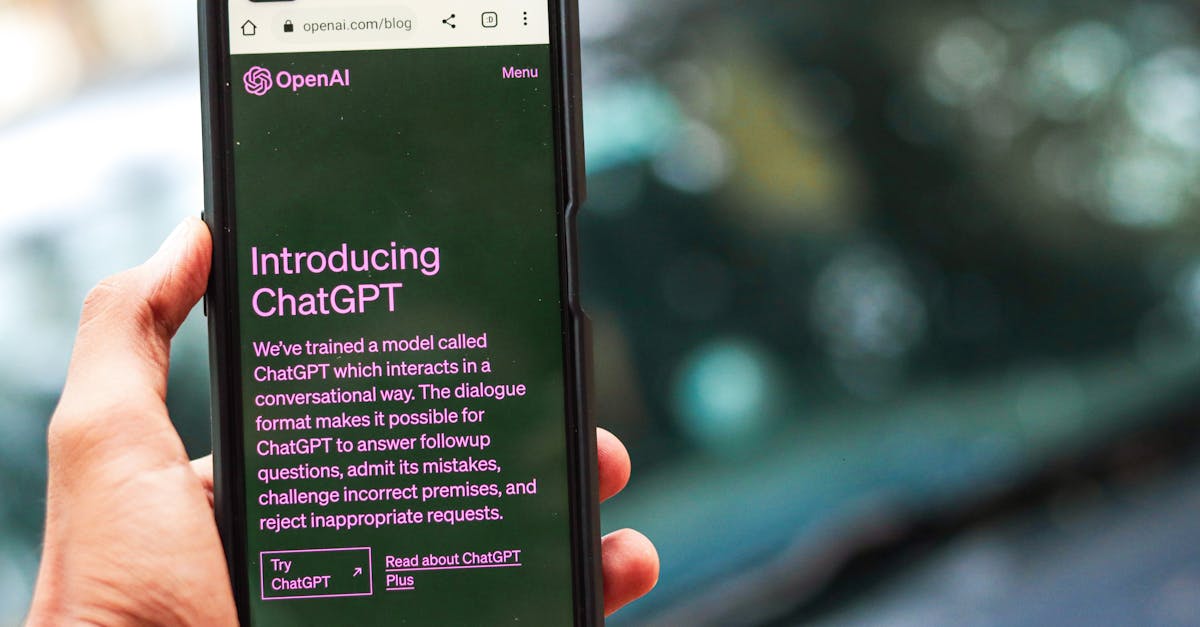

Finally, remember that the key lies in continuous responsiveness, integrating both technical monitoring and editorial optimization. Ultimately, it is this strategic responsiveness that will guarantee your visibility on a web where artificial intelligence plays a predominant role.
Discover the world of language models: advanced artificial intelligence systems capable of understanding and generating human language. Explore their applications, from machine translation to content creation.
Frequently asked questions about bots to monitor to assess your visibility
- How can I tell if my content is being exploited by training bots?
- By regularly analyzing your logs and using tools like SEMrush or Moz to identify the presence of specific user agents. Configuring robots.txt is also essential to limit or allow their access.
- Can real-time access bots harm my SEO strategy?
- They can potentially prioritize your content in snippets or quotes, which is beneficial. However, uncontrolled overexposure can also drive away some content owners, hence the importance of properly configuring their controls.
- Should you block all training bots?
Not necessarily. If you want to contribute to the AI ecosystem or benefit from indirect visibility, only allow robots.txt-compliant bots like AI2Bot or CCBot. Otherwise, blocking is recommended to protect your property or sensitive data.

SEMrush, Moz, Ahrefs, and Google Analytics remain the essentials. Add to this dashboards on Hootsuite, Buffer, or SocialBee for consolidated and responsive management.
- How can I strengthen the protection of my content against AI harvesting?
- By combining robots.txt, noindex/nofollow tags, and log monitoring, securing with a firewall or specialized tools also limits risks.
📋 Checklist SEO gratuite — 50 points à vérifier
Téléchargez ma checklist SEO complète : technique, contenu, netlinking. Le même outil que j'utilise pour mes clients.
Télécharger la checklistBesoin de visibilité pour votre activité ?
Je suis Kevin Grillot, consultant SEO freelance certifié. J'accompagne les TPE et PME en référencement naturel, Google Ads, Meta Ads et création de site internet.

Checklist SEO Local gratuite — 15 points à vérifier
Téléchargez notre checklist et vérifiez si votre site est optimisé pour Google.
- 15 points essentiels pour le SEO local
- Format actionnable et imprimable
- Utilisé par +200 entrepreneurs