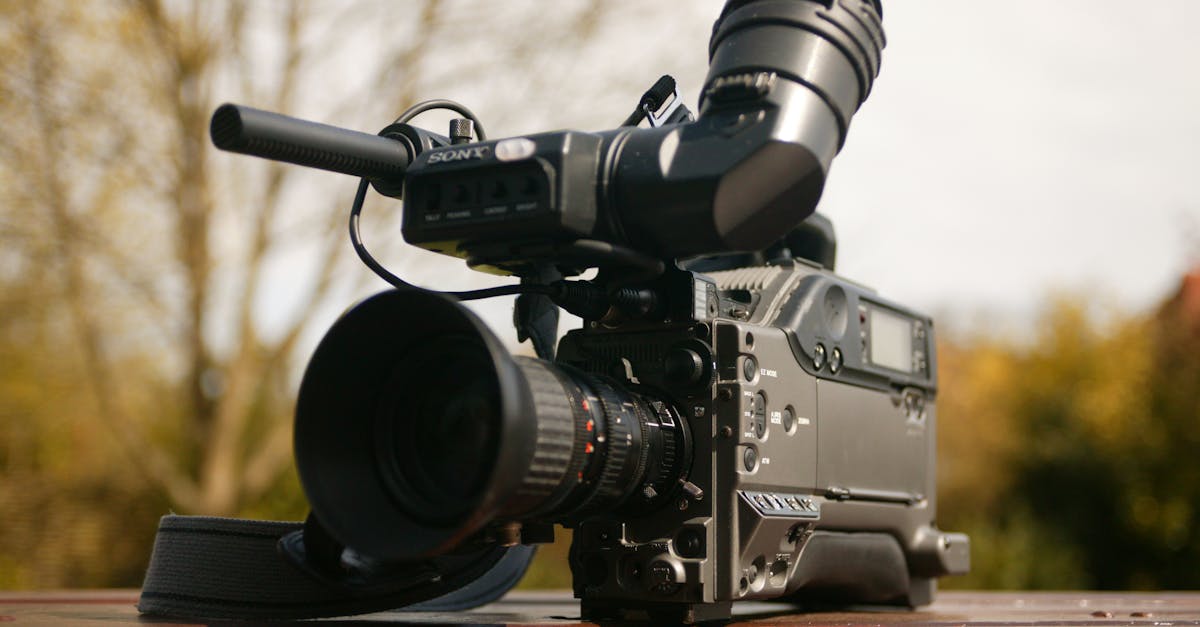
En pleine explosion, le contenu vidéo ne cesse de séduire tant les internautes que les moteurs de recherche, surtout en 2026 où l’ascension de l’IA générative redéfinit les règles du jeu. La vidéo, aujourd’hui, ne se contente plus d’être un simple support visuel ; elle devient une pièce maîtresse dans toute stratégie numérique. Les plateformes comme YouTube, qui en 2025 totalisaient près de 76% du volume de données mobiles mondiales grâce à leur format facilement consommable, dominent toujours le paysage digital. Mais l’intérêt dépasse désormais le simple visionnage : l’intelligence artificielle s’empare de ces contenus pour enrichir ses bases de connaissance et améliorer ses réponses. Les IA génératives, telles que ChatGPT ou Perplexity, intègrent de plus en plus les vidéos dans leur processus de réponse, ce qui rend leur optimisation essentielle pour toute démarche scraping/la-polyvalence-du-scraping-un-outil-mille-possibilites/">marketing ou entrepreneuriat/testez-lentrepreneuriat-pendant-vos-etudes/">création de contenu. Environ 200 fois plus souvent citées dans les résultats de recherche liés à la vidéo, ces plateformes révèlent un potentiel énorme pour augmenter la visibilité. La question n’est plus de savoir si la production vidéo doit être optimisée, mais comment le faire efficacement pour que chaque contenu devienne une véritable source d’engagement utilisateur et d’analyse données. La clé réside dans une stratégie affinée, mêlant créativité, technicité et adaptation aux exigences des algorithmes d’IA — un défi passionnant pour les professionnels qui souhaitent tirer parti de cette croissance exponentielle. Découvrez comment maximiser l’efficacité vidéo dans cette nouvelle ère, en adoptant les astuces, stratégies et outils indispensables pour dominer le référencement et éveiller l’intérêt des IA génératives.
Comprendre le référencement des vidéos dans l’IA générative pour renforcer la visibilité
Dans un monde où l’intelligence artificielle influence chaque aspect du entrepreneuriat/lart-du-scaling-boostez-votre-business/">scraping/la-polyvalence-du-scraping-un-outil-mille-possibilites/">marketing digital, la compréhension du référencement vidéo devient incontournable. Partons sur de bonnes bases : en 2026, la majorité des plateformes d’IA, comme AI Overviews ou AI Mode, utilisent des techniques avancées pour extraire et synthétiser des contenus vidéo. Concrètement, Google, par exemple, exploite désormais la technique appelée « Query Fan-out ». Il s’agit de diviser une requête complexe en plusieurs sous-requêtes afin de repérer les extraits les plus pertinents dans les vidéos, puis de synthétiser ces éléments dans les réponses proposées par l’IA. Autrement dit, si vous souhaitez que vos vidéos soient citées dans ces réponses, il faut optimiser leur contenu pour correspondre à ce processus.
Les vidéos intégrées à ChatGPT ou Perplexity en témoignent : ces IA peuvent désormais lire des vidéos YouTube directement dans une fenêtre de chat ou en interroger les APIs pour extraire le titre, la description, la transcription, même les chapitres de la vidéo. Par exemple, ChatGPT, utilisant la méthode de « Reciprocal Rank Fusion », agrège les passages en fonction de leur importance dans différents classements pour fournir une réponse précise et hautement contextualisée. Mais attention à ne pas se limiter à la simple présence de la vidéo. La structuration, la sémantique et l’originalité du contenu textuel associé jouent un rôle capital pour que ces systèmes en extraient toute la richesse.
De nombreux éléments impactent cette visibilité : le titre, la description, les chapitres, la transcription, les données structurées (schema.org / VideoObject) ainsi que l’engagement autour de la vidéo (partages, embeds, citations). Il faut donc bâtir une stratégie globale dans laquelle chaque point contribue à renforcer l’indexation. Pour faire simple, il ne suffit plus d’avoir une vidéo pertinente ; il faut lui donner une couche textuelle et sémantique robuste afin que l’IA puisse la comprendre, l’interpréter et surtout, s’en servir pour alimenter ses réponses. À ce sujet, il est intéressant de noter qu’intégrer une transcription complète en anglais ou en français, dans le contenu vidéo, permet un véritable saut qualitatif dans la compréhension de la vidéo par l’IA générative, dont le rôle est de fournir des réponses manifestement à forte valeur ajoutée.
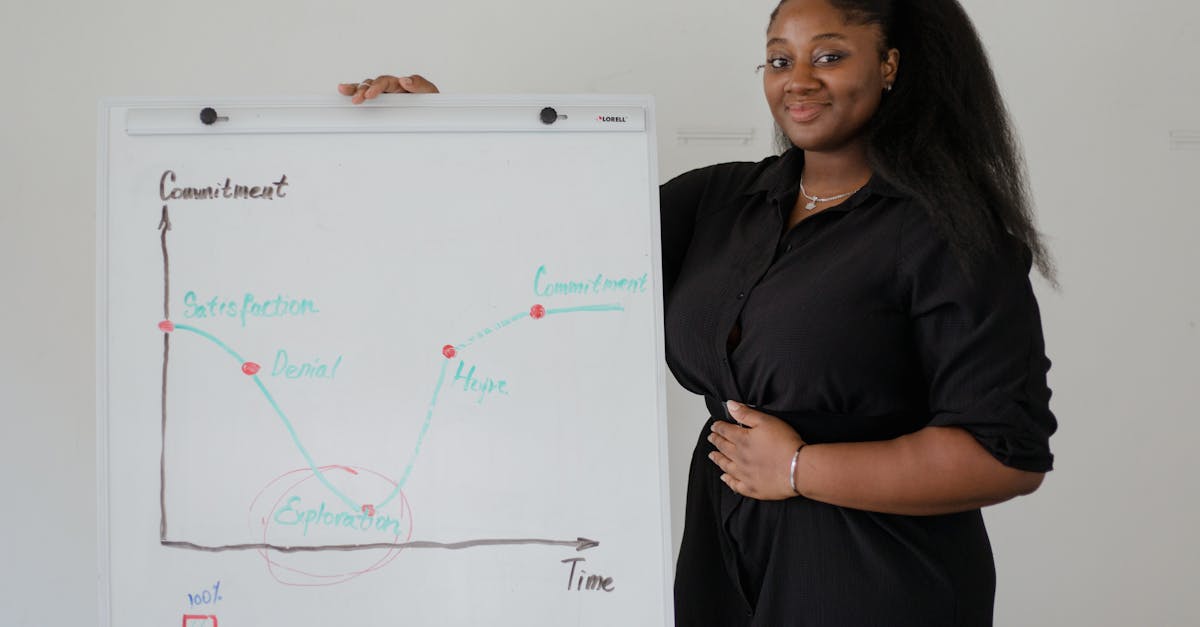
Stratégies d’optimisation pour une production vidéo performante dans l’ère de l’IA générative
Pour maximiser l’efficacité vidéo, il ne suffit pas de produire une vidéo attrayante ; il est crucial d’adopter une véritable stratégie d’optimisation. La première étape consiste à soigner le titre et la description, en évitant l’approche purement marketing pour privilégier une formulation descriptive, claire, et orientée SEO. Par exemple, progressez d’un titre sensationnaliste comme « La vérité sur le SEO que personne ne vous dit » à un intitulé informatif : « Comment fonctionne l’indexation Google en 2026 (SEO, IA, AI Overviews) ». Une description détaillée, intégrant des mots-clés précis, est aussi indispensable pour renforcer la contextualisation et faciliter la compréhension par l’IA.
Les chapitres jouent aussi un rôle stratégique : segmenter la vidéo en sections claires et structurées permet à l’IA d’extraire facilement des passages précis, ce qui accroît la probabilité d’être cité pour une question spécifique. Cette démarche, connue sous le nom de structuration, est une réponse directe au mécanisme de « query fan-out ». La création de sous-titres natifs, qui intègrent naturellement des mots-clés, contribue à enrichir la couche sémantique de la vidéo. En pratique, des outils comme l’optimisation LLM / SEO / IA géo permettent de mieux cibler ces aspects et d’assurer une compatibilité optimale avec l’algorithme de l’IA.
Ensuite, la création de liens entre contenu vidéo et articles de blog, newsletters ou pages ressources est une tactique puissante. Lorsqu’une vidéo est incluse dans un contexte éditorial riche en texte, elle devient automatiquement plus accessible pour l’IA qui cherche à fournir des réponses complètes et sourcées. Bruno Santos, expert en SEO, insiste sur le fait que l’« IA ne cherche pas la vidéo more » mais la source textuelle, riche, structurée et sémantiquement cohérente. Conséquence : le contenu doit évoluer en un véritable objet de référence dans votre stratégie de visibilité digital.
| Éléments clés pour maximiser l’efficacité vidéo | Impact pour l’IA générative |
|---|---|
| Transcription complète et précise | Meilleure compréhension et indexation des contenus |
| Structuration par chapitres | Extraction aisée et ciblée des passages pertinents |
| Données structurées (Schema.org) | Amélioration de la visibilité dans les extraits |
| Mots-clés dans titres et descriptions | Optimisation pour l’efficacité vidéo dans les réponses IA |
| Liens contextuels dans contenu écrit | Renforcement de la fiabilité et de la crédibilité |
Ce tableau souligne l’interconnexion entre éléments techniques, sémantiques et stratégiques, essentiels pour tirer parti des vidéos dans un environnement IA en constante évolution.

Automatisation et analyse données pour optimiser la production vidéo
Une des clés pour rester pertinent dans cet environnement numérique en pleine mutation consiste à exploiter pleinement l’automatisation et l’analyse de données. Des outils modernes permettent de suivre en temps réel les performances de chaque vidéo : taux de visualisation, engagement utilisateur, temps de visionnage, taux de clics, partages et commentaires. La collecte de ces indicateurs help à ajuster rapidement la stratégie.
Grâce à ces analyses, il devient possible d’identifier les sujets qui suscitent le plus d’intérêt ou celles qui nécessitent des ajustements pour améliorer la visibilité et l’impact. Par exemple, en utilisant Google Trends IA Gemini, on peut détecter en temps réel les tendances émergentes et adapter immédiatement la production vidéo. Une veille régulière et une méthode agile deviennent alors indispensables pour suivre ces évolutions.
En pratique, cette démarche implique aussi la mise en place d’un processus d’automatisation de la publication, du transcodage et de l’optimisation systématique du contenu. Plus ces processus seront fluides, plus les contenus seront pertinents et alignés avec les attentes de l’IA qui valorise la régularité, la cohérence et l’engagement. Le but ultime ? aller au-delà des métriques classiques pour utiliser ces données comme leviers d’ajustement continu et d’amélioration constante.
Vous avez un projet spécifique ?
Kevin Grillot accompagne entrepreneurs et PME en SEO, webmarketing et stratégie digitale. Bénéficiez d'un audit ou d'un accompagnement sur-mesure.
Adopter un workflow stratégique pour création et diffusion de vidéos en 2026
Pour tirer pleinement parti des stratégies vidéo dans l’ère de l’IA générative, il faut organiser un workflow cohérent, pensé pour maximiser chaque étape. Cette approche doit englober la conception, la production, l’optimisation, la diffusion et l’analyse en un processus fluide. Dans ce contexte, l’intégration d’outils d’automatisation est cruciale : gestion des titres, optimisation des descriptions, segmentation automatique en chapitres, transcription complète, intégration des données structurées, tout doit être orchestré pour éviter de perdre du temps et garantir la cohérence.
Une étape essentielle consiste à mettre en place un dispositif d’évaluation continue. En surveillant régulièrement les performances via des dashboards adaptés, on peut rapidement ajuster la spatialisation des mots-clés, la durée des segments ou la fréquence de publication. L’objectif est d’instaurer une boucle d’amélioration constante, exploitant la richesse des données pour affiner la stratégie vidéo.
Enfin, ne pas négliger la contextualisation éditoriale. Incorporer la vidéo dans des articles, newsletters ou pages ressources permet de renforcer sa visibilité sémantique. L’usage combiné de ces éléments crée un environnement favorable à l’optimisation des contenus et à leur indexation par les systèmes d’IA, notamment via la structuration des données et le référencement naturel localisé (SEO local et géo-IA). La synergie entre création, diffusion et analyse constitue donc la véritable clé pour dominer cette nouvelle vague de contenus vidéo.
Source: www.journaldunet.com
📋 Checklist SEO gratuite — 50 points à vérifier
Téléchargez ma checklist SEO complète : technique, contenu, netlinking. Le même outil que j'utilise pour mes clients.
Télécharger la checklistBesoin de visibilité pour votre activité ?
Je suis Kevin Grillot, consultant SEO freelance certifié. J'accompagne les TPE et PME en référencement naturel, Google Ads, Meta Ads et création de site internet.

Checklist SEO Local gratuite — 15 points à vérifier
Téléchargez notre checklist et vérifiez si votre site est optimisé pour Google.
- 15 points essentiels pour le SEO local
- Format actionnable et imprimable
- Utilisé par +200 entrepreneurs