

À l’heure où le marché du travail connaît des mutations rapides et profondes, l’apprentissage se présente comme une voie incontournable pour ceux qui souhaitent s’adapter et saisir de nouvelles opportunités. Depuis plusieurs années, cette formule de formation se développe à un rythme soutenu, triplant presque son nombre de contrats depuis la loi « Pour la liberté de choisir son avenir professionnel » en 2019. En 2023, le cap des 980 000 contrats a été atteint, consolidant la place de l’alternance dans l’écosystème professionnel français. Elle ne se limite pas à une simple formule d’insertion, mais devient un véritable levier pour la reconversion, l’entrepreneuriat, et l’inclusion sociale. Dans cet environnement en pleine mutation, il est essentiel de comprendre comment l’apprentissage se positionne comme une passerelle stratégique vers l’emploi, tout en offrant la possibilité de rebâtir sa carrière dans un contexte en constante évolution.
Sommaire
- Les enjeux fondamentaux de l’apprentissage pour la relance de l’emploi en 2025
- Les bénéfices de l’apprentissage pour la reconversion professionnelle
- Le rôle de l’apprentissage dans l’entrepreneuriat et l’inclusion
- Les dispositifs, acteurs et innovations du système d’apprentissage
- Foire aux questions : tout ce qu’il faut savoir sur l’apprentissage en 2025

Pourquoi l’apprentissage constitue une réponse efficace aux défis de l’emploi en 2025
Ce qui distingue l’apprentissage, c’est sa capacité à répondre aux enjeux conjoncturels et structurels du marché du travail. La grande flexibilité offerte par cette voie de formation permet d’adapter rapidement ses compétences aux besoins changeants des entreprises. En un mot, c’est une réponse concrète à la crise de l’emploi et au déficit de compétences.
Le contexte économique de 2025, marqué par une digitalisation accélérée et la transition écologique, exige des profils plus polyvalents et immédiatement opérationnels. L’apprentissage permet de former sur le terrain, avec une immersion dans la réalité de l’entreprise, favorisant ainsi une transition plus fluide vers l’emploi. Selon les statistiques, 70 % des apprentis décrochent un poste dès la fin de leur formation contre seulement 50 % dans la formation académique classique.
Les entreprises, conscientes des enjeux de compétitivité et d’innovation, jouent un rôle majeur dans cette dynamique. Elles multiplient les contrats pour répondre à leurs besoins en talents spécifiques, notamment dans des secteurs en tension comme la maintenance, le numérique ou encore la transition énergétique.
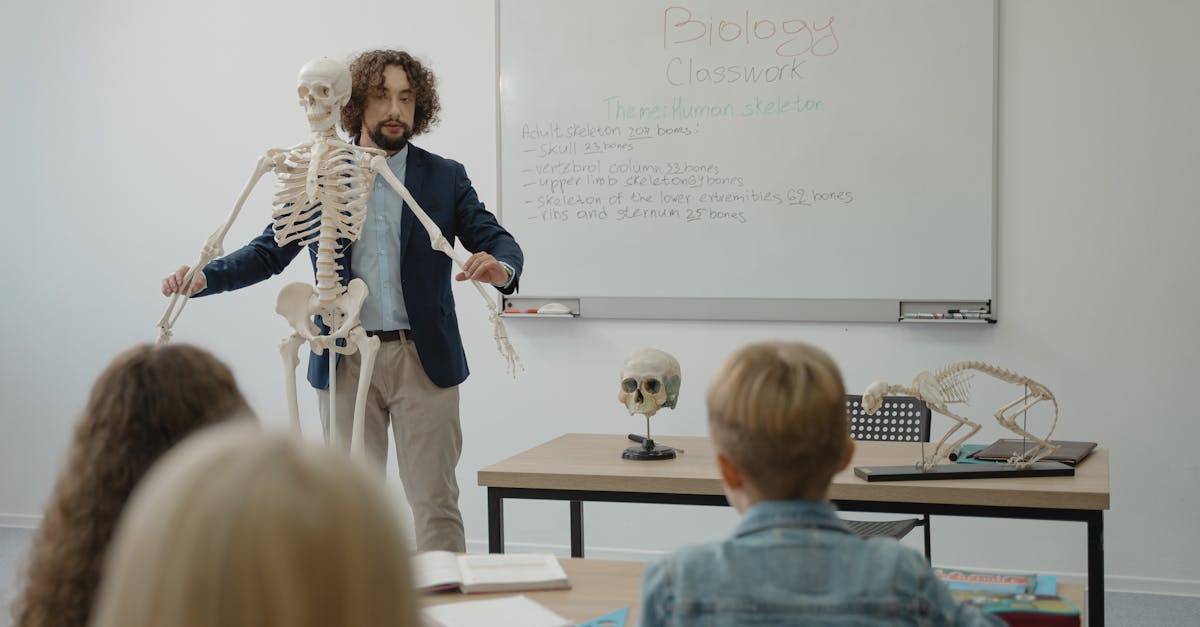
Les enjeux clés de l’apprentissage pour l’insertion durable
Le développement de l’apprentissage en 2025 ne se limite pas à une simple réponse à la demande immédiate du marché. Il s’inscrit dans une stratégie de long terme pour assurer une intégration durable des jeunes et des adultes en reconversion. L’intégration progressive des compétences, la professionnalisation accélérée et l’accompagnement personnalisé jouent un rôle central dans la réussite des parcours.
Les dispositifs modernes, tels que ceux proposés par des acteurs comme Pôle Emploi ou l’AFPA, proposent désormais des parcours combinant formation pratique, accompagnement psycho-social et montée en compétences numériques. La création de membres de réseaux professionnels permet également de faciliter la transition entre formation et emploi.
De plus, la montée en puissance de l’apprentissage dans le secteur tertiaire, le bâtiment ou encore l’industrie prévoit une répartition équilibrée entre jeunes et adultes en reconversion. Notons que l’État et les collectivités locales investissent massivement pour soutenir cette dynamique, notamment par des financements renforcés et la promotion de l’alternance comme vecteur d’insertion.
| Type de contrat | Public concerné | Durée moyenne | Pourcentage d’embauche à la sortie | En savoir plus |
|---|---|---|---|---|
| Contrat d’apprentissage | Jeunes 16-29 ans, sans limite d’âge en situation de handicap | 1 à 3 ans | 70% en emploi | Découvrir le contrat d’apprentissage |
| Contrat de professionnalisation | Jeunes 16-25 ans, demandeurs d’emploi, adultes en reconversion | 6 mois à 1 an | 60-65% en emploi | Les opportunités en alternance |

Les bénéfices de l’apprentissage pour la reconversion professionnelle en 2025
Près de 16 % des actifs en reconversion en 2025 choisissent l’apprentissage comme voie privilégiée. La flexibilité offerte par ce type de contrat, couplée à l’accès à des formations financées, en fait une option de choix. Cette démarche permet non seulement de se former à un métier aquis plus rapidement, mais aussi de bénéficier d’un cadre sécurisé tout en étant salarié.
De nombreux dispositifs, comme le dispositif Pro-A, sont adaptés aux salariés en CDI, qui souhaitent évoluer ou changer radicalement de voie. À l’échelle nationale, des structures telles que le CNAM ou OpenClassrooms proposent des formations reconversion associant modules courts, MOOC Francophone ou certifications professionnelles.
Concrètement, ces parcours offrent l’occasion aux adultes de développer de nouvelles compétences, notamment dans la digitalisation, la gestion de projet ou encore la transition écologique, en évitant les obstacles liés à la formation classique. La capacité à s’adapter rapidement devient un véritable avantage stratégique sur le marché professionnel.

Les clés pour réussir sa reconversion en utilisant l’apprentissage
- 🎯 Identifier ses compétences transférables et ses aspirations
- 📝 Choisir la formation adaptée grâce à des structures comme le CNAM ou Les Compagnons du Devoir
- 💼 Bénéficier de l’accompagnement personnalisé et du mentorat
- 💪 S’appuyer sur des plateformes comme Coursera ou Skillsoft pour compléter sa formation
- 🚀 Se lancer dans des projets concrets ou entrepreneurial.s
Une autre étape stratégique consiste à prendre le risque de s’investir dans des formations centrées sur des secteurs porteurs : numérique, énergies renouvelables ou artisanat durable. Par ailleurs, la réussite passe aussi par la mobilisation d’acteurs locaux tels que Cap Agir ou CFA qui offrent un assistance concrète et un accompagnement sur mesure.
Vous avez un projet spécifique ?
Kevin Grillot accompagne entrepreneurs et PME en SEO, webmarketing et stratégie digitale. Bénéficiez d'un audit ou d'un accompagnement sur-mesure.
Le rôle de l’apprentissage dans l’entrepreneuriat et l’inclusion sociale en 2025
Dans un contexte où l’entrepreneuriat s’impose comme une solution pour répondre à la fois aux défis sociaux et économiques, l’apprentissage joue un rôle clé dans la création ou la reprise d’une activité. La possibilité de se former tout en étant salarié permet de limiter les risques financiers tout en acquérant une expérience précieuse.
Les jeunes, souvent éloignés de l’emploi ou issus de quartiers prioritaires, trouvent dans l’apprentissage un outil d’émancipation et d’autonomie. Le dispositif prépa-apprentissage ou encore le programme « Les !ngénieuses » de la FIPA offrent concrètement des opportunités pour s’insérer dans des filières techniques ou industrielles et évoluer vers des cursus d’ingénierie ou d’entrepreneuriat.
Une autre facette essentielle concerne l’accompagnement à la création d’entreprise. La formule de l’apprentissage, par ses modalités flexibles, permet de suivre une formation spécialisée tout en développant son projet entrepreneurial. Des structures comme Cap Agir ou les CFA sont à même d’encadrer ces parcours d’innovation, dans une logique d’inclusion et de développement économique.

Les leviers d’inclusion grâce à l’apprentissage en 2025
- 🎯 Favoriser l’accès aux métiers techniques pour les publics éloignés de l’emploi
- 🤝 Créer des ponts entre formation et emploi par des dispositifs comme la prépa-apprentissage
- 🌱 Développer des filières durables et innovantes, notamment dans le secteur des énergies renouvelables
- 📈 Soutenir la création d’entreprise par des dispositifs comme le contrat d’apprentissage entrepreneurial
- 💼 Promouvoir la diversité dans tous les secteurs en intégrant davantage de jeunes issus de quartiers prioritaires

Les acteurs et les innovations qui façonnent le système d’apprentissage en 2025
L’année 2025 voit un renouveau dans l’offre de formation grâce à l’émergence de nouveaux acteurs et à la digitalisation des dispositifs. La plateforme Séxeur Poussins-Métier illustre cette dynamique, en chefs-d’œuvre de la certification en ligne et de l’accompagnement personnalisé.
Les institutions comme le CFA ou le CNAM renforcent leur rôle en proposant des formations hybrides, entre présentiel et digital. OpenClassrooms, Skillsoft ou Coursera ouvrent de nouvelles possibilités pour s’autoformer, obtenir des certifications et valoriser ses compétences au-delà des diplômes classiques.
Cette révolution numérique, associée à une meilleure prise en compte des enjeux sociaux, favorise une ouverture large à tous les profils, y compris ceux en situation de handicap ou en reconversion. La collaboration entre acteurs publics, privés et associatifs permet d’étendre l’accès à une formation de qualité, à tout âge, partout en France.
Les innovations à suivre pour 2025
- 🎯 Plateformes adaptatives avec IA pour une personnalisation accrue
- 🤝 Développement d’incubateurs et de pépinières d’entreprises intégrant la formation
- 🌱 Partenariats entre acteurs locaux, entreprises et État pour un soutien renforcé
- 🚀 Explosion des MOOC Francophone et des formations courtes certifiantes
- 💡 Insertion de modules en compétences transverses : numérique, gestion de projet, développement durable

Foire aux questions sur l’apprentissage en 2025
- Quelle différence entre contrat d’apprentissage et contrat de professionnalisation ?
- Quels sont les secteurs porteurs en 2025 pour l’apprentissage ?
- Comment l’État soutien-t-il l’apprentissage en 2025 ?
Source: rebondir.fr
📋 Checklist SEO gratuite — 50 points à vérifier
Téléchargez ma checklist SEO complète : technique, contenu, netlinking. Le même outil que j'utilise pour mes clients.
Télécharger la checklistBesoin de visibilité pour votre activité ?
Je suis Kevin Grillot, consultant SEO freelance certifié. J'accompagne les TPE et PME en référencement naturel, Google Ads, Meta Ads et création de site internet.

Checklist SEO Local gratuite — 15 points à vérifier
Téléchargez notre checklist et vérifiez si votre site est optimisé pour Google.
- 15 points essentiels pour le SEO local
- Format actionnable et imprimable
- Utilisé par +200 entrepreneurs


