
Découvrir le pouvoir insoupçonné du prompting pour le SEO : 4 exemples peu courants qui font la différence
Dans un monde numérique en constante évolution, où chaque détail peut influencer la visibilité d’un site, savoir exploiter les techniques de prompting IA devient essentiel pour dépasser la concurrence. En 2025, la maîtrise du prompting peu fréquent s’impose comme un levier stratégique pour optimiser le référencement. Les marketeurs, webmasters et stratèges digitaux doivent aller au-delà des méthodes classiques pour innover et se démarquer. Avec Brandee, WebÉvolue et autres acteurs du secteur qui placent la créativité et la précision au centre de leur démarche, il est possible de transformer une simple requête en une arme redoutable. En utilisant des prompts atypiques, chaque professionnel peut générer du contenu plus pertinent, structuré, et surtout, aligné avec les attentes des moteurs de recherche modernes, comme Google ou Bing, qui évoluent rapidement. Ce guide vous propose quatre exemples peu fréquentés mais puissants, qui permettent de booster la stratégie SEO et d’insuffler une nouvelle dynamique à vos projets de référencement. Il ne s’agit pas de recettes miracles, mais d’astuces concrètes pour vous inspirer à innover dans chaque étape de votre stratégie de contenu, de votre optimisation technique ou encore de votre analyse de données.


Utiliser le prompting structuré pour générer des balises Title & Meta ultra ciblées
Les balises Title et Meta description jouent un rôle clé dans le référencement, mais leur création peut vite devenir répétitive et peu performante si l’on se contente de suivre des modèles standard. Partons sur de bonnes bases en intégrant des exemples structurés dans le prompting. Au lieu de demander simplement : « Rédige une balise title pour une page sur l’assurance chien », on peut opter pour un prompting peu fréquent mais stratégique : inclure des exemples concrets de balises performantes dans votre secteur, puis demander à l’IA de s’en inspirer tout en respectant des contraintes SEO précises. Par exemple, fournir un tableau de {marque : Bulle Bleue, Assur O’Poil, SantéVet} et leurs balises respectives, puis demander de générer une nouvelle balise pour Abondance en respectant le ton, la longueur, et les mots-clés ciblés. Cette méthode permet d’obtenir une réponse plus fine, adaptée à la niche, et plus susceptible d’attirer le clic. Elle évite aussi de tomber dans des généralisations, en renforçant la cohérence de votre univers de marque, tout en gagnant du temps.
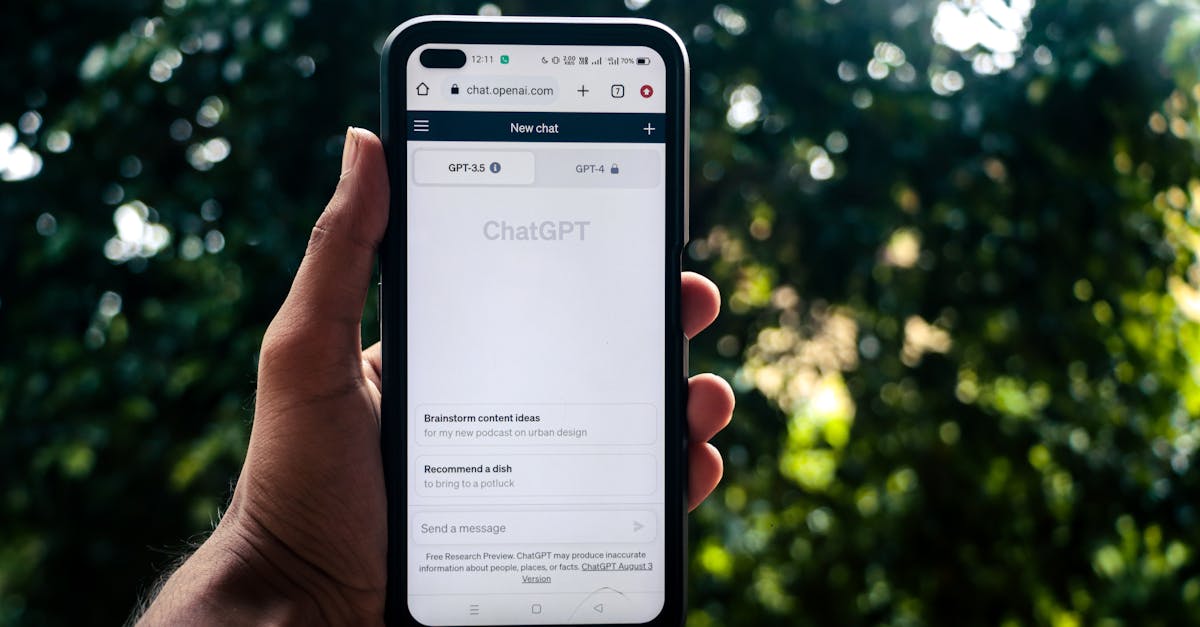

Idéer des sujets SEO à partir d’une analyse sémantique innovante grâce au prompting peu fréquent
Générer des idées d’articles ou de contenus SEO n’est pas toujours évident. Beaucoup se contentent de faire une entrepreneuriat/naviguez-vers-le-succes-creer-une-boutique-dropshipping-100-seo/">recherche de mots-clés ou d’analyser la concurrence. Pourtant, avec un prompting peu fréquent basé sur l’analyse sémantique, vous pouvez explorer de nouvelles pistes. Par exemple, en fournissant un prompt intégrant une liste de mots-clés, de silos ou de concurrents, vous pouvez demander à l’IA de déduire des thématiques innovantes, peu exploitées par d’autres. Plus intéressant encore, il est possible d’incorporer des exemples d’articles performants, de structurer une liste d’idées d’articles pour la stratégie content, ou même de demander une infographie sémantique. La clé ? Utiliser le peu de contexte pour orienter l’IA vers des sujets pointus, avec une spécificité locale ou sectorielle. La nuance ici consiste à faire sortir votre contenu de la masse, en capitalisant sur les zones grises du marché ou des niches peu exploitées, tout en restant aligné avec les attentes SEO actuelles.

Vous avez un projet spécifique ?
Kevin Grillot accompagne entrepreneurs et PME en SEO, webmarketing et stratégie digitale. Bénéficiez d'un audit ou d'un accompagnement sur-mesure.
Structurer votre microdonnées JSON-LD pour un référencement avancé et automatisé
La structuration des microdonnées, notamment avec JSON-LD, demeure un domaine où peu d’experts exploitent tout son potentiel. En 2025, produire automatiquement une structuration optimale pour vos pages produits, articles ou catégories peut faire toute la différence. Le prompting peu fréquent consiste à fournir à l’IA des microdonnées modèles précis, sous forme d’exemples, et lui demander d’en générer une version adaptée à votre contenu. Par exemple, pour une page catégorie veste de ski, vous pouvez fournir un exemple détaillé de JSON-LD avec toutes les propriétés pertinentes : nom, description, images, offres, notes, etc. En laissant l’IA s’inspirer de cette base, vous obtenez une microdonnée parfaitement conforme aux standards schema.org, prête à intégrer. Une nouvelle étape consiste à demander à l’IA d’optimiser la microdonnée pour la position Zéro ou pour des rich snippets spécifiques, en respectant des exigences précises. L’approche peu fréquente consiste également à faire évoluer ces modèles pour couvrir plusieurs types de contenu, tout en maintenant une cohérence absolue dans la structuration, ce qui facilite la maintenance et l’automatisation du SEO technique.

Influencer la position Zéro avec un prompting fin et stratégique
Atteindre la Position Zéro, ces fameuses featured snippets qui apparaissent en première position, requiert une compréhension fine des attentes de Google et une structuration du contenu adaptée. Le prompting peu fréquent s’inscrit comme une méthode avancée pour cela : au lieu de demander une réponse synthétique classique, on injecte dans le prompt plusieurs exemples de définitions, de FAQs ou de structures de contenus qui ont déjà fonctionné en position zéro. Par exemple, pour la définition d’attribut alt, fournir différentes versions éprouvées, puis demander à l’IA de synthétiser un texte court, pédagogique, et optimisé pour la featured snippet. La clé réside dans la granularité du prompt et dans la richesse des exemples, qui aideront l’IA à produire une réponse précise et directement exploitable. Le véritable avantage ? Aller au-delà du simple résultat, en orientant l’IA vers une démarche de réflexion stratégique pour la structure et la formulation. En 2025, cette technique donne un avantage décisif dans la conquête des SERPs, surtout face à la compétition qui n’a pas encore maîtrisé ces subtilités.

Les stratégies d’intégration du prompting peu fréquent pour renforcer votre visibilité et votre stratégie digitale
Autre domaine où le prompting peu fréquent s’avère révolutionnaire : la stratégie digitale globale. En combinant prompts pour générer des idées de campagne, des plans d’action ou même des scénarios de contenu, vous pouvez élaborer une stratégie cohérente, agile et innovante. Par exemple, en fournissant des exemples de campagnes réussies ou en demandant une planification étape par étape, l’IA peut vous proposer une feuille de route précise pour votre référencement naturel, votre branding ou votre marketing automation. La véritable force réside dans la capacité à customiser chaque étape, en exploitant des prompts qui incarnent la vision stratégique. La tendance de 2025 montre que ceux qui maîtrisent cette approche peu fréquentée peuvent anticiper les changements algorithmiques, ajuster leur contenu pour maximiser la visibilité, et optimiser leur ROI. La synergie entre prompting, plateforme de gestion de contenu et outils d’analyse s’impose comme un nouveau standard d’excellence pour les acteurs du numérique.
Vous avez un projet spécifique ?
Kevin Grillot accompagne entrepreneurs et PME en SEO, webmarketing et stratégie digitale. Bénéficiez d'un audit ou d'un accompagnement sur-mesure.
Foire aux questions : le prompting peu fréquent pour le SEO, mode d’emploi
- Qu’est-ce que le prompting peu fréquent en SEO ?
Il s’agit d’utiliser des prompts sophistiqués, enrichis d’exemples ou de données contextuelles, pour guider l’IA dans la génération de contenus ou d’analyses très précises et adaptées à une stratégie spécifique. - Quels sont les avantages principaux de cette méthode ?
Elle permet d’obtenir des résultats plus ciblés, structurés, et conformes aux attentes du référencement moderne, tout en réduisant le besoin d’interventions manuelles répétitives. - Peut-on automatiser toute la stratégie SEO avec le prompting ?
Non, mais le prompting optimise considérablement certains processus clés comme la création de balises, la génération d’idées ou la structuration de données, tout en restant complémentaire à l’expertise humaine. - Comment s’assurer que les prompts restent pertinents dans le temps ?
Il faut régulièrement actualiser ses exemples, suivre l’évolution des algorithmes et expérimenter avec de nouvelles techniques pour maintenir un avantage compétitif. - Existe-t-il des outils ou ressources pour maîtriser le prompting peu fréquent ?
Oui, plusieurs formations en ligne, comme celle de ContentÉclair ou InnovaSearch, offrent des astuces et modèles pour maîtriser ces techniques avancées (voir la ressource).
Source: www.abondance.com
📋 Checklist SEO gratuite — 50 points à vérifier
Téléchargez ma checklist SEO complète : technique, contenu, netlinking. Le même outil que j'utilise pour mes clients.
Télécharger la checklistBesoin de visibilité pour votre activité ?
Je suis Kevin Grillot, consultant SEO freelance certifié. J'accompagne les TPE et PME en référencement naturel, Google Ads, Meta Ads et création de site internet.

Checklist SEO Local gratuite — 15 points à vérifier
Téléchargez notre checklist et vérifiez si votre site est optimisé pour Google.
- 15 points essentiels pour le SEO local
- Format actionnable et imprimable
- Utilisé par +200 entrepreneurs