
En 2026, le paysage du référencement en ligne connaît une transformation radicale, portée par l’émergence du GEO, ou Generative Engine Optimization, une approche qui redéfinit la manière dont les marques et les spécialistes du scraping/la-polyvalence-du-scraping-un-outil-mille-possibilites/">marketing numérique maximisent leur visibilité en ligne. Au-delà des simples métriques de trafic ou des positions sur les résultats classiques, cette nouvelle stratégie s’appuie sur la montée en puissance de l’intelligence artificielle générative, qui devient un canal incontournable pour atteindre les internautes cherchant des réponses instantanées, précises et pertinentes. La proliferation d’outils comme ChatGPT, Google Gemini ou Claude a changé les règles du jeu, obligeant chaque acteur du web à repenser sa présence digitale pour ne pas se faire évincer par ces nouveaux acteurs de la recherche.
Le véritable défi aujourd’hui ne réside plus uniquement dans l’optimisation pour les moteurs de recherche traditionnels, mais dans la capacité à apparaître dans les réponses directes que proposent ces assistants intelligents. Les chiffres illustrent cette nouvelle donne : plus de 125 millions de prompts sont traités quotidiennement par ChatGPT, tandis que dans certains pays comme les États-Unis, presque ¾ des recherches en ligne concernent maintenant des problématiques résolues par l’IA. La transition du référencement classique vers le GEO s’inscrit dans une transformation digitale profonde, où l’adaptation des contenus web et des stratégies scraping/la-polyvalence-du-scraping-un-outil-mille-possibilites/">marketing devient essentielle pour s’assurer une place dans ce nouvel écosystème numérique.
Partant sur de bonnes bases, cette transition vers le GEO ne doit pas être perçue comme une annihilation du SEO traditionnel, mais plutôt comme une évolution nécessaire pour ouvrir de nouvelles voies à la visibilité. Les spécialistes du web doivent désormais maîtriser des techniques d’optimisation nouvelles, centrées non seulement sur le contenu mais aussi sur la structuration, la crédibilité et la cohérence des informations diffusées. La capacité à répondre aux attentes des moteurs IA impose aussi de repenser en profondeur la façon dont sont conçus les contenus web, afin qu’ils soient plus « intelligibles » pour ces systèmes et plus crédibles pour les utilisateurs. La réussite dans cette démarche nécessite une compréhension fine de l’écosystème numérique actuel et une volonté d’adopter une stratégie de visibilité hybride, mêlant à la fois référencement traditionnel et optimisation pour l’IA.

Les fondements de la stratégie GEO : Optimiser le contenu pour une visibilité accrue en 2026
Pour se positionner efficacement dans cette nouvelle ère, il ne suffit pas de produire du contenu web de qualité. Il faut aussi le structurer de façon à répondre aux critères spécifiques du GEO : format structuré, fiabilité des faits et clarté sémantique. La clé est d’accorder une attention particulière à la hiérarchie des titres, à l’utilisation de listes, tableaux et FAQ, qui facilitent la digestion du contenu par les moteurs d’IA et améliorent leur capacité à le paraphraser ou à le synthétiser dans leurs réponses.
Le contenu doit également faire preuve d’une profondeur intellectuelle. Aller au-delà d’un simple article généraliste, en explorant les variantes, en anticipant les questions connexes ou en proposant des exemples concrets, aide à renforcer la crédibilité. La présence d’informations vérifiables, de citations d’experts et de références sûres est également déterminante pour améliorer le positionnement dans les résultats et garantir la confiance des utilisateurs qui recherchent des réponses fiables.
Mais comment réellement mettre en œuvre cette stratégie ? En adoptant une approche hybride, qui combine des techniques traditionnelles du SEO avec de nouvelles méthodes d’optimisation spécifiques à l’IA, comme le cocon sémantique ou l’optimisation de l’intention de recherche. La veille permanente devient une habitude indispensable pour s’assurer que ses contenus restent pertinents face aux modifications des algorithmes et des systèmes IA.


Les techniques concrètes d’optimisation pour le GEO : de la sémantique à l’autorité
Dans cette nouvelle ère, chaque contenu doit être conçu comme un vecteur de confiance et d’expertise. La stratégie consiste à soigner la cocon sémantique pour couvrir toutes les variantes d’un sujet, offrant ainsi aux moteurs IA un horizon complet. L’usage de mots-clés doit s’inscrire dans une démarche naturelle, évitant le bourrage et privilégiant la cohérence contextuelle. L’objectif est d’aider l’IA à comprendre non seulement la thématique principale, mais aussi ses sous-questions, pour maximiser ses chances d’être référencé dans ses réponses.
Les spécialistes insistent également sur l’importance d’adapter l’intention de recherche pour chaque contenu, afin de répondre précisément aux besoins de l’utilisateur final et donc de mieux se positionner dans les résultats IA. Par ailleurs, le renforcement de l’autorité du site web, par la crédibilité de l’auteur, des sources citées ou des témoignages d’experts, est devenu une étape incontournable pour améliorer la confiance et, par conséquence, le référencement.
Les règles d’or de l’optimisation en 2026 incluent aussi l’intégration de détails factuels, la structuration claire du contenu et l’utilisation d’éléments visuels enrichissants. La mise en œuvre de ces techniques exige une veille constante et une capacité à ajuster rapidement ses contenus afin d’être toujours en phase avec l’évolution du contexte numérique.
| Élément clé | Objectif | Impact sur le référencement |
|---|---|---|
| Hiérarchie claire | Faciliter la lecture pour l’IA et l’utilisateur | Meilleure extraction de l’information |
| Sources crédibles | Gagner en crédibilité et autorité | Amélioration du ranking |
| Contenu approfondi | Répondre à toutes les questions liées au sujet | Augmentation de la visibilité dans les réponses IA |
| Optimisation de l’intention de recherche | S’adresser précisément aux besoins | Réduction du bounce rate, meilleure conversion |
| Utilisation de FAQ & tableaux | Faciliter l’analyse et la synthèse | Meilleure indexation par l’IA |


Le rôle stratégique de la crédibilité et de l’autorité pour le succès du GEO
Une des leçons majeures tirées de cette évolution est que la simple présence d’un bon contenu ne suffit plus. L’accent doit désormais être mis sur l’autorité du site et la démonstration de l’expertise. La notion d’EEAT (Expertise, Authoritativeness, Trustworthiness) est plus que jamais au cœur du référencement dans cette nouvelle ère.
Une manière efficace de renforcer cette crédibilité consiste à mentionner clairement les qualifications de l’auteur, à intégrer des références fiables et à solliciter des témoignages ou des recommandations d’experts dans le domaine. Les plateformes d’évaluation, les avis clients, et la transparence dans l’origine des informations sont également des facteurs qui jouent en faveur d’un meilleur positionnement. Ce type de démarche, visible non seulement pour l’IA, mais aussi pour les utilisateurs, garantit une conversion optimale et une fidélisation accrue.
Ce souci de transparence et de crédibilité ne concerne pas uniquement le contenu éditorial. La cohérence entre tous les éléments numériques de la marque — site web, pages produits, réseaux sociaux — doit être maintenue pour garantir une expérience utilisateur fluide et renforcer la confiance, facteur clé de succès dans la course au GEO.
Vous avez un projet spécifique ?
Kevin Grillot accompagne entrepreneurs et PME en SEO, webmarketing et stratégie digitale. Bénéficiez d'un audit ou d'un accompagnement sur-mesure.
Anticiper et s’adapter : la nécessité d’une stratégie de veille continue face au GEO
Les tendances du Web dans cette année 2026 montrent que la veille régulière est essentielle pour rester compétitif. Les algorithmes de recherche, mais surtout les systèmes d’IA, évoluent rapidement, ce qui implique de suivre de près les nouvelles bonnes pratiques, les updates et les changements dans la manière dont les moteurs sélectionnent et synthétisent l’information.
Une entreprise qui souhaite tirer avantage du GEO doit mettre en place une démarche d’audit constant de ses contenus. Par exemple, en questionnant régulièrement ChatGPT pour vérifier si ses pages sont représentées dans ses réponses, ou encore en s’assurant que ses données sont à jour et alignées avec l’évolution des attentes.
La capacité à ajuster rapidement sa stratégie, en innovant dans ses contenus ou en renforçant l’autorité des pages clés, fait en sorte que l’entreprise reste visible dans ce nouvel écosystème. La transformation digitale ne concerne pas uniquement la technique, mais aussi une attitude proactive axée sur la veille et l’adaptation en permanence.
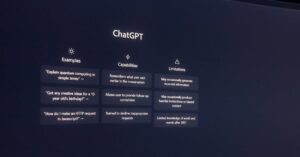
Les défis et opportunités à saisir dans cette nouvelle ère du référencement
Adopter le GEO, c’est accepter de naviguer dans un environnement en pleine mutation, où chaque détail compte pour assurer la visibilité. Même si cette transition peut paraître complexe, elle ouvre également des opportunités inédites. Une approche proactive permet de capitaliser sur ces changements, en positionnant ses contenus pour répondre efficacement aux questions des utilisateurs et aux exigences des moteurs IA.
Ce nouveau contexte offre aussi l’occasion d’expérimenter avec différents formats, comme la vidéo, les infographies interactives ou le contenu audio, qui ont prouvé leur efficacité dans l’engagement et la conversion. La diversification de la stratégie digitale s’avère alors essentielle pour tirer le meilleur parti de cette révolution et préparer le terrain à une transformation durable.
Le pivot vers le GEO oblige aussi à renforcer la collaboration entre les équipes éditoriales, techniques et marketing, favorisant une approche intégrée, où chaque aspect du contenu contribue au succès global. En restant à l’écoute des évolutions technologiques et en investissant dans la qualité et la cohérence, les marques peuvent non seulement briller sur le Web, mais aussi influencer durablement leur audience dans ce contexte post-SEO.
Qu’est-ce que le GEO et comment change-t-il la donne du référencement en 2026 ?
Le GEO, ou Generative Engine Optimization, désigne une nouvelle stratégie d’optimisation qui vise à adapter les contenus web pour qu’ils soient facilement exploités par les systèmes d’intelligence artificielle générative, modifiant ainsi la manière dont les sites se positionnent dans les réponses IA et dans le référencement traditionnel.
Comment optimiser son contenu web pour apparaître dans les réponses d’IA ?
L’amélioration de la hiérarchie des titres, la création de FAQ pertinentes, la structuration claire avec tableaux et listes, ainsi que la crédibilité à travers des sources fiables et l’autorité du site, sont autant de techniques essentielles pour une optimisation efficace face au défi du GEO.
Quel rôle jouent la crédibilité et l’autorité dans la réussite de la stratégie GEO ?
Elles garantissent une meilleure confiance tant pour l’IA que pour les utilisateurs. Mentionner clairement les qualifications, citer des sources crédibles et assurer une cohérence numérique complète permet de renforcer la position des contenus dans cet écosystème en pleine mutation.
Comment une entreprise peut-elle suivre l’évolution du GEO ?
Il faut régulièrement auditer ses contenus, tester leur présence dans l’IA, et ajuster la stratégie en fonction des nouvelles tendances. La veille continue, l’expérimentation et la mise à jour constante sont essentielles pour rester compétitif.
Source: www.blogdumoderateur.com
📋 Checklist SEO gratuite — 50 points à vérifier
Téléchargez ma checklist SEO complète : technique, contenu, netlinking. Le même outil que j'utilise pour mes clients.
Télécharger la checklistBesoin de visibilité pour votre activité ?
Je suis Kevin Grillot, consultant SEO freelance certifié. J'accompagne les TPE et PME en référencement naturel, Google Ads, Meta Ads et création de site internet.

Checklist SEO Local gratuite — 15 points à vérifier
Téléchargez notre checklist et vérifiez si votre site est optimisé pour Google.
- 15 points essentiels pour le SEO local
- Format actionnable et imprimable
- Utilisé par +200 entrepreneurs