As 2026 dawns, the digital scraping/la-polyvalence-du-scraping-un-outil-mille-possibilites/">marketing landscape has undergone a profound transformation, driven by a wave of innovations where artificial intelligence and automation play a central role. These technologies are no longer mere gadgets, but genuine levers for optimizing organic search engine rankings, improving user experience, and strengthening the competitiveness of online businesses. The power of AI, combined with increasingly sophisticated automation tools, is now enabling a rethinking of how marketers approach content creation, competitive intelligence, and data analysis. With widespread adoption, this technological revolution is not limited to a few pioneers but concerns all digital professionals, whether they specialize in SEO or digital marketing as a whole. The context is clear: algorithms are constantly evolving, making the task of specialists more complex while offering new opportunities to leverage these innovations and dominate organic search.
The concrete impacts of artificial intelligence on SEO strategy in 2026
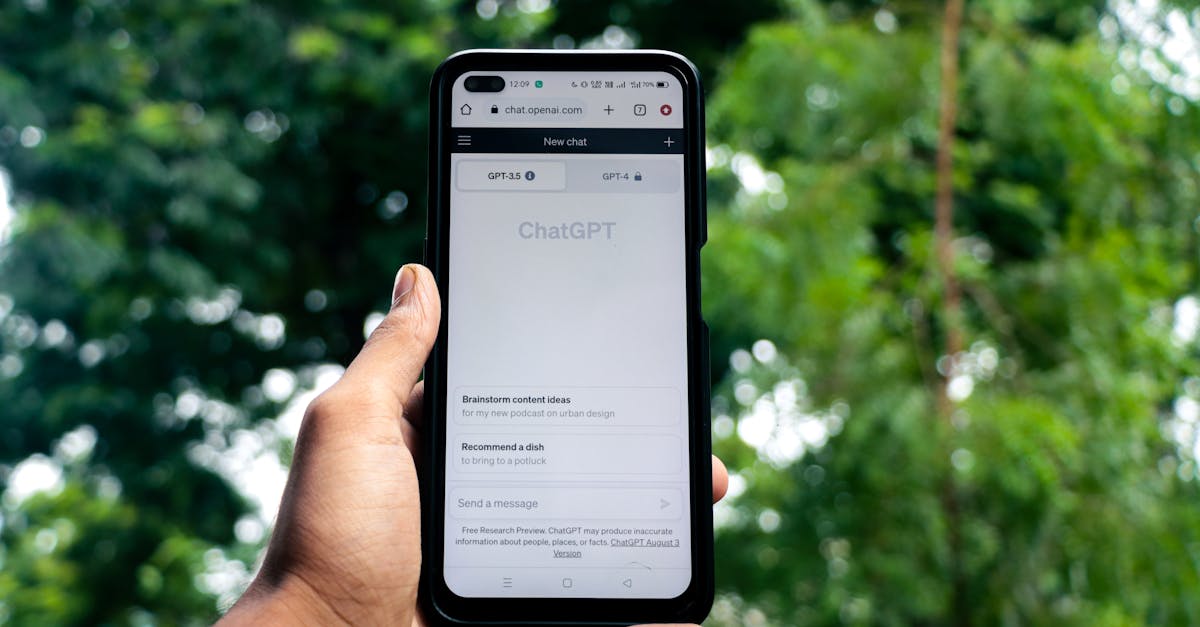
For several years now, the integration of artificial intelligence into search engine optimization (SEO) has revolutionized traditional methods. Today, simply producing high-quality content is no longer enough to achieve a good ranking: it’s essential to adapt to a new reality where data and speed are paramount. AI tools, such as those that replicate natural language processing, allow for the rapid generation of structured articles optimized for search engines, while maintaining a positive user experience. Imagine a writer using an AI-powered platform to define the structure of a piece of content, inserting strategic keywords identified through advanced data analysis. The result: a draft ready to be enriched, with perfect coherence and enhanced visibility thanks to modern optimization techniques. Marketers have understood that SEO success now hinges on mastering these innovative technologies, which offer significant time savings while guaranteeing superior quality.
Concrete Examples of Automation in SEO A recent study indicates that nearly 72% of marketers already use generative AI for content creation, and 65% for their SEO. In concrete terms, this translates into simple yet powerful actions:automated meta description writing

AI can help with things like generating optimized titles and automatically updating tags. Take Reitmans Canada, a major online retailer, for example: thanks to AI, they save up to half a day a week optimizing their meta description files. Another notable example is competitive intelligence. Instead of spending hours manually analyzing others’ SEO strategies, AI tools allow for real-time monitoring of competitors’ rankings, content, and indexing. These practices offer essential strategic agility in an environment where speed of execution makes all the difference. However, this automation shouldn’t overshadow quality, especially in a sector as regulated as SEO, where Google emphasizes transparency and EEAT (Experience, Expertise, Authority, Trustworthiness).

Innovative technologies shaping the future of SEO in 2026
Advances in artificial intelligence and automation have given rise to a veritable arsenal of tools capable of personalizing, anticipating, and optimizing the user journey with unparalleled precision. Among these innovations, intelligent search engines, incorporating natural language processing models like Gemini, now allow for a deep understanding of search intent. Simultaneously, real-time data analysis enables the instant adaptation of strategies, for example, by adjusting editorial guidelines or keywords based on new trends identified by algorithms. These technologies also facilitate the creation of dynamic and interactive content, better meeting the demands of an immersive user experience. In this sense, automation is no longer limited to the technical aspect but encompasses the entire digital scraping/la-polyvalence-du-scraping-un-outil-mille-possibilites/">marketing value chain. The key lies in the ability to leverage these tools to produce measurable results, as demonstrated by the rise of automated dashboards that track the impact of SEO actions in real time.
Vous avez un projet spécifique ?
Kevin Grillot accompagne entrepreneurs et PME en SEO, webmarketing et stratégie digitale. Bénéficiez d'un audit ou d'un accompagnement sur-mesure.
The ethical and methodological challenges associated with the use of artificial intelligence in SEO While automation and AI offer undeniable benefits, their integration also raises crucial ethical and methodological challenges. The question of verifying content generated by these technologies is central: blindly trusting machines is not enough. By 2026, the EEAT (Expertise, Authoritativeness, Trustworthiness) method must remain the foundation of any SEO strategy. This means that every piece of content produced must be verified to guarantee its credibility, source, and compliance with Google’s expectations. Furthermore, the use of artificial intelligence must respect transparency towards users: e-commerce merchants, SEO specialists, and writers must clearly indicate when content is machine-generated. Trust remains a key pillar, and it is up to each professional not to settle for maximalist automation, but to strengthen credibility through verified sources and valuable content. An ethical approach guarantees not only compliance with guidelines, but also a lasting relationship of trust with the audience, a key element for the sustainability of SEO in an increasingly regulated environment.
| Strategies for effectively integrating artificial intelligence into your SEO in 2026 | To fully leverage innovative technologies | A clear strategic approach is necessary. The first step is to precisely analyze your needs: when can automation provide a significant advantage? Next, it is essential to train your teams to master these new tools, integrating their use into the daily workflow. The selection of tools must be made carefully: prioritize those offering compatibility with existing systems, capable of generating reliable data analyses, and producing content that adheres to best practices. Implementation must also include rigorous content verification, respecting the EEAT methodology to avoid any risk of credibility erosion. Finally, it is important to continuously monitor the impact of these actions through automated dashboards, which allow for rapid adjustments to your strategy to stay aligned with evolving algorithms and user behavior. |
|---|---|---|
| Key Technologies | Main Functions | |
| Expected Impact | Advanced Language Models 🤖 | Content Generation, Text Optimization 📄 |
| Increased Visibility, Time Savings | Strategic Intelligence Tools 📊 | Competitive Monitoring, Automated Auditing 🔍 |

Increased Responsiveness, Better Adaptability to Change
Interactive Dashboards 📈
Real-Time Analysis, Automated Reporting
Rapidly Informed Decision-Making
Frequently Asked Questions about AI Integration and Automation in SEO
Is using artificial intelligence in SEO reliable?
Yes, provided you use verified tools and apply a rigorous methodology, particularly by respecting the EEAT principles to guarantee content credibility.
What are the risks associated with SEO automation?
The main risks concern the loss of control over content quality, the mismatch with Google’s new guidelines, and potential information overload if the tools are not properly calibrated.
How can you train your teams on these new technologies?
It is advisable to prioritize specialized training, adopt a gradual integration approach, and maintain continuous monitoring to stay at the forefront of innovation.
Can AI completely replace human work? No, AI is a powerful tool, but creativity, judgment, and human verification remain essential to ensure the quality and compliance of SEO strategies.
📋 Checklist SEO gratuite — 50 points à vérifier
Téléchargez ma checklist SEO complète : technique, contenu, netlinking. Le même outil que j'utilise pour mes clients.
Télécharger la checklistBesoin de visibilité pour votre activité ?
Je suis Kevin Grillot, consultant SEO freelance certifié. J'accompagne les TPE et PME en référencement naturel, Google Ads, Meta Ads et création de site internet.

Checklist SEO Local gratuite — 15 points à vérifier
Téléchargez notre checklist et vérifiez si votre site est optimisé pour Google.
- 15 points essentiels pour le SEO local
- Format actionnable et imprimable
- Utilisé par +200 entrepreneurs