
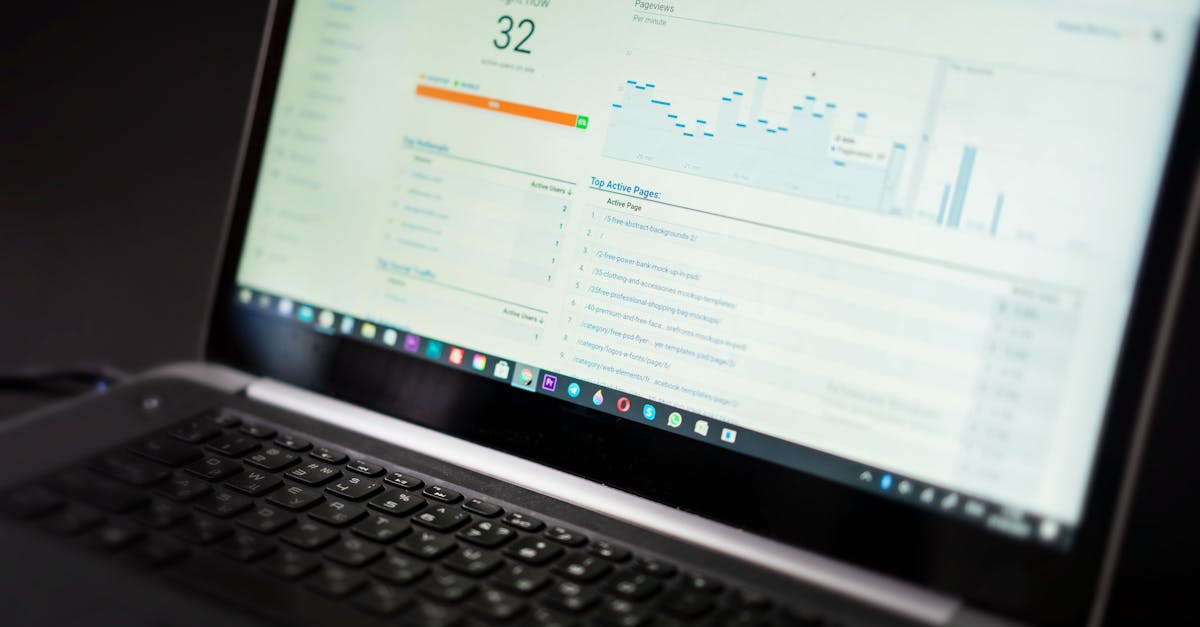
Natural SEO in 2025 no longer looks like it did just five years ago. The implementation of new SEO trends now relies on advanced technologies such as machine learning, indexing API integration and the growing impact of web saturation. These developments are radically transforming the way Google, Bing and other search engines analyze, index and classify content. The race to remain visible in this constantly changing environment requires a keen understanding of these changes. SEO specialists must now juggle powerful tools such as Moz, SEMrush or Ahrefs to adjust their strategies, while anticipating future innovations, such as adaptive crawling or the dominance of AI in search. In 2025, it is no longer just a matter of optimizing keywords, but of intelligently interpreting the weak signals left by these new technologies. The challenge is immense, but it also opens the way to new opportunities for those who know how to skillfully navigate this new digital landscape.
How machine learning is redefining SEO in 2025
Machine learning has occupied a central place in the SEO realm for several years. By 2025, this technology will no longer simply help analyze data; it will directly influence how Google and Bing evaluate the quality of content. Thanks to sophisticated algorithms, search engines are continuously learning to better understand user intent, the tone of a text, and contextual relevance. For example, tools like SEMrush and BrightEdge now integrate AI to predict the impact of certain keywords or emerging trends. A site’s ability to quickly adapt to these changes is becoming a major competitive advantage. Search personalization and conversational SEO are also gaining momentum, with Yoast integrating AI-based optimization features. However, this advancement also raises issues, particularly regarding data reliability and the risk of over-optimization. Ultimately, mastering machine learning has become essential to stand out in an ecosystem where machines play a key role. Key Aspect
| Impact on SEO | Practical Example | Advanced Semantic Analysis |
|---|---|---|
| Better Understanding of Intent | Google Uses BERT to Interpret Long Queries | Evolution Prediction |
| Anticipation of SEO Trends | Tools Like SE Ranking Predict Emerging Keywords | Personalization of Results |
| Adapts Search Based on User Profile | Local Searches Integrating History | Integration of Indexing APIs: A Silent Revolution |

Indexing APIs are becoming the new management tools for SEO specialists in 2025. Google recently strengthened this technology, allowing certain feeds, such as job listings or live content, to be quickly integrated into the index. However, this development is not limited to simply accelerating indexing. APIs offer the ability to precisely control which pages should be scanned, when, and how. But beware, this power can also be misused for unwanted purposes. Spammers already rely on these APIs to inject non-compliant content or to manipulate the visibility of certain sites. Google, through its official statements, warns: their indexing API should primarily be used for high-value content, such as real-time offers or dynamic feeds. Main Benefit
Potential Risks
| Recommendations | Speed of Indexing | Possible Abuse |
|---|---|---|
| Limit Use to Legitimate Content | Precise Control | Corruption or Over-Optimization |
| Use in Moderation to Ensure Quality | Flexibility | Injection of Non-Compliant Content |
| Regularly Monitor Impact | Web Saturation: A Technical and Strategic Challenge | As the volume of content published online explodes, especially with the rise of AI agents such as ChatGPT, Bing Chat, and other bots, web saturation is becoming a critical issue for SEO. In 2025, this wealth of information will create fierce competition for visibility. Yet, it’s not just a question of quantity; it’s also a matter of efficiency in the crawling and processing of data by Google and Bing. Gary Illyes, one of Google’s experts, warns: the real challenge is no longer so much in crawling capacity, but in managing the volume of data to be ingested, processed, and stored. The required resources are skyrocketing, forcing a rethink of hosting and technical optimization strategies. Reducing latency, using advanced caching techniques, or reviewing the robots.txt file are becoming essential to avoid being overwhelmed by this avalanche of AI-generated content. Aggravating Factor |

Consequences for SEO
Possible Solutions
| Saturation of Automated Content | Dilution of Quality and Difficulty in Ranking | Strengthen Editorial Requirements and Semantics |
|---|---|---|
| Explosion of AI Bots | Server and Crawl Overload | Optimize the Robots.txt File and Cache |
| Volume of Data to Process | Increased Processing Costs | Use Modern Tools Like Screaming Frog |
| Advanced Crawling Techniques in 2025: A New Standard | Despite limited evolution in principles, crawling has undergone a technical revolution. The migration to HTTP/2, then HTTP/3, has enabled faster and more efficient connections. These protocols reduce latency and improve the ability to crawl more pages in less time. Googlebot, Google’s flagship crawler, has also adopted strategies that are more respectful of robots.txt, while being able to behave more aggressively toward malicious scanners. Managing crawlers, whether they respect them or not, is becoming a major challenge to fully exploit the potential of modern crawling. The question of the future also concerns resources, as processing all this data related to the new protocols requires efficient infrastructure. By using tools like Majestic or HubSpot, specialists can monitor the effectiveness of their crawling strategy and adjust as needed to keep their site at the top of the search results. Technical Developments | Advantages |
Vous avez un projet spécifique ?
Kevin Grillot accompagne entrepreneurs et PME en SEO, webmarketing et stratégie digitale. Bénéficiez d'un audit ou d'un accompagnement sur-mesure.
Limitations
Switch to HTTP/2 and HTTP/3
| Faster and more efficient crawling | Requires an up-to-date infrastructure | Recognition of malicious bots |
|---|---|---|
| Increased site protection | Requires fine-grained rule configuration | Compliance with robots.txt |
| Crawl optimization | Only if used correctly | Frequently asked questions about new SEO trends in 2025 |
| How does machine learning influence SEO strategy? | It enables better understanding of intent, personalization, and trend prediction, making optimization more precise and proactive. | Can indexing APIs be abused? |

Yes, but Google insists on their use primarily for dynamic or high-value content and warns against spam.
- Can crawling become an overhead for site owners? Absolutely. With the rise of AI agents, hosting must be optimized and the impact regularly monitored to avoid saturation.
- Which tools should you use to monitor these developments? Moz, SEMrush, Ahrefs, Screaming Frog, Google Search Console, and HubSpot offer essential features for adjusting your strategy.
- How can you anticipate web saturation? By improving your infrastructure, controlling the publication rate, and using monitoring tools to quickly identify new trends.
📋 Checklist SEO gratuite — 50 points à vérifier
Téléchargez ma checklist SEO complète : technique, contenu, netlinking. Le même outil que j'utilise pour mes clients.
Télécharger la checklistBesoin de visibilité pour votre activité ?
Je suis Kevin Grillot, consultant SEO freelance certifié. J'accompagne les TPE et PME en référencement naturel, Google Ads, Meta Ads et création de site internet.

Checklist SEO Local gratuite — 15 points à vérifier
Téléchargez notre checklist et vérifiez si votre site est optimisé pour Google.
- 15 points essentiels pour le SEO local
- Format actionnable et imprimable
- Utilisé par +200 entrepreneurs


