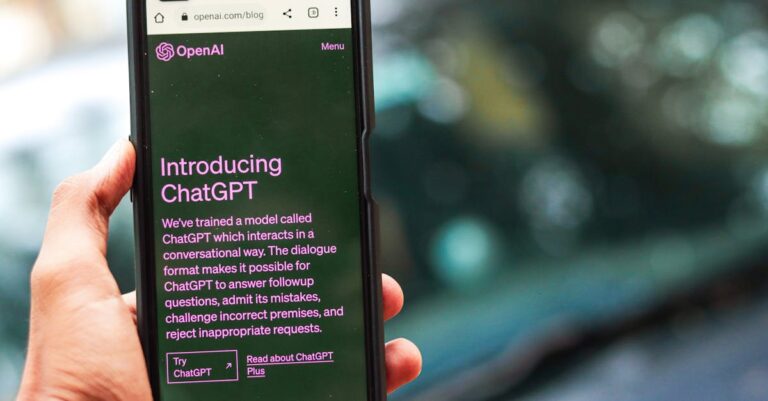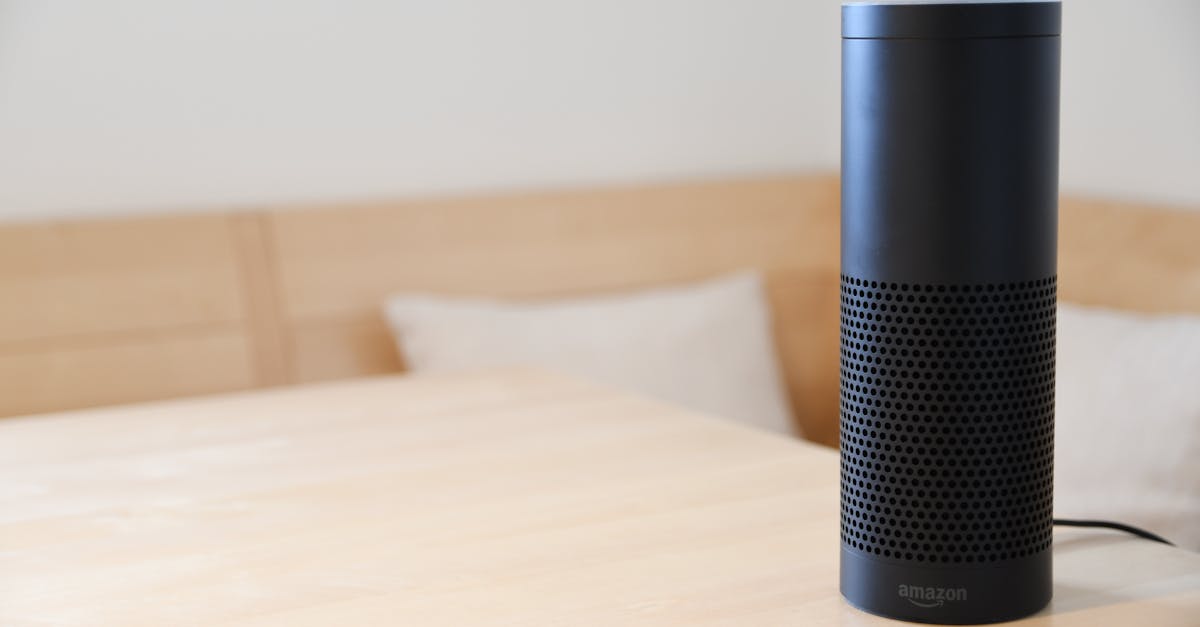
En cette année 2026, l’univers de la tech se voit bouleversé par une avancée majeure : OpenAI, l’entreprise leader en intelligence artificielle, annonce le lancement imminent d’un assistant vocal révolutionnaire accompagné d’un nouvel appareil destiné au grand public. Après des années de recherche et de développement, cette stratégie ambitieuse marque une étape cruciale pour réduire la dépendance aux écrans, tout en proposant une expérience conversationnelle profondément plus fluide, naturelle et intuitive. Dans un contexte où les assistants intelligents tels que Siri, Alexa ou Google Assistant peinent encore à réellement dialoguer comme de vrais interlocuteurs, cette innovation promet d’installer l’audio comme le véritable centre névralgique de nos interactions numériques.
Ce nouvel écosystème construit par OpenAI ne se limite pas à un simple logiciel ou une technologie isolée. C’est tout un univers qui se dessine, visant à faire évoluer la manière dont nous communiquons avec nos appareils. La promesse : des conversations où la commande vocale devient une interaction en temps réel, sans latence, avec la capacité de gérer des interruptions, des échanges simultanés, voire de rebondir sur un sujet, comme lors d’un échange entre deux amis. La volonté d’OpenAI dépasse largement la simple innovation. Il s’agit déjà d’un tournant stratégique visant à faire de l’assistant vocal un outil incontournable dans la vie quotidienne, capable aussi bien de répondre à nos besoins professionnels que personnels. Tout cela pourrait bien transformer la façon dont la société perçoit, utilise et intègre la technologie, la plaçant au cœur même de notre environnement .
Les avancées clés du nouveau modèle audio d’OpenAI pour une conversation humaine
Le cœur de cette révolution repose sur un modèle audio de nouvelle génération, prévu pour le premier trimestre 2026. Avec cette nouvelle architecture, OpenAI veut corriger plusieurs faiblesses présentes dans les assistants vocaux actuels. Aujourd’hui, ces assistants sont limités par une incapacité à gérer des conversations naturelles et complexes, souvent marquées par des ruptures ou des échanges interrompus. Les réponses sont souvent impersonnelles, robotiques, et leur capacité à s’adapter à un contexte spécifique reste faible. Pourtant, l’objectif est clair : faire en sorte qu’interagir avec un assistant vocal ne soit plus une simple commande, mais une véritable conversation où la fluidité prime.
Concrètement, ce modèle de nouvelle génération pourra, par exemple, parler en même temps que l’utilisateur. Imaginez un instant demander à votre assistant de vous expliquer la météo tout en lui posant une seconde question. Jusqu’ici, cette interaction aurait été impossible, obligeant à attendre que la première réponse finisse. Avec cette innovation, OpenAI veut éliminer cette barrière, rendant chaque dialogue plus naturel, sans cette latence artificielle qui coupe l’élan de la conversation. Par ailleurs, la voix générée sera d’une « naturalité » inégalée, avec des intonations expressives et un réalisme impressionnant. La maîtrise de la gestion des interruptions, associée à une synthèse vocale d’un réalisme quasi humain, pourrait véritablement changer la donne dans le secteur des assistants virtuels.
Cette avancée n’est pas sans rappeler l’évolution des algorithmes de reconnaissance vocale. Pourtant, OpenAI va aller bien au-delà, en intégrant une architecture capable de prendre en compte le contexte global de la conversation, d’identifier les nuances émotionnelles, et même de moduler la tonalité selon la situation. Tout cela, dans un souci d’humaniser la relation entre le machine et l’utilisateur, dans une logique d’industrialisation de l’assistance vocale, qui va au-delà des métriques classiques pour enfin produire des échanges aussi riches qu’un dialogue entre deux proches.

Une réorganisation interne pour accélérer le développement des assistants vocaux intelligents
Face à ces ambitions, OpenAI a réalisé une restructuration interne majeure. La société a regroupé ses départements d’ingénierie, de recherche et de développement produit dans une nouvelle entité dédiée exclusivement aux technologies audio et conversationnelle. Ce changement intervient pour accélérer la cadence, car, dans ce domaine, le retard par rapport à d’autres géants comme Google ou Amazon restait notable. La création d’un environnement dédié garantit une meilleure synchronisation des efforts et permet d’aller plus vite pour déployer ces innovations sur le marché.
Une influence notable dans cette nouvelle stratégie est venue de Jony Ive, ancien designer en chef d’Apple, qui a rejoint OpenAI après avoir racheté sa startup io Products pour environ 6,5 milliards de dollars. Sa philosophie : repenser le design des appareils pour qu’ils soient aussi discrets qu’élégants, avec une priorité sur la réduction de la dépendance aux écrans, souvent considérés comme envahissants ou distracteurs. La vision de Ive influence fortement l’approche esthétique et fonctionnelle du nouveau matériel prévu, visant à offrir une expérience utilisateur épurée, intuitive, et surtout centrée sur la voix. La conception de ces appareils doit non seulement allier élégance et praticité mais aussi favoriser une interaction naturelle, presque invisible, entre l’homme et la machine.
Les défis restent nombreux. La concurrence est féroce, notamment avec des projets comme le Grok de Tesla ou les lunettes augmentées de Meta. Pourtant, avec cette organisation renforcée et cette vision disruptive, OpenAI entend bien rattraper son retard pour imposer ses nouvelles normes dans le domaine des assistants vocaux. La clé pourrait résider dans la capacité à créer une interface où la voix devient l’unique et maître canal d’interaction, permettant à chacun d’user de ses appareils comme d’un « compagnon » plutôt que d’un simple outil technologique.

Une famille d’appareils grand public pour faire de la voix l’interface principale
Selon les annonces, le premier appareil physique destiné à accompagner ce modèle « révolutionnaire » ne sera pas commercialisé avant la fin de l’année 2026 ou début 2027. Mais cette date marque surtout le lancement d’un véritable écosystème de produits intégrés, pensés pour que l’interaction vocale devienne la référence dans notre utilisation quotidienne. Parmi les formats envisagés, on retrouve des lunettes connectées, à la manière des Ray-Ban intelligents, ou encore des haut-parleurs sans écran, dotés d’une intelligence artificielle avancée et d’une gestion multimodale de la conversation.
OpenAI veut ainsi privilégier une approche proche de la « domotique relationnelle », où tout est pensé pour des interactions naturelles, plus qu’un simple gadget connecté. La vision est claire : faire de la voix l’interface principale, même dans des environnements où les écrans, souvent encombrants, gêneraient plutôt qu’ils n’aideraient. Le but n’est pas d’accumuler des appareils, mais de créer un réseau d’assistants intégrés, cohérents et discrets, qui remplacent peu à peu la multiplication des écrans dans notre quotidien.
Ce concept s’inscrit dans une tendance plus large, qui voit tous les géants tech miser sur la voix comme nouvelle interface universelle. La recherche vocale ou encore la recherche locale se trouvent ainsi au cœur des stratégies d’optimisation, pour répondre à l’évolution des usages.
Vous avez un projet spécifique ?
Kevin Grillot accompagne entrepreneurs et PME en SEO, webmarketing et stratégie digitale. Bénéficiez d'un audit ou d'un accompagnement sur-mesure.
Comment Jony Ive veut redéfinir le design de l’assistant vocal grand public
Une forte influence du design minimaliste et de la sobriété caractérise cette nouvelle étape pour OpenAI. Jony Ive, qui a fait sa renommée chez Apple, veut infuser cette philosophie dans chaque appareil. Son credo : des appareils qui se contentent pas d’identifier la voix ou de répondre rapidement, mais qui incarnent une nouvelle manière d’interagir avec la technologie, où l’esthétique et la simplicité priment. Pour cela, ses équipes travaillent sur une gamme de prototypes alliant matériaux premium, ergonomie et intégration audio de haute qualité.
Une de ses idées clés consiste à réduire au maximum l’impact visuel, en favorisant des dispositifs presque invisibles en utilisation courante. Par exemple, des lunettes connectées discrètes, équipées de microphones directionnels et d’un Haut-parleur intégré, qui peuvent être portées toute la journée, sans gêne. Ces appareils viseront à favoriser l’interaction spontanée, dans n’importe quel contexte, qu’il s’agisse d’un déplacement urbain ou d’une réunion de travail.
Ce travail de conception ne concerne pas uniquement l’esthétique : la technologie doit aussi respecter les enjeux de sécurité et de vie privée. La gestion des données vocales, leur stockage sécurisé, ainsi que la facilité de mise à jour, seront au cœur de cette nouvelle offre matérielle. Au final, cette philosophie de design doit permettre d’intégrer harmonieusement la voix comme média principal — dans une époque où la société se veut plus discrète face à la prolifération des écrans.

Les complexités du marché : un enjeu pour l’émergence des assistants vocaux OpenAI
Le secteur des assistants vocaux ne manque pas de défis, bien au contraire. Après plusieurs échecs de produits ambitieux, notamment avec le Humane AI Pin ou les dispositifs comme le pendentif connecté Friend AI, le marché est encore très concurrentiel et incertain. Les consommateurs restent méfiants face aux promesses d’assistants capables de dialoguer comme des humains complets, surtout si ces appareils peuvent empiéter sur la vie privée ou devenir envahissants.
Pour OpenAI, le défi consiste à créer des appareils non seulement performants, mais aussi rassurants, discret et conformes aux attentes du grand public en matière de confidentialité. La clé pourrait résider dans l’intégration de technologies de géolocalisation et d’optimisation locale, afin d’adapter la réponse à chaque contexte. Le succès dépend aussi de la capacité à réduire le coût tout en proposant une expérience premium, grâce à des matériaux de qualité, un design soigné, et des fonctionnalités vraiment différenciantes.
-
- Une technologie audio toujours plus naturelle 🎙️
- Un design épuré et discret, à la Jony Ive ✨
- Une gestion avancée des conversations simultanées 🗣️
- Une famille d’appareils multi-formats : lunettes, hauts-parleurs, etc. 🕶️
- Une réorganisation stratégique pour accélérer le marché 🚀
| Critère d’évolution |
Décision stratégique d’OpenAI |
Impact attendu |
|---|---|---|
| Qualité de la voix | Revolutionner la synthèse vocale | Plus naturel, plus expressif 🎤 |
| Gestion de conversation | Gestion fluide, interruption possible | Dialogue plus humain 🤝 |
| Design matériel | Appareils élégants et discrets | Intégration harmonieuse dans la vie courante |
| Interopérabilité | Création d’un écosystème connecté | Interaction cohérente entre plusieurs appareils 🖥️ |
Quelle technologie permet à OpenAI de rendre ses assistants vocaux plus naturels ?
OpenAI mise sur un modèle d’intelligence artificielle avancée, capable de synthétiser la voix de façon expressive et de gérer les échanges simultanés, pour rendre les assistants vocaux plus proches de la conversation humaine.
Quand sera lancé le nouvel appareil musical d’OpenAI ?
Les plans d’OpenAI prévoient une sortie d’un premier appareil physique d’ici la fin 2026 ou début 2027, avec une gamme qui comprendra notamment des lunettes connectées et des haut-parleurs sans écran.
Comment OpenAI veut transformer notre rapport à la technologie ?
En privilégiant une approche audio-first, avec des appareils discrets et esthétiques, qui privilégient la voix comme interface principale, OpenAI veut instaurer une nouvelle manière d’interagir avec la tech, plus naturelle et moins intrusive.
Quels sont les principaux défis du marché des assistants vocaux ?
Le secteur doit relever le défi de la confidentialité, de la performance, et de la confiance des utilisateurs, tout en proposant des appareils qui soient à la fois performants, discrets et esthétiquement séduisants.
Les assistants vocaux vont-ils réellement remplacer les écrans ?
L’objectif d’OpenAI et d’autres acteurs est de faire du voix le principal canal d’interaction, afin de réduire la dépendance aux écrans, mais cela dépendra aussi de la capacité à créer une expérience fiable et sécurisée.
📋 Checklist SEO gratuite — 50 points à vérifier
Téléchargez ma checklist SEO complète : technique, contenu, netlinking. Le même outil que j'utilise pour mes clients.
Télécharger la checklistBesoin de visibilité pour votre activité ?
Je suis Kevin Grillot, consultant SEO freelance certifié. J'accompagne les TPE et PME en référencement naturel, Google Ads, Meta Ads et création de site internet.

Checklist SEO Local gratuite — 15 points à vérifier
Téléchargez notre checklist et vérifiez si votre site est optimisé pour Google.
- 15 points essentiels pour le SEO local
- Format actionnable et imprimable
- Utilisé par +200 entrepreneurs