

Dans le monde effervescent de la restauration, certains entrepreneurs prennent des risques exceptionnels pour concrétiser leurs ambitions. À 43 ans, Areski Aït Meziane, ancien cadre de McDonald’s devenu restaurateur engagé, a décidé de tout miser sur sa passion pour la gastronomie. Quitter une carrière stable pour plonger dans l’incertitude d’un investissement de plus d’un million d’euros n’est pas une étape anodine. Avec une charge de travail dépassant souvent les 100 heures par semaine, il se bat pour faire vivre ses établissements tout en portant une vision innovante de la cuisine et du service. En era où la rentabilité et la qualité sont monnaie courante, son pari témoigne d’un courage hors norme, d’un engagement sincère envers sa communauté et d’une volonté affirmée de redéfinir la réussite dans un secteur sous pression. Ce combat, mêlant sacrifices personnels et défis professionnels, intrigue autant qu’il inspire. Dans cet article, nous explorerons la passion qui anime ce restaurateur audacieux, la complexité de ses choix et la manière dont il navigue dans un univers en perpétuelle mutation, entre innovation, soutiens et épreuves financières. La gastronomie, au cœur de sa quête, devient le fil conducteur d’un admirable défi de persévérance et d’ambition.
Pourquoi certains restaurateurs acceptent de travailler 100 heures par semaine pour réaliser leurs rêves
Le secteur de la restauration est réputé pour ses horaires atypiques, souvent perçus comme une véritable épreuve pour ceux qui y évoluent. Travailler jusqu’à 100 heures par semaine n’est pas une décision prise à la légère. Pour certains, comme Areski Aït Meziane, cela devient une nécessité pour transformer une passion en succès durable. La motivation principale réside dans la volonté de bâtir une entreprise qui reflète leur vision de la gastronomie, tout en assurant une qualité irréprochable. La prise de risque financière, avec un investissement supérieur à un million d’euros, ne laisse aucune place à l’erreur, obligeant ces entrepreneurs à mettre tous leurs œufs dans le même panier.
Ce niveau d’engagement permet aussi de maîtriser chaque étape du processus. Quand on investit une telle somme, il ne s’agit pas seulement d’ouvrir un restaurant, mais de créer une expérience culinaire unique, d’implanter une équipe soudée, et d’assurer un service impeccable. La gestion d’une telle structure demande une implication constante, du recrutement minutieux aux innovations dans le menu, en passant par la formation du personnel. La passion, dans ces conditions, devient non seulement un moteur, mais une nécessité pour dépasser les difficultés économiques et concurrentielles. La pression fiscale, la fluctuation des coûts, et l’émergence de nouveaux concurrents rendent l’engagement encore plus exigeant. Mais pour ces restaurateurs, le rêve vaut toutes les sacrificielles.
Ce sacrifice extrême s’inscrit aussi dans une stratégie de différenciation. Aller au-delà des métriques classiques de rentabilité permet de créer une marque forte, une identité qui séduit une clientèle fidèle. La clé réside souvent dans la capacité à innover, à proposer une expérience nouvelle ou un concept original que peu de concurrents peuvent égaler. L’engagement de ces entrepreneurs en dit long sur la force de leur passion, mais aussi sur leur volonté de bâtir quelque chose qui dure, au-delà des crises ou des difficultés passagères. Leur motivation, bien qu’inhabituelle, s’appuie sur une conviction profonde : celle que la gastronomie doit continuer à évoluer, tout en conservant ses valeurs fondamentales de qualité et de partage.
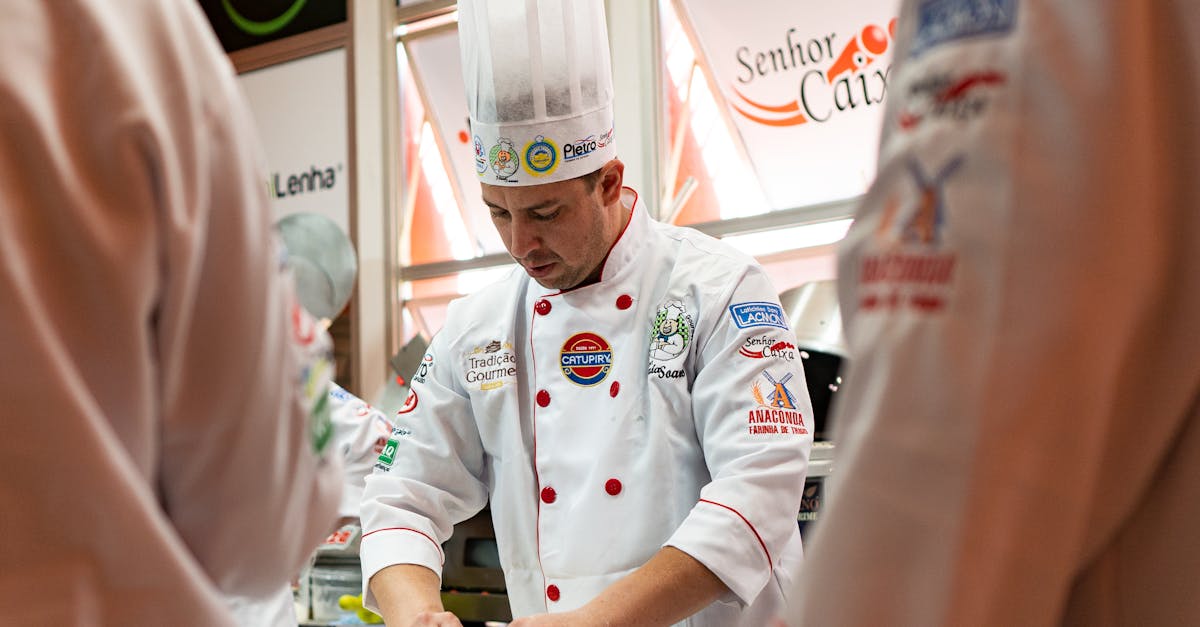

Les contraintes juridiques et administratives derrière les longues heures de travail dans la restauration
Le secteur de la restauration, connu pour ses horaires décalés, doit respecter un cadre juridique précis qui encadre la durée du travail. En 2025, la réglementation française précise que la durée maximale, sur une période de 12 semaines, ne doit pas excéder 46 heures en moyenne par semaine. Pour ceux qui choisissent d’aller plus loin ou en dehors de ces limites, il faut se conformer à des dérogations spécifiques, notamment via la convention collective nationale. La durée absolue de travail ne doit pas dépasser 48 heures par semaine, mais dans la pratique, ces seuils sont souvent dépassés par certains chefs d’entreprise motivés, à cause de l’attente de succès ou de la nécessité d’assurer une continuité opérationnelle.
Les horaires, souvent très étendus, soulèvent aussi des questions sur l’amplitude horaire. Selon la réglementation, un employé ou un chef d’équipe doit bénéficier d’un temps de repos d’au moins 11 heures entre deux périodes de travail. Cela limite l’amplitude globale à 13 heures par jour. Cependant, dans la pratique, le fonctionnement d’un restaurant exige une flexibilité importante, parfois incompatible avec ces contraintes. La gestion de ces horaires, couplée à la nécessité de maintenir une équipe motivée, devient un vrai défi à la fois administratif et humain.
Les restaurateurs doivent également jongler avec des obligations telles que la prise en compte des heures supplémentaires, les régulations sur le travail à temps partiel, ou encore la gestion de contrats atypiques. Par exemple, certains optent pour le contrat à durée déterminée pour des périodes de forte activité. La législation, dans ce contexte, s’efforce d’équilibrer protection des salariés et liberté entrepreneuriale. Connaître ces limites est crucial pour ne pas se retrouver en infraction, tout en maintenant la flexibilité indispensable à la gestion quotidienne. La maîtrise de ces aspects est une étape incontournable pour transformer la passion en réussite pérenne, sans risquer des sanctions ou des litiges coûteux.
| Aspect | Réglementation (2025) | Contenu |
|---|---|---|
| Durée hebdomadaire moyenne | 46 heures | Sur 12 semaines, avec dérogations possibles |
| Durée maximale | 48 heures | Par semaine en cas d’exception |
| Repos obligatoire | 11 heures minimum | Entre deux périodes de travail |
| Amplitude horaire | 13 heures maximum | Selon la réglementation |


L’impact économique et personnel du travail intensif dans la restauration
Travailler 100 heures par semaine repousse les limites de l’épuisement, mais pour certains, cela devient une nécessité pour assurer leur survie ou leur développement. La gestion de cette pression énorme se traduit par de nombreux sacrifices personnels : peu de temps pour la famille, une vie sociale mise en pause, voire des soucis de santé. Pourtant, ces entrepreneurs considèrent cet effort comme un investissement dans leur rêve, une étape incontournable pour établir une brand et une clientèle fidèles.
Sur le plan économique, l’investissement conséquent dépasse souvent la simple ouverture d’un restaurant : il s’agit de créer une expérience culinaire au niveau supérieur, de faire travailler une équipe compétente et de tester de nouvelles idées culinaires. La bataille ne s’arrête pas à l’ouverture, mais s’étend à la nécessité de maîtriser chaque aspect, de la gestion financière à l’innovation en passant par la qualité de service.
L’engagement psychologique aussi joue un rôle déterminant : la passion pour la gastronomie et la volonté de faire la différence motivent ces entrepreneurs à continuer malgré les obstacles. La clé de leur succès réside souvent dans leur capacité à prendre du recul, à s’entourer d’une équipe solide, et à se soutenir mutuellement face à la pression. La détermination et la résilience deviennent alors des alliées indispensables pour avancer, même dans un contexte économique difficile.
Ce dévouement, au prix d’un équilibre de vie souvent rompu, soulève toutefois des interrogations sur la pérennité de ce modèle à long terme. Si une partie de ces restaurateurs parvient à transformer cet effort intense en succès durable, d’autres risquent de s’épuiser rapidement. La recherche du succès dans la restauration ne se limite pas à l’investissement financier ou au nombre d’heures travaillées, mais dépend également de leur capacité à équilibrer passion, gestion et santé mentale.
Vous avez un projet spécifique ?
Kevin Grillot accompagne entrepreneurs et PME en SEO, webmarketing et stratégie digitale. Bénéficiez d'un audit ou d'un accompagnement sur-mesure.
Les stratégies pour réussir malgré les défis : innovation, équipe et soutien
Dans un univers aussi concurrentiel, il ne suffit pas d’être passionné pour durer. La réussite repose aussi sur la capacité à innover constamment, à fédérer une équipe engagée et à bénéficier d’un soutien solide. La restauration, pour évoluer, doit intégrer de nouvelles tendances, telles que la gastronomie durable, la digitalisation du service ou encore la personnalisation de l’expérience client.
Adopter une stratégie innovante permet d’attirer une clientèle en quête d’originalité et d’authenticité. Certains exploitent la tendance du local et du sain, en créant des menus à partir de produits bio ou locaux. D’autres intègrent des technologies pour optimiser le service, comme la commande via des applications mobiles ou la gestion automatisée des réservations. Tout cela requiert une adaptation constante, un esprit d’initiative et une capacité à suivre l’évolution du marché.
L’équipe constitue aussi un levier de succès essentiel. Embaucher du personnel compétent, formé et motivé permet non seulement d’offrir une expérience de qualité, mais aussi de partager la charge mentale. Areski Aït Meziane insiste souvent sur la nécessité de soutenir ses équipes, notamment par la entrepreneuriat/decouvrez-plusieurs-chemins-vers-le-succes/">formation continue et un leadership bienveillant. La cohésion et la motivation collective deviennent alors un véritable avantage concurrentiel.
Le soutien extérieur, qu’il provienne de partenaires financiers, de réseaux d’entrepreneurs ou d’associations professionnelles, offre aussi un appui stratégique. Se constituer un réseau qui partage des valeurs communes facilite l’accès à des conseils, des financements ou encore des opportunités d’innovation. Dans un secteur aussi dynamique, il ne faut jamais se contenter de l’état actuel de ses ressources : il faut toujours aller plus loin, innover, s’entourer et croire en ses idées pour transformer un défi en succès durable.
- 💡 Surveillez les tendances du marché et intégrez-les rapidement
- 🤝 Fédérer une équipe solide pour relever les défis
- 🌱 Adopter une gastronomie durable et locale
- 🔧 Utiliser des outils digitaux pour améliorer l’efficacité
- 🧑🤝🧑 Construire un réseau de soutien professionnel
| Stratégie | Exemple | Impact |
|---|---|---|
| Innovation | Menus bio & locaux | Fidélise la clientèle et démarque du marché |
| Équipe | Formations continues | Améliore la qualité et la motivation |
| Soutien | Réseaux d’entrepreneurs | Facilite l’accès aux financements et conseils |

Le futur de la restauration : entre risques, innovations et nouvelles tendances
Face à un contexte économique et social en mutation permanente, la restauration doit faire preuve d’adaptabilité pour assurer sa pérennité. La scène gastronomique voit apparaître de nouvelles tendances, souvent portées par des entrepreneurs audacieux comme Areski, prêts à prendre des risques pour innover et se différencier.
L’intégration des nouvelles technologies, comme la blockchain pour la traçabilité ou l’intelligence artificielle pour personnaliser les menus, ouvre des perspectives inédites. La digitalisation du service, par exemple, facilite la gestion et réduit les coûts tout en améliorant l’expérience client. La tendance du bio, du local et du durable continue aussi de s’étendre, poussant les restaurateurs à revoir leurs modèles économiques.
Une autre tendance forte consiste à valoriser l’expérience client, en proposant des événements culinaires, des ateliers ou des dégustations exclusives. Ces stratégies nécessitent de repenser la manière de concevoir un restaurant, en y intégrant plus d’interactivité, de créativité et d’authenticité. Le défi reste de trouver le juste équilibre entre innovation technologique ou culinaire et maintien d’une identité forte.
À l’échelle individuelle, ces tendances favorisent aussi l’émergence d’initiatives innovantes telles que la tokenisation immobilière pour financer des projets. Ces nouvelles solutions d’investissement, comme Realt ou Bricks Co permettent aux restaurateurs de sécuriser leur financement tout en restant maîtres de leur développement. Le secteur doit donc continuer à conjuguer risques et innovations, pour écrire sa prochaine page.

FAQ : questions fréquemment posées sur le pari audacieux d’un restaurateur
- Pourquoi certains restaurateurs acceptent-ils de travailler autant d’heures ? La passion, la volonté de bâtir un projet solide et l’envie de faire différencier leur établissement motivent ces efforts extrêmes. La réussite nécessite un engagement total.
- Quels sont les risques juridiques liés aux longues heures de travail ? La législation encadre strictement la durée du travail, mais dans la pratique, certains dépassent ces limites, risquant sanctions ou litiges si les règles ne sont pas respectées.
- Comment innover pour faire face aux défis ? En intégrant des tendances comme le bio, la digitalisation ou la personnalisation, et en construisant une équipe forte et un réseau de soutien, un restaurateur peut transformer ses défis en opportunités.
- Les longs horaires affectent-ils la santé mentale ? Oui, la surcharge de travail peut entraîner fatigue, stress ou burn-out si elle n’est pas accompagnée d’une gestion adaptée. La patience et le soutien mutuel restent essentiels.
- Les investissements de plus d’un million d’euros sont-ils rentables ? Tout dépend de la qualité de la gestion, de l’innovation, et de la capacité à fidéliser la clientèle. La persévérance et la passion restent les piliers du succès à long terme.
Source: www.ladepeche.fr
📋 Checklist SEO gratuite — 50 points à vérifier
Téléchargez ma checklist SEO complète : technique, contenu, netlinking. Le même outil que j'utilise pour mes clients.
Télécharger la checklistBesoin de visibilité pour votre activité ?
Je suis Kevin Grillot, consultant SEO freelance certifié. J'accompagne les TPE et PME en référencement naturel, Google Ads, Meta Ads et création de site internet.

Checklist SEO Local gratuite — 15 points à vérifier
Téléchargez notre checklist et vérifiez si votre site est optimisé pour Google.
- 15 points essentiels pour le SEO local
- Format actionnable et imprimable
- Utilisé par +200 entrepreneurs


