

Sommaire
- Résumé d’ouverture : la révolution silencieuse de la traduction web
- {{TITLE}} : comment l’intelligence artificielle redéfinit la traduction sur internet
- Les outils innovants de traduction alimentés par l’IA
- Intégration de l’IA dans les processus de traduction web : un changement de paradigme
- Les défis et limites de l’IA dans la traduction sur le web
- Perspectives futures : un web polyglotte à portée de clics ?
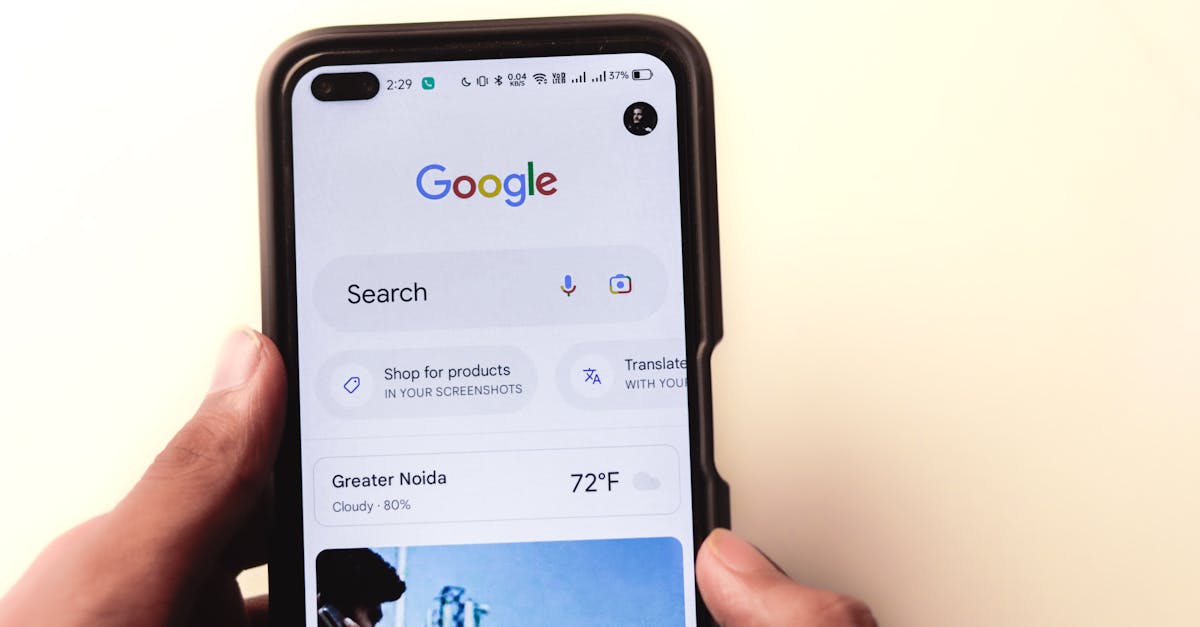
Résumé d’ouverture : la révolution silencieuse de la traduction web
À l’heure où la globalisation numérique accélère à marche forcée, la traduction sur internet devient un enjeu stratégique pour les entreprises et les institutions. L’intelligence artificielle, grande gagnante de l’année 2025, transforme radicalement cette discipline longtemps dominée par les traducteurs humains. Avec des outils innovants, la traduction automatique n’est plus simplement un assistant : elle devient un levier puissant pour démocratiser la communication multilingue.
Les solutions comme DeepL, Google Traduction, ou encore Systran, intégrées à des plateformes comme Weglot ou Translation.io, offrent désormais des résultats d’une finesse impressionnante. Elles permettent à n’importe qui, dans n’importe quel secteur, de faire parler son site web en plusieurs langues locales en quelques clics. Mais au-delà de la simple rapidité, ces technologies évoluées prennent en compte le contexte, le ton, et même la culture, pour proposer une traduction qui dépasse la simple surface linguistique.
Alors que certains craignent une disparition des traducteurs, il devient évident : l’IA agit comme un catalyseur, optimisant le processus et permettant à l’humain de se concentrer sur des tâches à plus forte valeur ajoutée. La traduction web connaît donc une mutation profonde, favorisée par une technologie qui s’adapte et évolue rapidement. Une étape essentielle pour bâtir un web réellement accessible à tous, sans frontières linguistiques.


{{TITLE}} : comment l’intelligence artificielle redéfinit la traduction sur internet
Depuis ses premières tentatives dans les années 1950, la traduction automatique a connu une évolution spectaculaire. L’arrivée de l’IA générative, incarnée par ChatGPT, marque un tournant décisif dans la manière dont cette technologie s’intègre dans nos usages quotidiens. L’objectif ? Aller au-delà de la simple substitution de mots, en captant le contexte, les nuances, et même les intentions derrière chaque phrase.
En 2025, plus de 70 % des sites web d’entreprise utilisent au moins une forme de traduction automatique intégrée à leur plateforme, selon un rapport récent. Elles ne se contentent pas d’identifier des erreurs ou de faire du mot à mot : elles analysent le contenu, puis proposent une version fluide et pertinente adaptée à chaque audience. Par exemple, Microsoft Translator, déjà très affiné, collabore désormais avec des moteurs tels que DeepL ou Babylon pour assurer une cohérence optimale à travers différentes plateformes.
Ce niveau de détail, autrefois réservé aux traducteurs professionnels, est désormais accessible en quelques secondes grâce à une sophistication algorithmique qui ne cesse de s’affiner. L’un des grands défis réside dans la capacité à préserver le ton, le style, et parfois même le sentiment véhiculé — une compétence que l’IA approche de plus en plus, notamment avec l’aide de modèles comme Linguee ou Reverso intégrant l’apprentissage profond.
Les avancées technologiques qui accélèrent la traduction web
Voici quelques innovations majeures qui ont marqué cette transformation :
- 💡 Optimisation du contexte : Les systèmes modernes intègrent des analyses sémantiques pour comprendre la signification réelle des phrases.
- 🌐 Prise en compte des dialectes et régionalismes : La capacité à adapter la traduction à des variantes culturelles locales s’améliore chaque année.
- ⚙️ Intégration de l’IA dans des plateformes comme Weglot : Elles automatisent tout le processus, tout en permettant une intervention humaine pour peaufiner le résultat.
- 🤖 Amélioration continue par l’apprentissage automatique : Les modèles s’entraînent à partir de millions de données pour affiner sans cesse leurs propositions.
- 🌟 Reconnaissance contextuelle avancée : La différenciation entre le langage formel et familier permet des adaptations précises dans le contenu.
| Technologies | Description | Exemples d’outils |
|---|---|---|
| DeepL | Réputation pour sa précision en traduction automatique, notamment grâce à ses réseaux neuronaux profonds. | En savoir plus |
| Google Traduction | Le plus utilisé, avec une large couverture linguistique et une intégration facile dans de nombreux services Google. | Explication détaillée |
| Systran | Présent depuis des décennies, il se spécialise dans la traduction pour l’industrie et le secteur gouvernemental. | Plus d’infos |
| Reverso | Combine traduction automatique et phonétique pour une compréhension améliorée du contexte linguistique. | Voyez comment |
Vous avez un projet spécifique ?
Kevin Grillot accompagne entrepreneurs et PME en SEO, webmarketing et stratégie digitale. Bénéficiez d'un audit ou d'un accompagnement sur-mesure.
Les outils innovants de traduction alimentés par l’IA : vers une accessibilité universelle
En intégrant des solutions combinant automatique et intervention humaine, des plateformes telles que Weglot ouvrent la voie à une traduction web instantanée et très précise. Leurs fonctionnent en extractant le contenu, en le traduisant à l’aide de moteurs comme DeepL, puis en proposant une édition facilitée par des assistants IA comme ChatGPT.
Cette approche hybride répond à plusieurs enjeux majeurs : garantir la cohérence terminologique, respecter le ton et l’image de marque, tout en réduisant drastiquement le coût et le délai de mise en ligne d’un site multilingue. Par exemple, un site marchand qui se lance à l’international peut, en quelques heures, proposer une interface traduite et localisée, augmentant ainsi ses chances de conversion.
Les grandes entreprises n’hésitent plus à investir dans ces nouvelles technologies. Selon une étude récente, 65 % des PME françaises envisagent d’intégrer l’IA pour leur stratégie de communication web dans les deux prochaines années.


Intégration de l’IA dans la traduction web : un changement de paradigme pour la gestion multilingue
Fini le temps où seul un traducteur professionnel pouvait garantir la qualité d’un contenu multilingue. Désormais, l’intégration de l’IA révolutionne la gestion, la mise à jour et l’optimisation des contenus. Plateformes comme Weglot exploitent cette avancée en proposant des fonctionnalités de suggestion basées sur ChatGPT, permettant à l’utilisateur de choisir ou de personnaliser les traductions proposées.
Ce sont aussi ces outils qui facilitent la mise en place de stratégies de référencement multilingue efficaces. En utilisant l’IA pour générer et ajuster automatiquement les titres, descriptions, et contenus, les entreprises peuvent mieux apparaître dans les résultats locaux, tout en évitant le contenu dupliqué ou mal localisé.
Alors que certains craignent une perte d’emplois dans la traduction, la réalité est toute autre : l’IA libère la créativité et la dimension stratégique chez les professionnels. Une étude de 2024 montre que 82 % des traducteurs travaillent désormais en partenariat avec des intelligences artificielles pour optimiser leurs résultats, plutôt que de s’y substituer complètement.

Les défis et limites de l’IA dans la traduction sur le web
Malgré tous ses progrès, l’IA ne résout pas encore tous ses défis. La compréhension contextuelle reste une difficulté majeure, surtout pour les contenus très spécialisés ou qui demandent une sensibilité culturelle fine. Par exemple, un idiome ou une référence locale peut échapper à la traduction automatique, conduisant à des malentendus ou à des formulations maladroites.
Les risques liés à une traduction mécanique sans intervention humaine sont nombreux : incohérences, perte de la nuance, ou encore mécompréhensions culturelles qui peuvent dégrader l’image d’une marque. Par conséquent, la tendance n’est pas à la suppression du traducteur, mais à une collaboration renforcée entre humain et machine. Plus d’explications ici.
Enfin, la question de la confidentialité et de la sécurité des données traduit aussi une vigilance accrue. La plupart des outils d’IA utilisent des textes soumis à des algorithmes d’apprentissage automatique, soulevant ainsi des questions éthiques, particulièrement dans des secteurs sensibles comme la santé ou la finance.
| Principaux défis | Conséquences possibles | Solutions potentielles |
|---|---|---|
| Compréhension contextuelle limitée | Incohérence, erreurs culturelles | Supervision humaine, entraînement spécifique |
| Métriques de qualité insuffisantes | Perte d’image, malentendus | Vérification manuelle, feedback continu |
| Risques de sécurité | Fuites de données sensibles | Cryptage, gestion stricte des données |
Vous avez un projet spécifique ?
Kevin Grillot accompagne entrepreneurs et PME en SEO, webmarketing et stratégie digitale. Bénéficiez d'un audit ou d'un accompagnement sur-mesure.
Perspectives futures : un web polyglotte à portée de clics ?
Dans cette course à la traduction instantanée, l’avenir semble promis à une intégration toujours plus fine de l’IA. Imaginez un web où la barrière linguistique n’est plus qu’un mauvais souvenir, grâce à des outils capables d’adapter automatiquement le contenu aux particularités culturelles de chaque utilisateur. La multiplication et la diversification des modèles de traduction, comme ceux inspirés par Papago ou Babylon, étayent cette vision optimiste.
Plus encore, la création de modèles personnalisés pour chaque entreprise, entraînés sur leur propre contenu, pourrait conduire à des résultats étonnants. Par exemple, une plateforme e-commerce pourra générer ses descriptions produits dans plusieurs langues, en respectant la tonalité spécifique de sa clientèle cible, sans intervention humaine.
Ce mouvement pourrait aussi stimuler la croissance de solutions innovantes dans la localisation, la SEO multilingue, et même la traduction instantanée dans les applications mobiles ou la réalité augmentée. Une chose est certaine : en 2025, le web multilingue sera plus démocratique et accessible que jamais, favorisant une véritable ouverture mondiale.

Foire aux questions (FAQ)
Comment l’IA améliore-t-elle la qualité des traductions sur le web ?
Grâce à l’apprentissage profond, aux réseaux neuronaux et à l’analyse contextuelle, l’IA capte mieux la nuance, le ton et les idiomes, produisant des résultats de plus en plus précis et naturels.
Les outils comme DeepL ou Google Traduction peuvent-ils remplacer totalement les traducteurs humains ?
Pas encore. Si ces outils sont très performants pour des tâches standards, la sensibilité culturelle, la créativité, ou la gestion de contenus sensibles nécessitent encore une intervention humaine. La collaboration homme-machine reste la voie la plus efficace.
Quels sont les enjeux éthiques liés à l’utilisation de l’IA dans la traduction ?
Les préoccupations majeures concernent la confidentialité des données, la propriété intellectuelle, et la fidélité à la culture locale. La transparence et la régulation doivent accompagner ces évolutions technologiques.
Source: siecledigital.fr
📋 Checklist SEO gratuite — 50 points à vérifier
Téléchargez ma checklist SEO complète : technique, contenu, netlinking. Le même outil que j'utilise pour mes clients.
Télécharger la checklistBesoin de visibilité pour votre activité ?
Je suis Kevin Grillot, consultant SEO freelance certifié. J'accompagne les TPE et PME en référencement naturel, Google Ads, Meta Ads et création de site internet.

Checklist SEO Local gratuite — 15 points à vérifier
Téléchargez notre checklist et vérifiez si votre site est optimisé pour Google.
- 15 points essentiels pour le SEO local
- Format actionnable et imprimable
- Utilisé par +200 entrepreneurs


