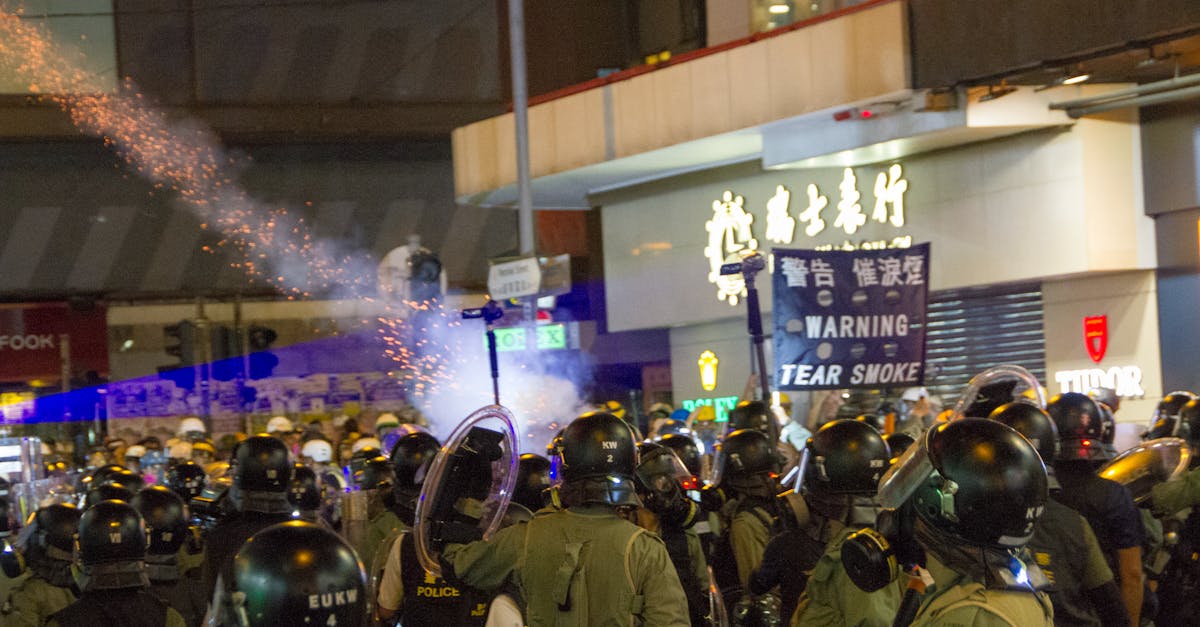
A Radical Shift in Digital Communication: The End of Political Advertising on Facebook and Instagram as of October 2025
In the heart of Europe, as 2025 is set to be a year of major regulatory changes, iconic social networks like Facebook and Instagram are announcing a decision that will shake up the world of digital scraping/la-polyvalence-du-scraping-un-outil-mille-possibilites/">marketing: the elimination of political advertising. After years of controversy, debates over transparency, and regulatory pressure, this step marks a major turning point. The digital giants are putting an end to an era where manipulation and precise targeting seemed limitless, giving way to a new, more ethical and controlled era. This change comes at a time when social media regulation is becoming increasingly strict, particularly in Europe, but also globally.
The issue is not just technical or regulatory. It reflects a deep desire to empower users, strengthen the fight against disinformation, and promote more honest communication. The issues go far beyond numbers or scraping/la-polyvalence-du-scraping-un-outil-mille-possibilites/">marketing strategies: they touch on democracy, censorship, and the platforms’ ability to establish greater transparency. Let’s decipher together the forces driving this revolution, the purpose behind this disruption, and its implications for the future of political communication on social media.
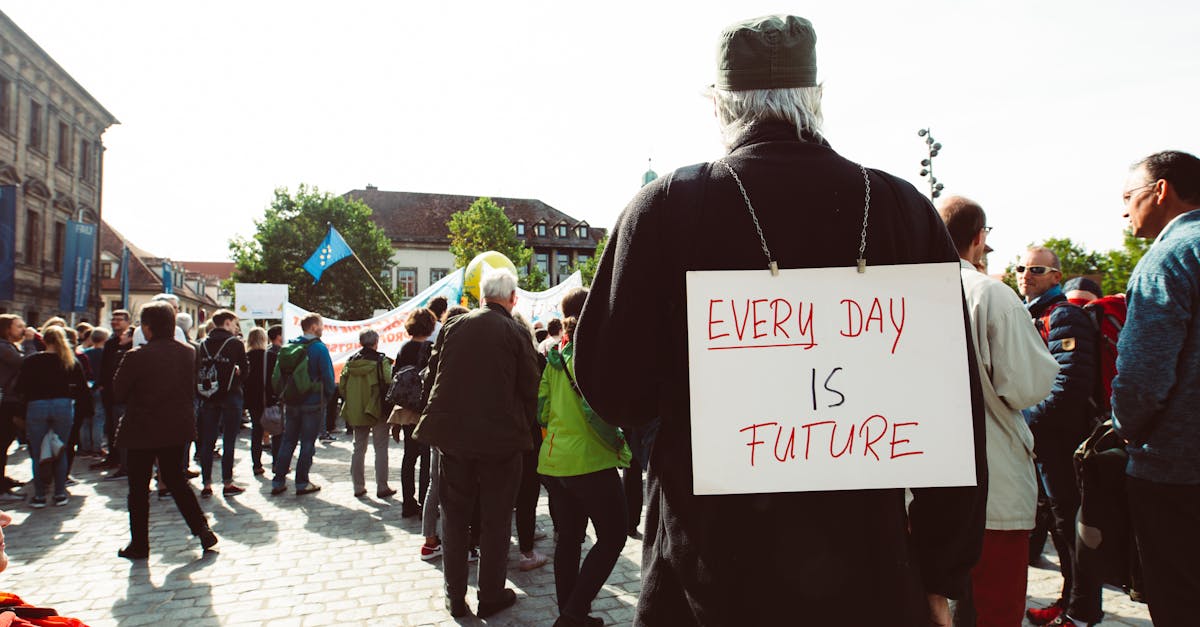

The regulatory and ethical contexts shaping the disappearance of political advertising.
Conquering new digital markets also means facing a rapidly evolving legal framework. In 2025, European regulations on advertising transparency, particularly in political matters, were tightened. The European Parliament now imposes a strict reporting requirement on the origin, financing, and exact targeting of election campaigns. This regulation, known as the “Election Advertising Transparency Regulation,” aims to limit voter manipulation by preventing malicious microtargeting or the spread of hate speech.
The laws are not limited to Europe. In the United States, the Federal Trade Commission (FTC) is also intensifying its oversight of online political advertising. This global regulatory trend is not insignificant; it reflects a political desire to more closely control the insidious communication of election campaigns on social media.
The figures speak for themselves: more than 70% of European citizens now say they distrust the political messages they see on Facebook or Instagram. Transparency is becoming not only a legal requirement, but also a social demand. The public wants to know the origin of these messages, their cost, and their purpose. Added to this regulatory environment is an ethical dimension: involuntary censorship or the need to preserve the integrity of democratic processes are forcing these giants to rethink their approach.
- 🔍 Strengthening advertising transparency laws
- ⚖️ Increased constraints on political targeting
- 🔒 Growing obsession with personal data protection
- 🙃 High risk of financial and reputational penalties
A new dynamic in the face of rising criticism
Smear campaigns and disinformation fuel deep doubts about political communication on social media. Facebook and Instagram, which have long enabled targeted and effective communication, are now constrained by draconian rules. Fears of abusive use of targeting, particularly to manipulate public opinion or exert pressure, are pushing these platforms to adopt a more cautious stance. Intentional or involuntary censorship is becoming a major issue, and transparency must be the rule in this new era.

The Challenges of Combating Disinformation: A Curb on Political Advertising?
Another motivation for this removal is the need to limit the spread of fake news. In 2025, disinformation circulates faster than ever thanks to the algorithmic power of Facebook and Instagram. However, these platforms have often been accused of using their algorithms to promote polarizing or misleading content for political or economic purposes. European regulators now insist that political advertising must not only be targeted: it must also be verifiable and accountable. This means that every message must be auditable and controlled, and, above all, that advertisers must be verified and identified. In a context where trust is at a low ebb, this requirement has become vital to prevent the erosion of democracy.
Criteria
| Regulatory Requirements | Impacts for Facebook & Instagram | 🌐 Transparency |
|---|---|---|
| Obligation to clearly identify advertisers | Phasing out political targeting options | 🔧 Accountability |
| Systematic auditing of campaigns | Strengthened control over ad content | 🤝 Engagement |
| Display of legal and financial information | Strengthening Public Trust | Increased Vigilance Against the Risks of Manipulation and Abuse |
Beyond regulations, civil society and various NGOs are increasing their warnings. The ability of political advertising to influence millions of voters is a cause for concern, especially when these messages are targeted in an opaque manner. The required transparency has become essential to prevent social media from becoming fertile ground for mass manipulation campaigns, or even foreign interference.
Discover the impact of political advertising in the modern media landscape. Analyze the strategies, challenges, and results of advertising campaigns that influence public opinion and electoral decisions.
Vous avez un projet spécifique ?
Kevin Grillot accompagne entrepreneurs et PME en SEO, webmarketing et stratégie digitale. Bénéficiez d'un audit ou d'un accompagnement sur-mesure.
Faced with this wave of change, political parties, candidates, and digital marketing stakeholders must review their strategies. Communication, once based on precise targeting and massive investment in paid advertising, will be replaced by more ethical, more participatory, and, above all, more transparent methods. The end of paid political ads on Facebook and Instagram requires us to rethink the entire process, from message creation to dissemination, including interaction with the electorate.
Alternative options are multiplying:
🎯 Implementing communication campaigns based on organic content and authentic engagement
- 🤝 Developing direct dialogue with voters through events, forums, or digital meetings
- 📚 Leveraging new media, such as TikTok or YouTube, to fill the void left by the end of targeted advertising
- 🛡️ Emphasizing total transparency in funding and strategies
- A necessary transformation, but one that will be beneficial in the long term
The end of paid political advertising is part of a new digital governance approach. It encourages more responsible communication, giving way to long-term engagement rather than rapid manipulation. Funding transparency, message verification, and more ethical digital marketing are becoming pillars. For platforms, this also means a need for technological adaptation to better secure campaigns and prevent abuse.
FAQ: Everything you need to know about the removal of political advertising in 2025

Why are Facebook and Instagram stopping political advertising?
- The decision is part of a context of increased regulation, demands for transparency, and the fight against disinformation. What impact will it have on election campaigns?
- Political actors will have to prioritize strategies based on organic content, direct dialogue, and transparency. Are other social networks following this approach?
- Yes, TikTok and Twitter are already adopting similar policies, reinforcing a global trend toward more responsible communication. What are the alternatives for political communication? In addition to organic content, public participation and financial transparency are essential.
- This upheaval heralds a new era in which political communication on social media will have to adapt to preserve democracy while complying with regulations. The end of paid advertising does not signal the end of the strategy, but rather its shift to a more ethical, transparent, and engaged dimension. Source:
www.presse-citron.net
📋 Checklist SEO gratuite — 50 points à vérifier
Téléchargez ma checklist SEO complète : technique, contenu, netlinking. Le même outil que j'utilise pour mes clients.
Télécharger la checklistBesoin de visibilité pour votre activité ?
Je suis Kevin Grillot, consultant SEO freelance certifié. J'accompagne les TPE et PME en référencement naturel, Google Ads, Meta Ads et création de site internet.

Checklist SEO Local gratuite — 15 points à vérifier
Téléchargez notre checklist et vérifiez si votre site est optimisé pour Google.
- 15 points essentiels pour le SEO local
- Format actionnable et imprimable
- Utilisé par +200 entrepreneurs