
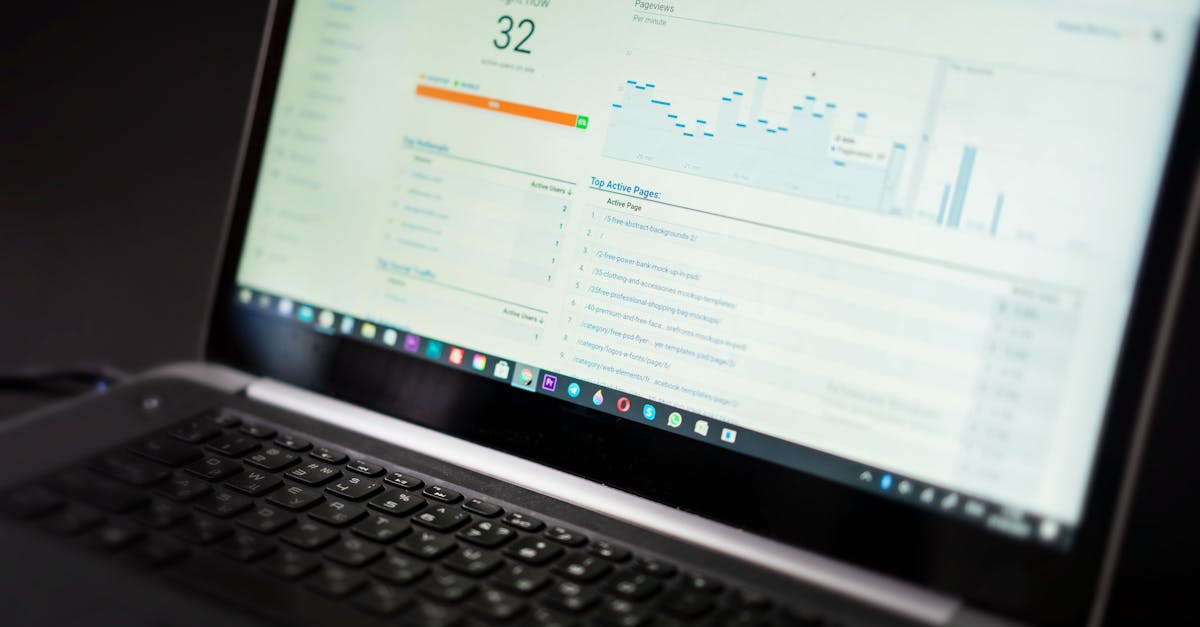
Le référencement naturel en 2025 ne ressemble plus à ce qu’il était il y a seulement cinq ans. La mise en œuvre des nouvelles tendances SEO repose désormais sur des technologies avancées comme l’apprentissage automatique, l’intégration d’API d’indexation et l’impact croissant de la saturation du web. Ces évolutions transforment radicalement la façon dont Google, Bing et autres moteurs de recherche analysent, indexent et classent les contenus. La course pour rester visible dans cet environnement en constante mutation exige une compréhension fine de ces changements. Les spécialistes du SEO doivent désormais jongler avec des outils performants tels que Moz, SEMrush ou Ahrefs pour ajuster leurs stratégies, tout en anticipant les innovations à venir, comme le crawl adaptatif ou la dominance de l’IA dans la recherche. En 2025, il ne s’agit plus uniquement d’optimiser des mots-clés, mais d’interpréter de manière intelligente les signaux faibles laissés par ces nouvelles technologies. Le défi est immense, mais il ouvre aussi la voie à des opportunités inédites pour ceux qui sauront naviguer habilement dans ce nouveau paysage numérique.
Comment l’apprentissage automatique redéfinit le SEO en 2025
Depuis plusieurs années, l’apprentissage automatique occupe une place centrale dans le royaume du SEO. En 2025, cette technologie ne se contente plus d’aider à analyser les données, elle influence directement la façon dont Google et Bing évaluent la qualité d’un contenu. Grâce à des algorithmes sophistiqués, les moteurs de recherche apprennent en continu à mieux comprendre l’intention utilisateur, la tonalité d’un texte ou encore la pertinence contextuelle. Par exemple, des outils comme SEMrush ou BrightEdge intègrent désormais l’IA pour prévoir l’impact de certains mots-clés ou tendances émergentes. La capacité d’un site à s’adapter rapidement à ces évolutions devient un avantage concurrentiel majeur. La personnalisation de la recherche et le SEO conversationnel prennent également de l’ampleur, à l’image de Yoast qui intègre des fonctionnalités d’optimisation basées sur l’IA. Pourtant, cette avancée soulève aussi des problématiques, notamment en matière de fiabilité des données et de risque de sur-optimisation. En définitive, maîtriser l’apprentissage automatique est devenu indispensable pour se démarquer dans un écosystème où la machine joue un rôle clé.
| Aspect clé | Impact sur le SEO | Exemple pratique |
|---|---|---|
| Analyse sémantique avancée | Meilleure compréhension des intentions | Google utilise BERT pour interpréter les requêtes longues |
| Prédiction d’évolution | Anticipation des tendances SEO | Outils comme SE Ranking prévoient les mot-clés émergents |
| Personnalisation des résultats | Adapte la recherche selon le profil utilisateur | Recherches locales intégrant l’historique |

L’intégration des API d’indexation : une révolution silencieuse
Les API d’indexation deviennent les nouveaux outils de gestion pour les spécialistes du SEO en 2025. Google a récemment renforcé cette technologie, permettant à certains flux, comme les offres d’emploi ou les contenus en direct, d’être rapidement intégrés dans l’index. Cependant, cette évolution ne se limite pas à une simple accélération de l’indexation. Les API offrent la possibilité de contrôler précisément quelles pages doivent être scannées, quand, et comment. Mais attention, cette puissance peut aussi être détournée à des fins indésirables. Des spammeurs s’appuient déjà sur ces API pour injecter du contenu non conforme ou pour manipuler la visibilité de certains sites. Google, à travers ses déclarations officielles, met en garde : leur API d’indexation doit principalement servir à des contenus à forte valeur ajoutée, comme les offres en temps réel ou les flux dynamiques.
| Avantage principal | Risques potentiels | Recommandations |
|---|---|---|
| Rapidité d’indexation | Manipulation abusive possible | Limiter l’usage aux contenus légitimes |
| Contrôle précis | Corruption ou sur-optimisation | Utiliser avec modération pour garantir la qualité |
| Flexibilité | Injection de contenu non conforme | Surveiller régulièrement l’impact |

La saturation du web : un défi technique et stratégique
Alors que le volume de contenu publié en ligne explose, surtout avec l’essor des agents IA tels que ChatGPT, Bing Chat ou d’autres bots, la saturation du web devient un enjeu critique pour le SEO. En 2025, cette manne d’informations crée une compétition féroce pour la visibilité. Pourtant, ce n’est pas seulement une question de quantité ; c’est aussi une histoire d’efficience dans le crawl et le traitement des données par Google et Bing. Gary Illyes, un des experts de Google, met en garde : le vrai défi n’est plus tant dans la capacité d’exploration, mais dans la gestion du volume de données à ingérer, traiter et stocker. Les ressources nécessaires grimpent en flèche, ce qui oblige à repenser la stratégie d’hébergement et d’optimisation technique. Réduire la latence, utiliser des techniques de cache avancées ou revoir le fichier robots.txt devient une nécessité pour ne pas se faire écraser par cette avalanche de contenus générés par l’IA.
| Facteur aggravant | Conséquences pour le SEO | Solutions possibles |
|---|---|---|
| Saturation du contenu automatisé | Dilution de la qualité et difficulté de classement | Renforcer l’exigence éditoriale et la sémantique |
| Explosion de bots IA | Surcharge des serveur et du crawl | Optimiser le fichier robots.txt et le cache |
| Volume de données à traiter | Augmentation des coûts de traitement | Utiliser des outils modernes comme Screaming Frog |
Vous avez un projet spécifique ?
Kevin Grillot accompagne entrepreneurs et PME en SEO, webmarketing et stratégie digitale. Bénéficiez d'un audit ou d'un accompagnement sur-mesure.
Les techniques avancées de crawling en 2025 : un nouveau standard
Malgré une évolution limitée dans les principes, le crawling a connu une révolution technique. La migration vers HTTP/2, puis HTTP/3, a permis d’établir des connexions plus rapides et plus efficaces. Ces protocoles réduisent la latence et améliorent la capacité d’explorer plus de pages en moins de temps. Googlebot, le crawler phare de Google, a également adopté des stratégies plus respectueuses du robots.txt, tout en étant capable d’adopter un comportement plus agressif envers les scanners malveillants. La gestion des crawleurs respectueux ou non devient un enjeu majeur pour exploiter au mieux le potentiel du crawl moderne. La question de l’avenir porte aussi sur les ressources, car le traitement de toutes ces données liées aux nouveaux protocoles nécessite des infrastructures performantes. En utilisant des outils comme Majestic ou HubSpot, les spécialistes peuvent suivre l’efficacité de leur stratégie de crawling et ajuster si besoin pour maintenir leur site en haut des résultats.
| Evolution technique | Avantages | Limites |
|---|---|---|
| Passage à HTTP/2 et HTTP/3 | Exploration plus rapide et efficace | Nécessite une infrastructure à jour |
| Reconnaissance des robots malveillants | Protection accrue du site | Exige une configuration fine des règles |
| Respect du robots.txt | Optimisation du crawl | Seulement si bien utilisé |

Questions fréquentes sur les nouvelles tendances SEO en 2025
- Comment l’apprentissage automatique influence-t-il la stratégie SEO ? Il permet une meilleure compréhension des intentions, la personnalisation et la prédiction des tendances, rendant l’optimisation plus précise et proactive.
- Les API d’indexation peuvent-elles être exploitées abusivement ? Oui, mais Google insiste sur leur utilisation principalement pour des contenus dynamiques ou à forte valeur, et met en garde contre le spam.
- Le crawl peut-il devenir une surcharge pour les propriétaires de sites ? Absolument. Avec l’augmentation des agents IA, il faut optimiser l’hébergement et surveiller régulièrement l’impact pour éviter la saturation.
- Quels outils privilégier pour suivre ces évolutions ? Moz, SEMrush, Ahrefs, Screaming Frog, Google Search Console, ou encore HubSpot offrent des fonctionnalités essentielles pour ajuster sa stratégie.
- Comment anticiper la saturation du web ? En améliorant l’infrastructure, en contrôlant le rythme de publication et en utilisant des outils de veille pour saisir rapidement les nouvelles tendances.
📋 Checklist SEO gratuite — 50 points à vérifier
Téléchargez ma checklist SEO complète : technique, contenu, netlinking. Le même outil que j'utilise pour mes clients.
Télécharger la checklistBesoin de visibilité pour votre activité ?
Je suis Kevin Grillot, consultant SEO freelance certifié. J'accompagne les TPE et PME en référencement naturel, Google Ads, Meta Ads et création de site internet.

Checklist SEO Local gratuite — 15 points à vérifier
Téléchargez notre checklist et vérifiez si votre site est optimisé pour Google.
- 15 points essentiels pour le SEO local
- Format actionnable et imprimable
- Utilisé par +200 entrepreneurs


